


Victorian Horn Vases
Victorian horn vases combine natural horn with brass mounts to bring tactile texture and distinctive nineteenth-century character to any interior scheme.
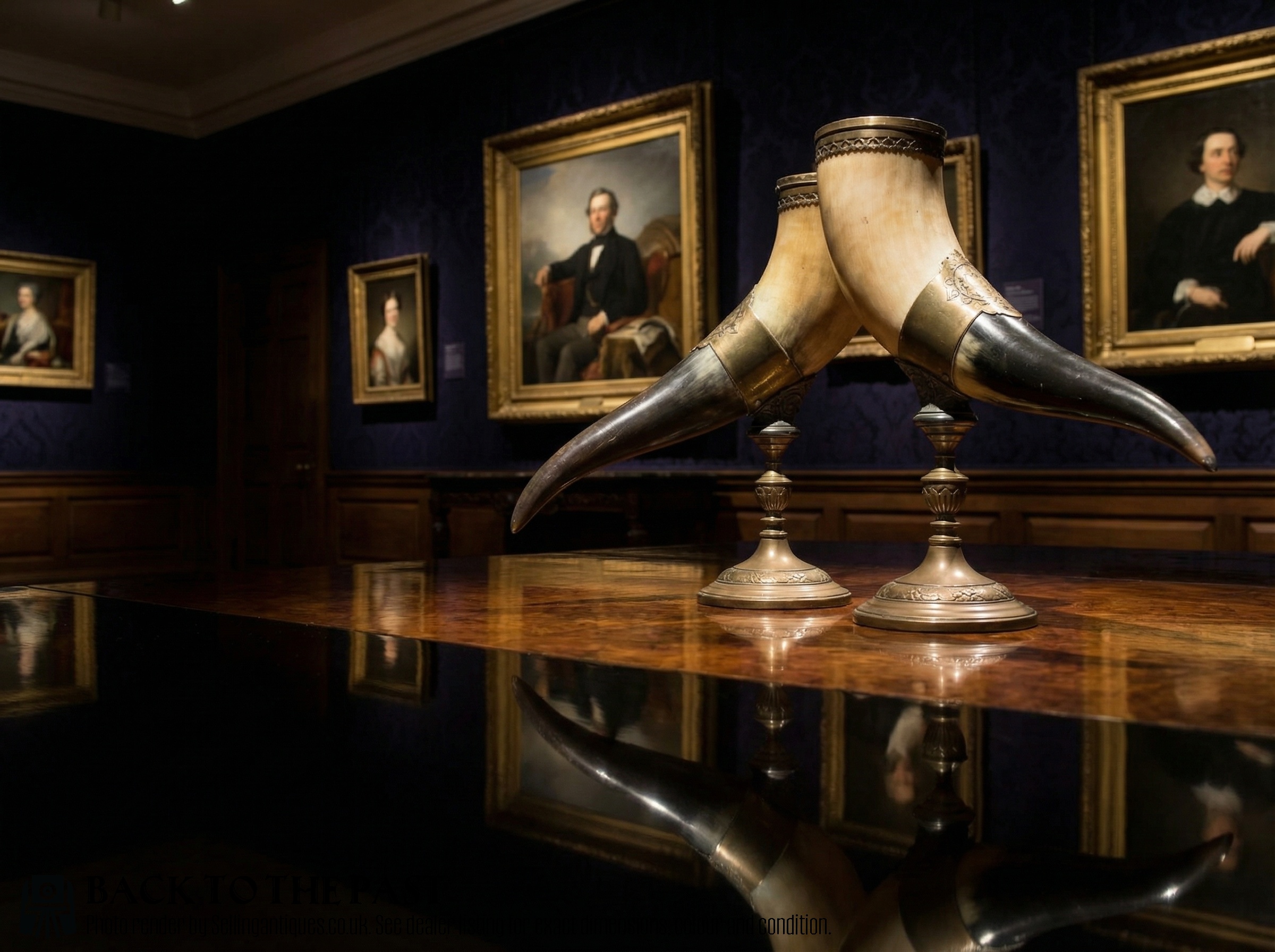
Victorian Horn Vases
When you search for victorian horn vases, you are looking at nineteenth-century decorative pieces formed from natural animal horn paired with metal or glass elements. The listings on this page span the Victorian period and around nineteen hundred, capturing both horn and related table centrepieces.
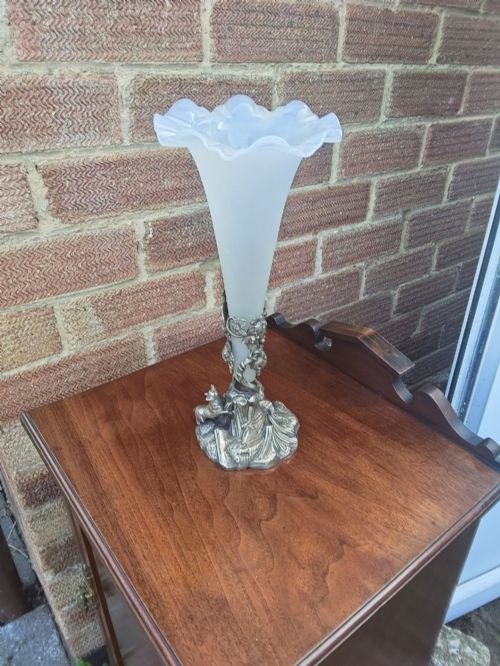
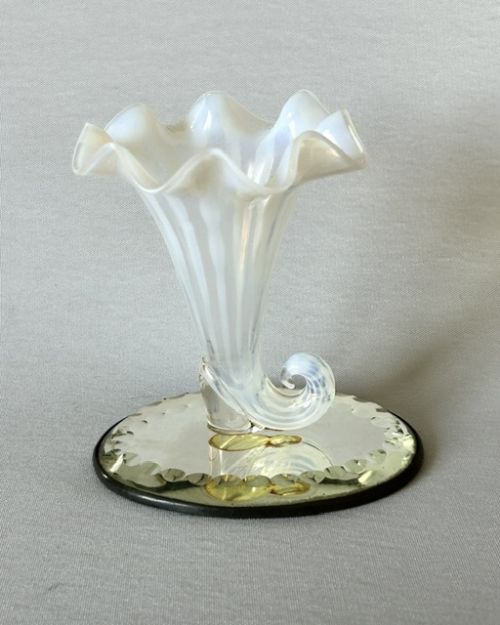
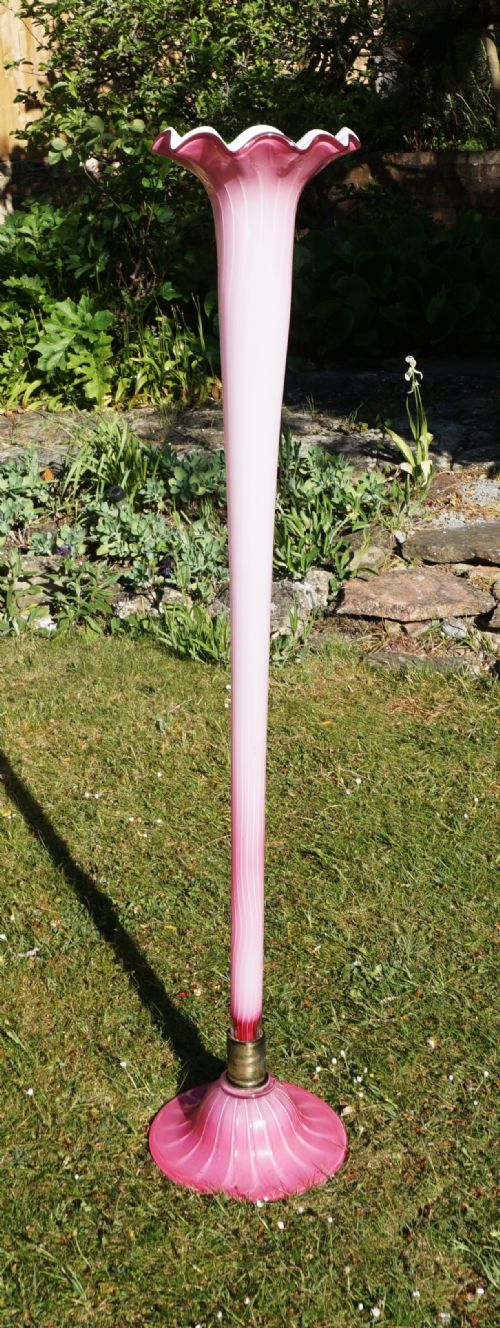
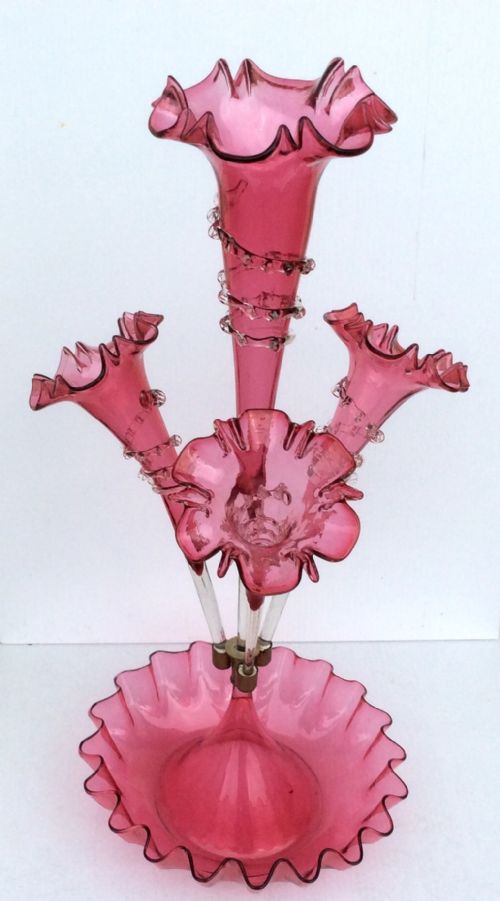
The most direct examples are brass-mounted horns from the eighteen-nineties, alongside related glassware like cranberry glass trumpet vases, vaseline glass cornucopia vases, and pink cased glass lily vases. These objects served as decorative centrepieces for nineteenth-century tables and mantels.
Object types on this page extend across standard vases, posy vases, decorative objects, and table centrepieces. The stylistic influences range from the broader Victorian aesthetic into early Art Nouveau design.
How they were made
Natural horn forms the foundational structure of these pieces, shaped and polished to highlight the organic grain and tonal variation of the material. This is combined with brass mountings that secure and elevate the horn base.
Some nineteenth-century glass vases contain uranium to achieve a vibrant yellow-green glow.
What varies in quality
Quality in these pieces rests upon the crispness of the brass mounts and the depth of colour in the glass components. Pieces with clean metal fittings and richly coloured cranberry or vaseline glass sit at the upper end of the range.
The natural horn itself shows variation in its polish, proportion, and mounting execution. Strong contrast between the dark organic material and the bright metalwork distinguishes the finer examples.
Ernst Wahliss Porcelain
The Victorian Horn Vases Glossary
- Cornucopia vase
- A horn-shaped vessel traditionally symbolising abundance and harvest. These pieces mimic the curved horn form in glass or natural material.
- Cranberry glass
- A rich red transparent glass coloured with gold chloride. It appears frequently in nineteenth-century tablewares.
- Vaseline glass
- A pale yellow-green glass that contains uranium dioxide and glows under ultraviolet light. It is often found in Victorian decorative objects.
- Epergne
- A large table centrepiece featuring a central trumpet vase surrounded by smaller hanging or attached vessels. They dominate grand nineteenth-century dining tables.
- Cased glass
- Glass made with two or more distinct layers of different colours. The outer layer is often cut or blown to reveal the contrasting colour beneath.
Victorian Horn Vases: Frequently Asked Questions
What are victorian horn vases made of?
These pieces combine natural animal horn with brass mountings to create stable decorative vessels.
Related glass items on this page utilise materials such as cranberry glass, vaseline glass, and opaque glass.
How were horn vases used?
Nineteenth-century households placed these horn and glass vessels on tables, sideboards, and mantels as decorative centrepieces.
Smaller versions functioned as posy vases to hold cut flowers for interior display.
How do I date a horn vase?
Dating relies on the manufacturing style, the specific metal mounts, and the integration of period glass types.
Items here span the Victorian era, the eighteen-eighties, the eighteen-nineties, and around nineteen hundred.
What styles do these pieces feature?
The designs reflect the broader Victorian aesthetic alongside early Art Nouveau influences seen in the organic curves of the glass and metalwork.
Forms range from simple horn horns to elaborate cased glass lily vases.