


Stag Head Wall Mount
These stag head wall mount examples bring the robust presence of the nineteenth and early twentieth centuries into a room.
Stag Head Wall Mount
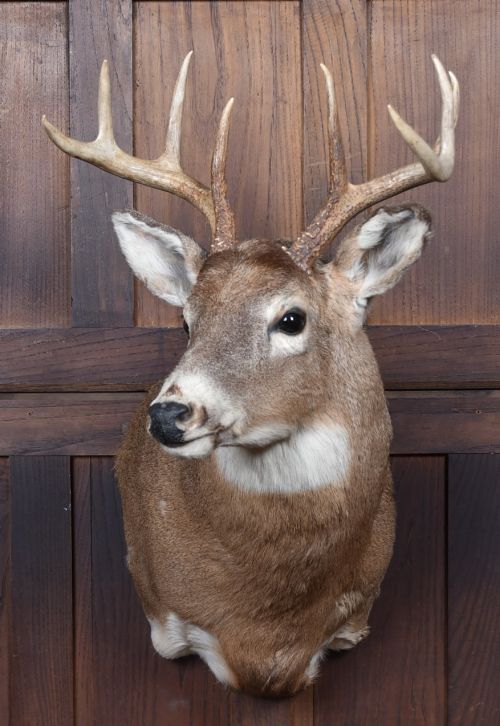
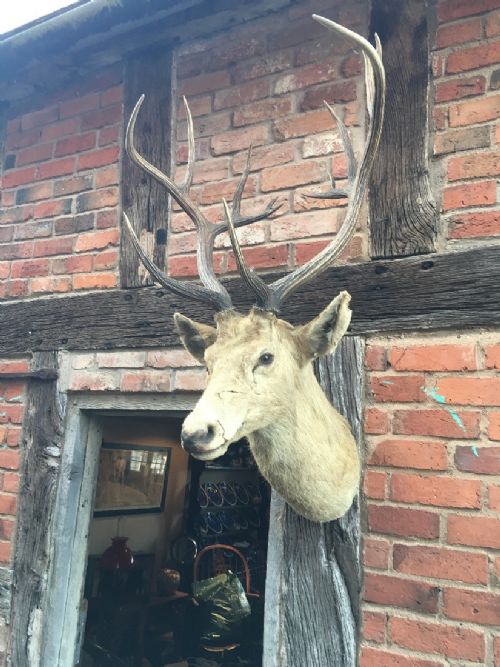
When you search for a stag head wall mount, you are looking at taxidermy specimens and carved wooden sculptures designed to hang on a wall as trophies. The selection ranges from nineteenth-century natural taxidermy mounts to folk art interpretations.
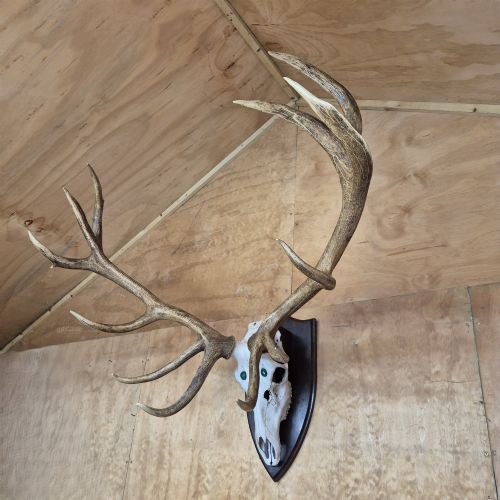
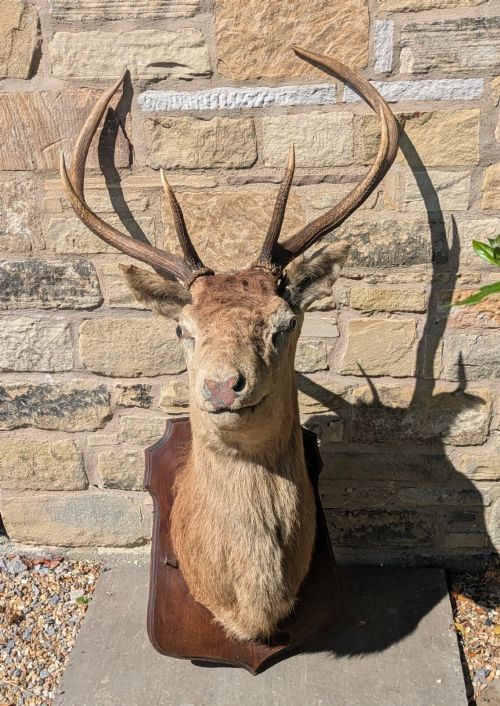
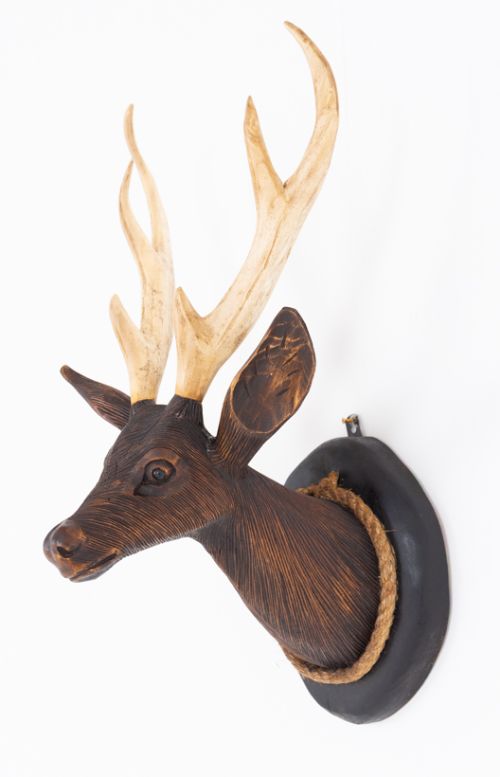
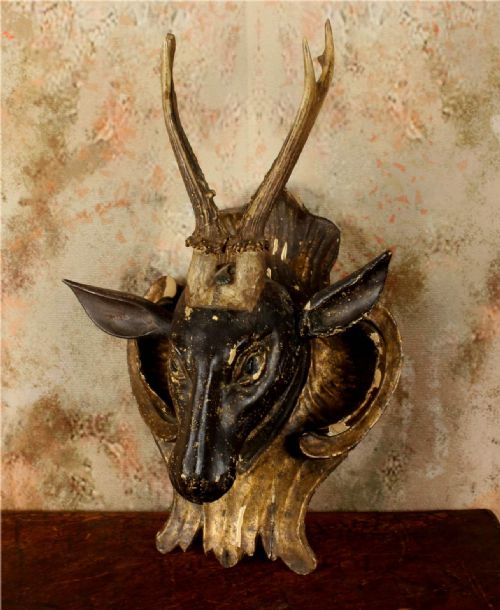
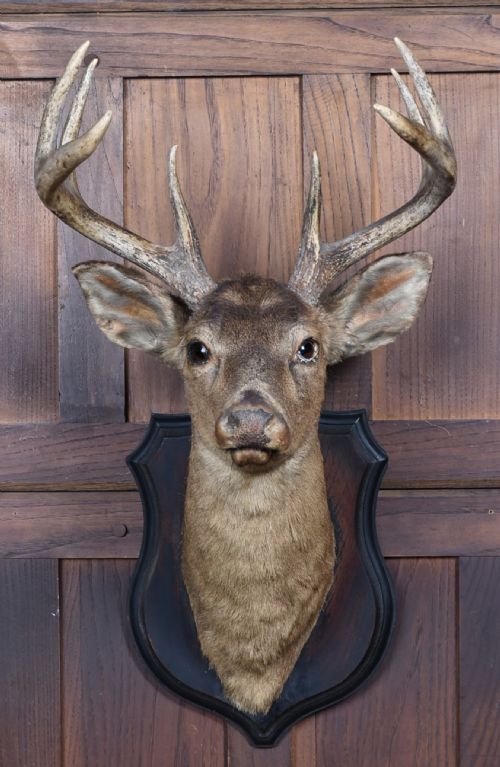
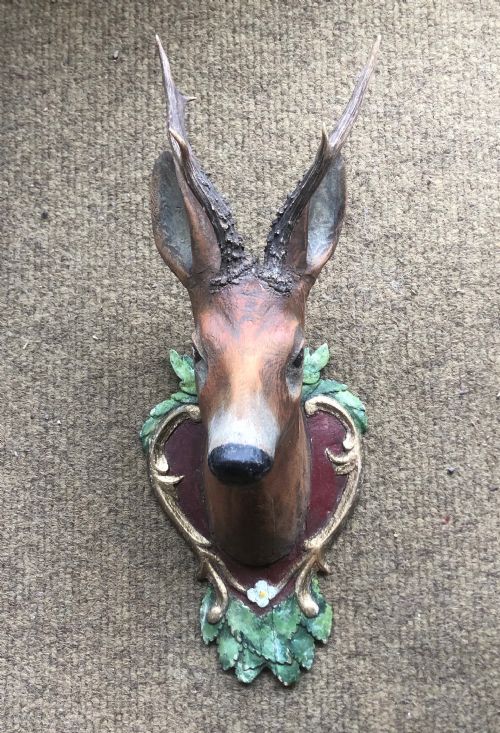
You are most likely to meet traditional taxidermy red deer and roebuck heads, alongside carved wooden deer heads in the Black Forest style. Many examples feature real antlers mounted on wooden shields.
The objects span periods from the early nineteenth century through to the Edwardian era and the 1930s. Origins include Highland traditional sporting lodges and Swedish folk art workshops.
How they were made
Taxidermy specimens utilise real animal antlers and bone, preserved and mounted upon wooden shields or backings. Oak is a frequent choice for the carved shields supporting these natural trophies.
Carved wooden versions are shaped from solid timber, employing hand carving techniques to render the deer head and antlers in wood rather than preserving biological material. Paint is occasionally applied to these carved pieces, as seen in folk art specimens.
Glass is utilised for the eyes in taxidermy mounts to achieve a lifelike appearance, paired with traditional taxidermy preparation methods for the hide and skull.
Listings feature periods spanning from 1800 to the 1930s, utilising materials including oak, bone, glass, paint, and carved wood.
What varies in quality
The standard of taxidermy work and anatomical proportion sets the upper tier apart from simpler pieces. Master taxidermists captured the alert expression and musculature of the living animal with precision.
Carved wooden pieces depend entirely on the hand of the carver, where depth of relief and naturalistic movement in the grain separate refined Black Forest work from simpler folk art objects.
The scale and symmetry of the antlers, such as point counts on red deer or white-tailed deer, influence the visual impact of the mount.
The Stag Head Wall Mount Glossary
- Taxidermy
- The art of preparing, stuffing, and mounting the skins of animals for display. This technique preserves the natural appearance of creatures such as stags and roebucks.
- Black Forest Style
- A nineteenth-century decorative carving tradition originating in central Europe. Pieces in this style typically feature deeply carved natural subjects like deer heads in dark wood.
- Folk Art
- Objects created by self-trained makers using traditional local techniques. These pieces often interpret natural forms like deer heads with individual character rather than strict academic accuracy.
- Shield
- The shaped wooden plaque upon which animal heads and antlers are traditionally mounted for hanging. Oak is frequently utilised for these supportive backings.
Stag Head Wall Mount: Frequently Asked Questions
What is a stag head wall mount?
A stag head wall mount is a taxidermy specimen or a carved wooden sculpture designed to be hung on an interior wall. These pieces function as traditional hunting trophies or decorative sculptural works.
They reflect sporting traditions from the nineteenth and early twentieth centuries, capturing the likeness of red deer, roebuck, and white-tailed deer.
How were they used historically?
Historically, these mounts were displayed in country houses, hunting lodges, and libraries to celebrate successful hunts and express an affinity with the natural world. They served as focal points in large rooms with high ceilings.
Over time, they transitioned from practical records of the hunt into decorative interior ornaments appreciated for their dramatic silhouette and craftsmanship.
How do I live with one?
Living with a wall mount involves placing it where the piece has sufficient wall space to command attention without feeling crowded. They pair well with traditional wood-panelled rooms as well as more eclectic modern interiors.
Keep them away from direct sunlight and excessive moisture to preserve the natural materials, whether taxidermy hide or carved wood.
How do I tell periods apart?
Differentiating periods relies on observing the mounting style, the treatment of the wooden shield, and the materials used. Nineteenth-century taxidermy often displays traditional shield shapes and naturalistic glass eyes.
Later pieces from the 1920s and 1930s show shifts in taxidermy technique and carving styles, while Edwardian examples often feature specific proportions common to that decade.