

Carved Oak Mount
A carved oak mount brings tangible weight and historic texture to a wall, offering functional hardware or sculptural display.
Carved Oak Mount
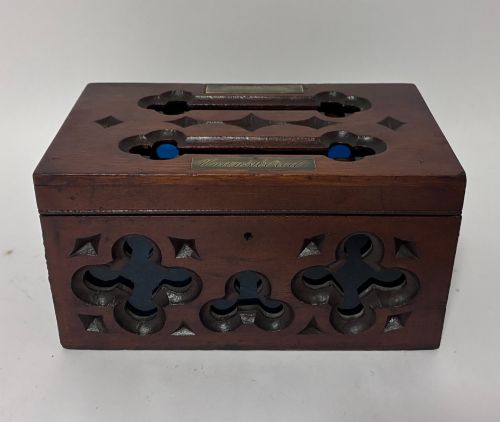
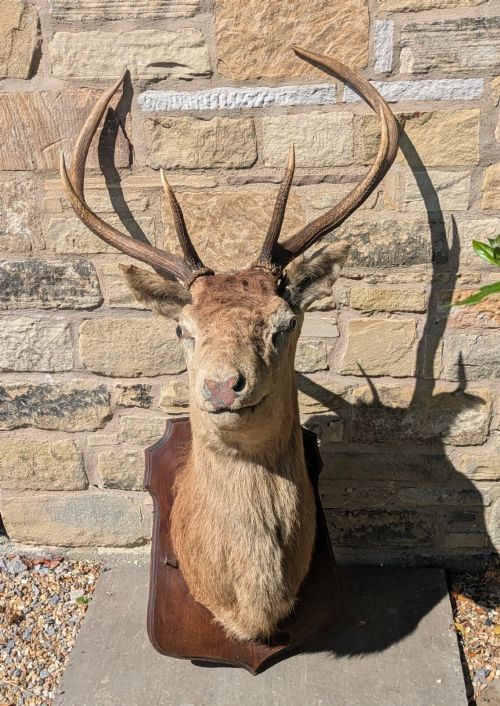
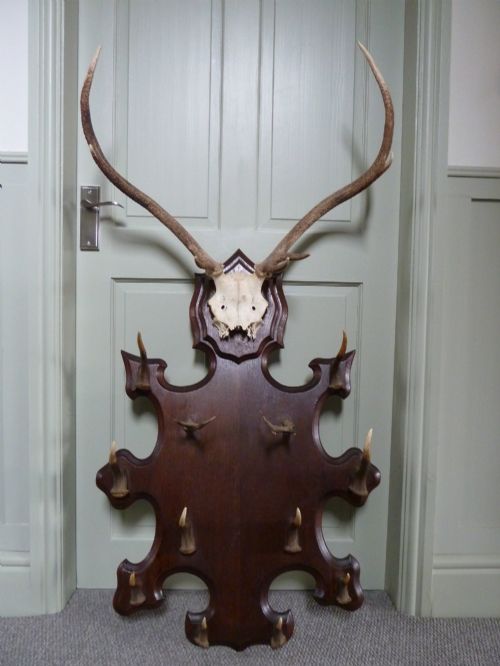
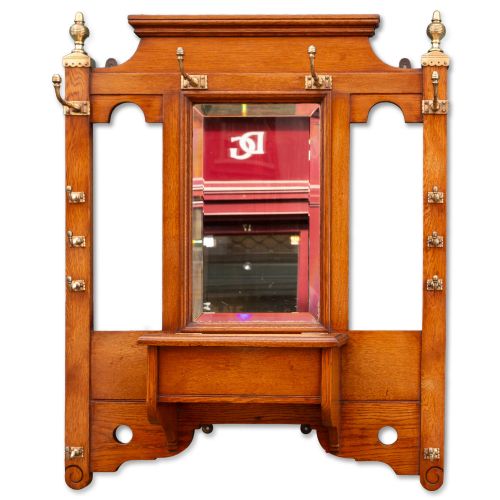
A carved oak mount typically functions as an architectural fragment, a display bracket, or a robust fixture for domestic items like coats, hats, and trophies. These pieces bridge structural utility and decorative carving, reflecting periods from the seventeenth century through to the Edwardian era. Buyers encounter everything from sculptural wall panels and shield backings for taxidermy to functional hall stands and coat racks.
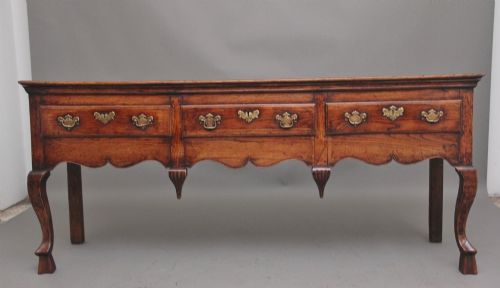
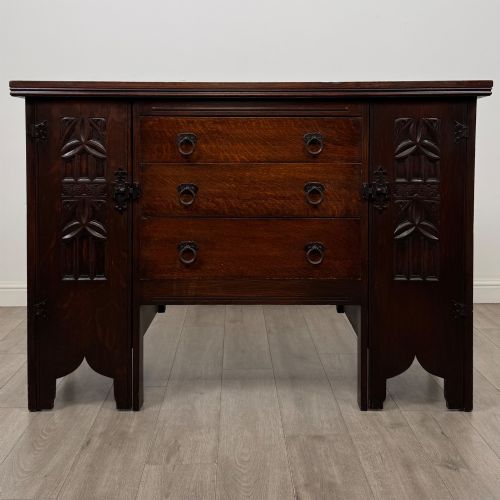
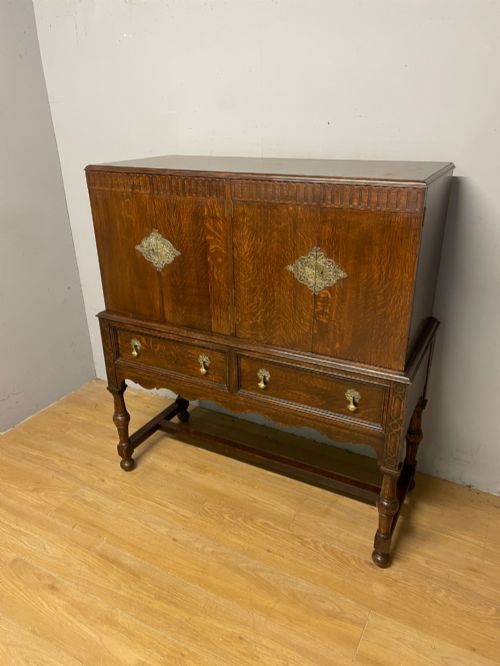
The versions most common on this page date from the Victorian and Edwardian periods, alongside eighteenth-century elements repurposed from larger furniture. They appear as standalone wall mounts, carved armorials, or structural supports integrated into oak furniture and architectural joinery. Their forms range from simple bracket supports to elaborate figural carvings bearing dolphins, birds, or caryatids.
How they were made
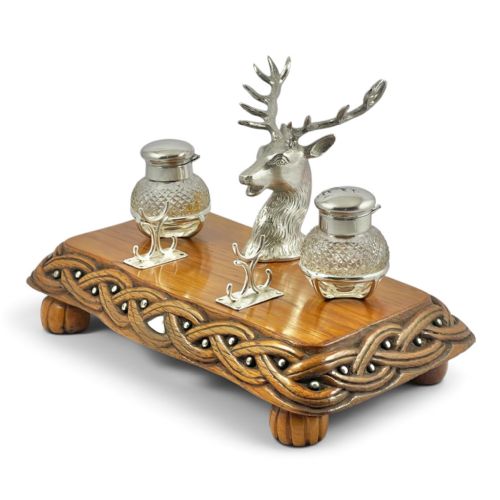
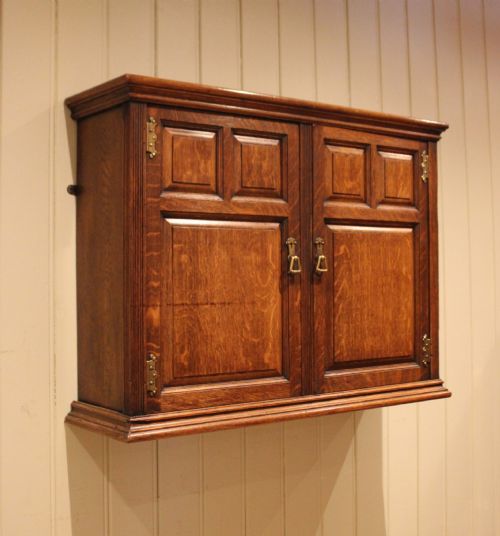
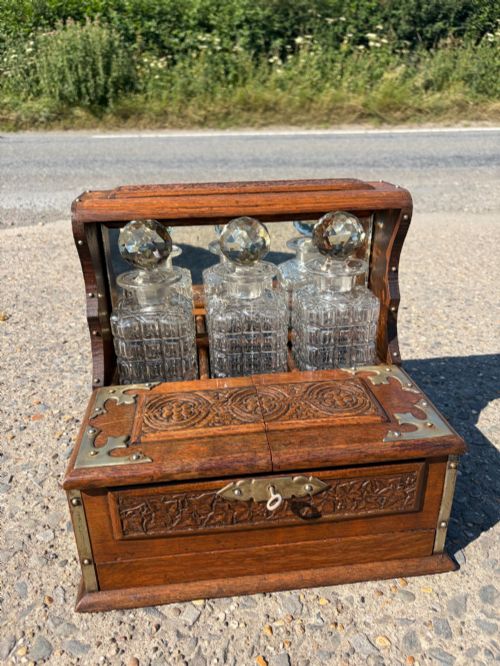
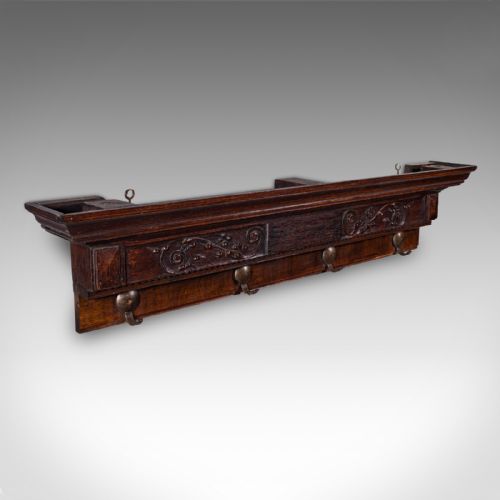
Makers shaped these pieces from solid timber using traditional hand tools such as chisels, gouges, and panel saws to achieve crisp relief work. Oak provides the primary structural body, valued for its dense grain and durability under load. Craftsmen often combined this timber with brass hinges, iron brackets, or glass and silver fittings to create functional items like coat hooks, coal boxes, and tantalus frames.
Surface finishing relied on natural waxes and oils rubbed into the timber over time to highlight the medullary rays in the oak grain. Metal elements such as wrought iron or cast brass were secured with hand-turned screws, while applied mounts occasionally incorporated horn, glass, or silver plating to enhance decorative contrast.
Listings feature oak combined with brass, iron, glass, and horn across various domestic and decorative forms.
What varies in quality
Quality rests in the depth, crispness, and anatomical accuracy of the carving rather than the mere presence of decoration. Superior examples display undercut relief work and confident hand-tool marks that retain their sharpness, whereas lesser pieces show soft, rounded edges from hasty production or heavy over-finishing. The integration between the oak backing and any applied metal or horn mounts also dictates the standard of craftsmanship.
The integrity of the timber forms another major distinction, with top-tier items showing stable, well-seasoned oak free from excessive shrinkage or poor historic repairs. Original hardware, such as period brass hooks or iron brackets, elevates a piece above those fitted with later replacements. Proportion and balance separate workshop pieces designed for specific architectural settings from utilitarian mass-produced alternatives.
James Shoolbred & Co.·Gerrard & Sons London·Tahan of Paris·Winterhalder & Hofmeier
The Carved Oak Mount Glossary
- Caryatid
- A sculpted female figure serving as an architectural support in place of a column or pilaster. These figures frequently appear supporting cornices or framing panels on seventeenth and eighteenth-century woodwork.
- Tantalus
- A decorative cabinet holding decanters securely behind a locked bar to prevent unauthorized access. The mechanism typically requires unlocking the handle before any bottle can be removed from its oak frame.
- Medullary rays
- Natural ribbon-like flecks radiating through quarter-sawn oak timber. Their distinct silver figure appears clearly on high-grade furniture and decorative mounts.
- Delft plate rack
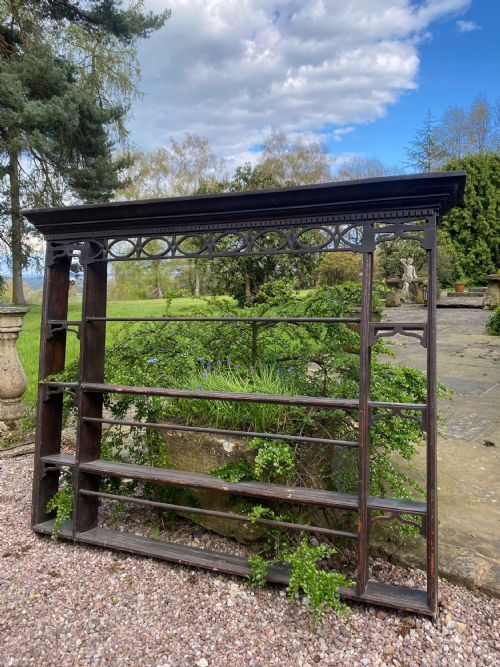
- A wall-mounted wooden shelving unit designed to display ceramic plates upright. These pieces often feature grooved ledgers and decorative fretwork or columns.
- Trefid spoon
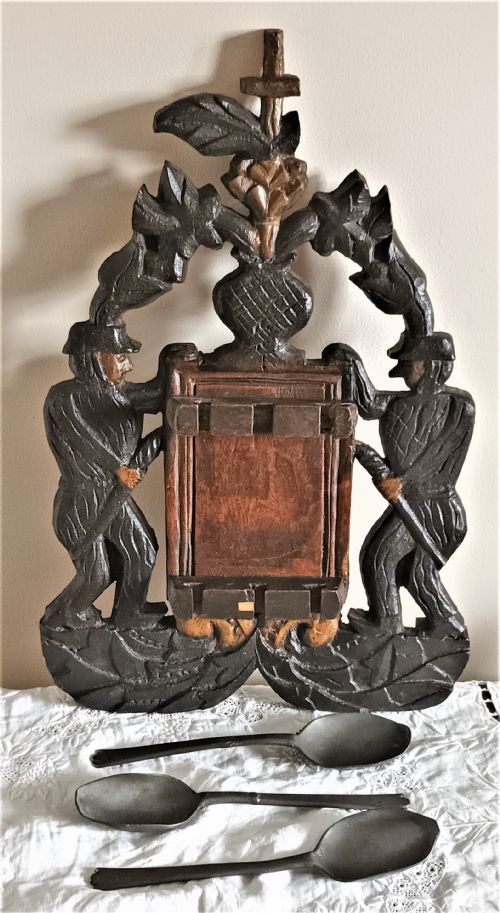
- An early form of eating spoon featuring a broad, three-lobed terminal handle. They frequently date to the seventeenth and early eighteenth centuries, often associated with oak dining furniture.
Carved Oak Mount: Frequently Asked Questions
How do I mount a heavy oak piece safely?
Secure the mount directly into wall studs or use appropriate masonry fixings matched to the weight of the solid timber. Ensure the hanging hardware on the reverse is structurally sound before installation.
Position the piece at a height that accommodates its intended function, whether supporting coats, displaying taxidermy, or serving as a decorative architectural bracket.
How do I clean carved oak safely?
Dust the carvings regularly with a dry, soft-bristled brush to remove particulate matter from recessed details. Avoid liquid polishes that build up in the carved crevices over time.
Apply a microcrystalline wax sparingly once a year if the timber appears dry, buffing it gently with a clean cloth to maintain a natural lustre.
How can I tell the period of oak carvings?
Examine the tool marks and construction methods visible on the reverse or unpolished surfaces. Hand-adzed timber and pegged joints generally indicate earlier centuries, while machine-cut elements point toward the Victorian era and later.
Consider the style of the carving, noting how Gothic Revival, Arts and Crafts, or Georgian motifs align with known historical periods and cabinetmaking conventions.
Were these always wall-mounted?
Many items began as architectural elements, furniture pediments, or components of larger sideboards before being adapted for wall display. Fragments removed from older joinery were frequently mounted on boards to preserve the carving.
Purpose-built wall fixtures, such as coat racks and bracket shelves, were designed from inception with integrated hanging points or structural backplates for domestic use.