




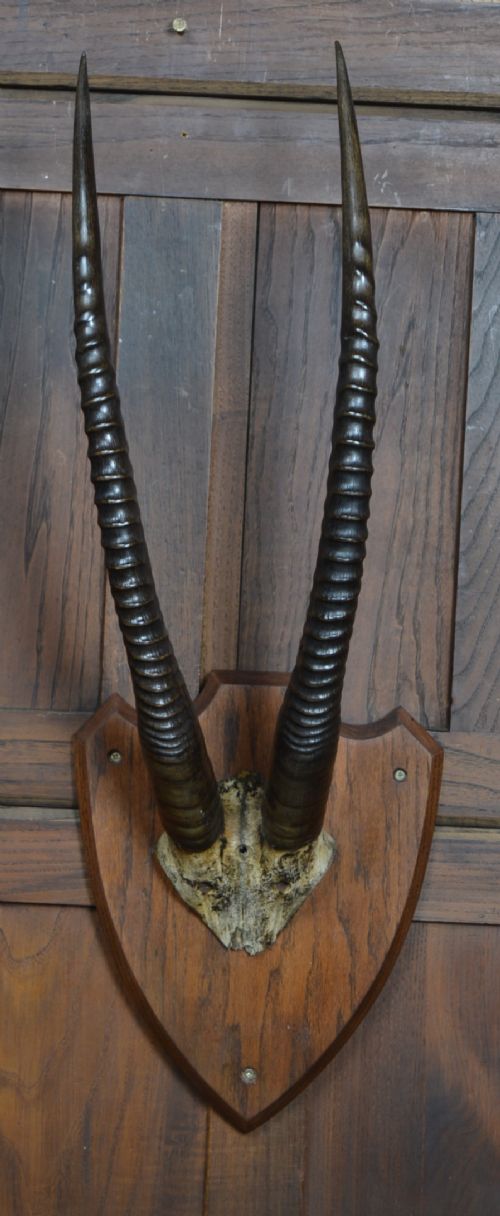


Oak Shield Taxidermy
These oak shield taxidermy pieces bring preserved wildlife and sporting history directly onto the wall, offering a striking focal point for any room.
Oak Shield Taxidermy
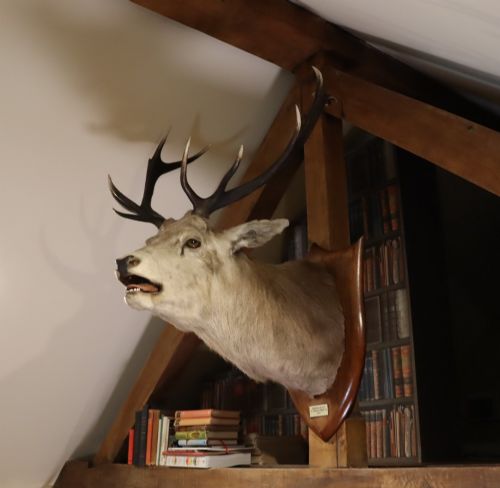
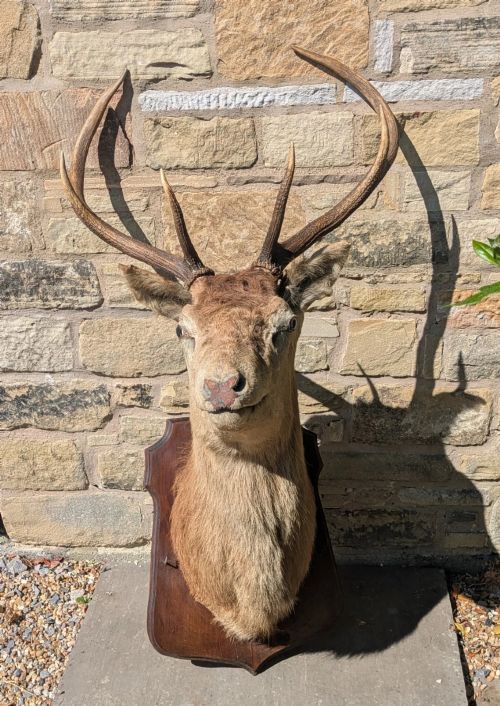
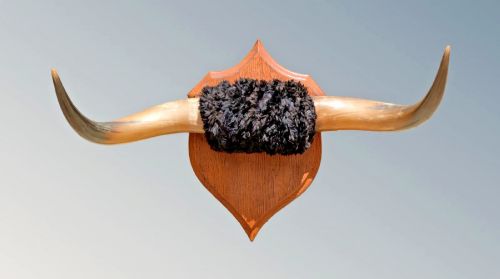
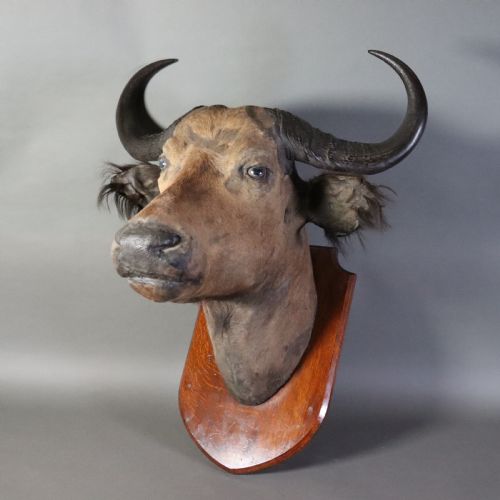
When you search for oak shield taxidermy, you encounter historical mounted specimens and trophies secured to shaped wooden backings. These wall displays range from small mammalian masks and horns to substantial deer heads and exotic trophies.
The versions most commonly met on this page span the late nineteenth century through to the mid-twentieth century. They appear in styles such as Victorian, Edwardian, and Highland Sporting, reflecting traditional British and continental hunting culture.
Objects include taxidermy wall mounts, taxidermy wall racks, and individual taxidermy trophies arranged on oak panels. Many pieces demonstrate utilitarian as well as decorative purposes, functioning simultaneously as coat racks and wall decor.
Materials and Construction
The backing boards are carved and shaped from oak, providing a robust and heavy foundation for the specimens. Timber panels frequently exhibit bevelled edges or carved foliage details to complement the mounted subject.
Specimens utilise natural fur, natural hide, bone, horn, and glass for eyes, combined with taxidermy mounting techniques of the period. Trophies and masks are secured firmly to the wood using metal fixings concealed behind the pelt or skull plate.
Oak Shield Taxidermy Retail Price Guide 2026
Typical asking prices for oak shield taxidermy among the pieces listed under this phrase on Sellingantiques today, from the lower quarter to the upper quarter. They describe what is for sale here now, not the wider market.
Fox hounds occasionally achieved immortality alongside their quarry, immortalised by taxidermists on oak shields after distinguished service in the field.
Assessing Quality
The standard of taxidermy work dictates the overall merit of the piece, with renowned practitioners achieving lifelike expressions and anatomical accuracy. Superior mounts retain the natural alertness and musculature of the animal without distortion.
The craftsmanship of the oak shield itself marks the division between standard production and exceptional work. Carved detailing, timber figure, and the proportion of the shield to the specimen determine the aesthetic balance of the whole object.
Peter Spicer & Sons·Gerrard & Sons London
The Oak Shield Taxidermy Glossary
- Taxidermy mount
- The preserved skin of an animal mounted over a form to reproduce its lifelike appearance. These are typically arranged as shoulder mounts or wall masks.
- Taxidermy shield
- A shaped wooden plaque, commonly made of oak, designed to display animal heads, horns, or masks upon a wall. They frequently include hanging loops on the reverse.
- Fox mask
- The head and upper neck skin of a fox prepared as a taxidermy trophy. These are often mounted on small wooden shields with painted or inscribed capture details.
- Stag's head
- A large taxidermy trophy consisting of the head, neck, and antlers of a male deer. These are usually mounted on substantial wooden shields for wall suspension.
- Hall rack
- A functional wall fixture combining taxidermy elements such as horns or antlers with wooden panels and metal hooks. They were designed for hanging coats and hats in entrance halls.
Oak Shield Taxidermy: Frequently Asked Questions
What is the difference between a mask and a full head mount?
A mask typically consists only of the face, snout, and ears cut away from the neck, commonly seen with foxes and otters. These smaller pieces fit easily onto compact oak shields for domestic display.
Full head mounts include the neck and shoulders, projecting further into the room. They require larger shields and considerable wall space to accommodate their physical presence.
How should I care for historic taxidermy and oak shields?
Keep mounted specimens away from direct sunlight and strong heat sources to prevent the natural fur and hide from drying out or fading. Maintain a stable room temperature to protect both the animal materials and the wooden backing.
Dust the fur gently with a soft brush and clean the oak shield with a dry or lightly dampened cloth. Avoid using chemical polishes or water directly on the taxidermy elements.
How can I tell the period of a piece?
Examine the style of the oak shield carving, the fixing screws on the reverse, and any accompanying inscriptions or taxidermist paper labels. Victorian and Edwardian pieces often display distinct craftsmanship and specific taxidermy methods characteristic of late nineteenth and early twentieth-century workshops.
Consider the species and the mounting style, as hunting fashions shifted from elaborate French and Highland sporting lodges towards more streamlined twentieth-century wall decor.