






Antique Hunting Lodge Decor
Antique hunting lodge decor brings the robust spirit of country pursuits indoors through antler mounts, carved oak, and sporting art.
Antique Hunting Lodge Decor
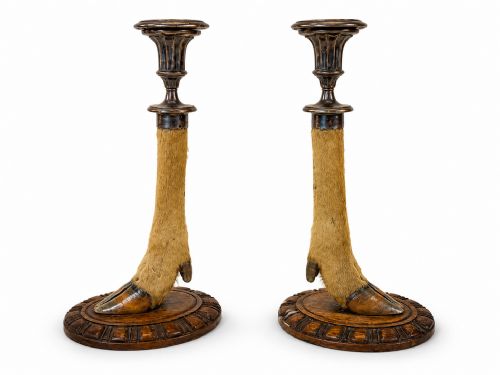
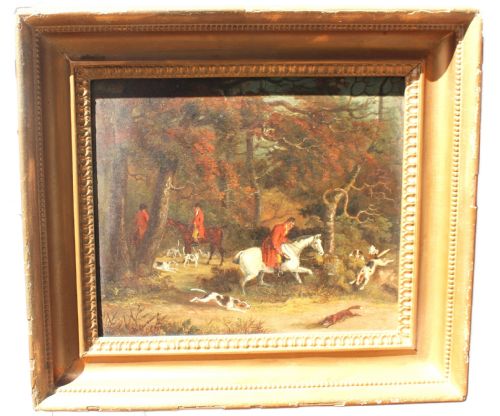
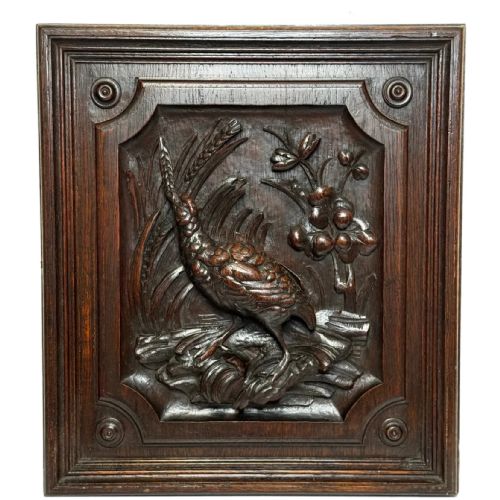
Antique hunting lodge decor encompasses functional items and display pieces designed to evoke traditional country sports and rural retreats. When exploring antique hunting lodge decor, buyers encounter taxidermy mounts, oil paintings, carved wood panels, and functional accessories.
The selection on this page draws primarily from the Victorian and Edwardian eras, alongside pieces dated across the nineteenth and early twentieth centuries. Highland traditions and Black Forest aesthetics heavily influence the forms found in these collections.
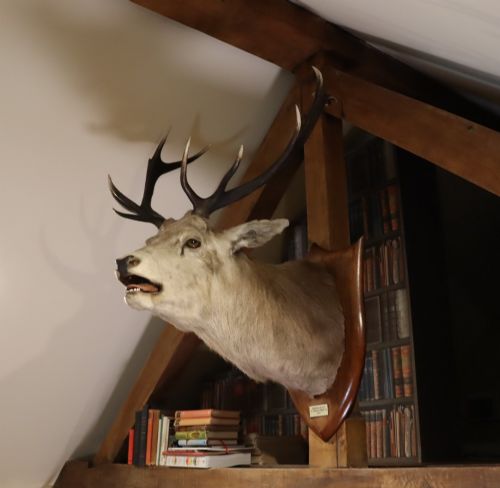
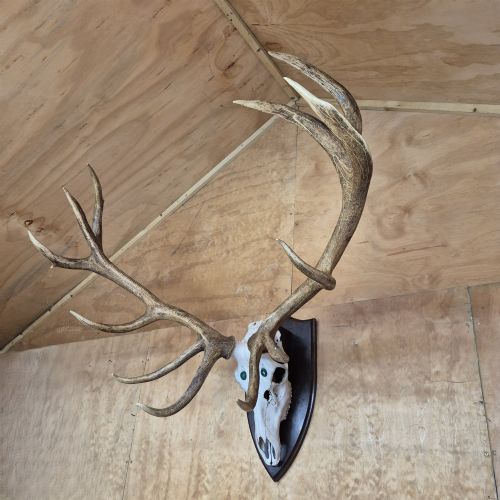
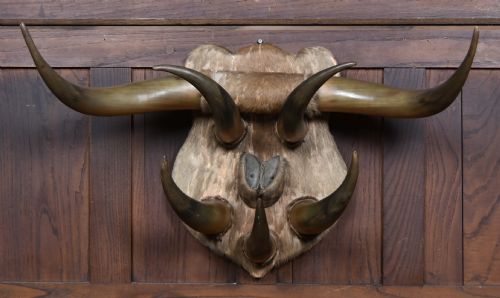
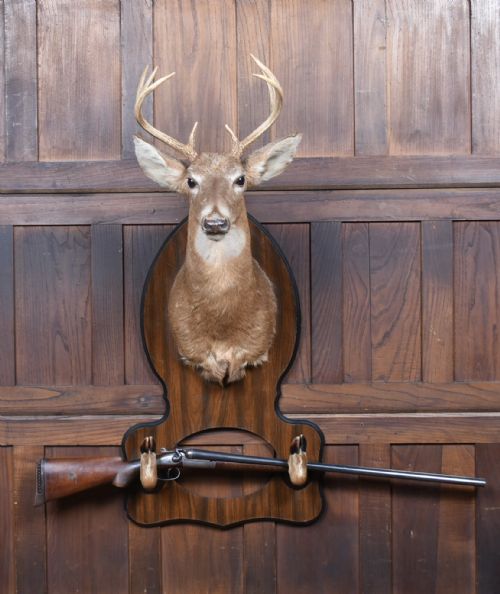
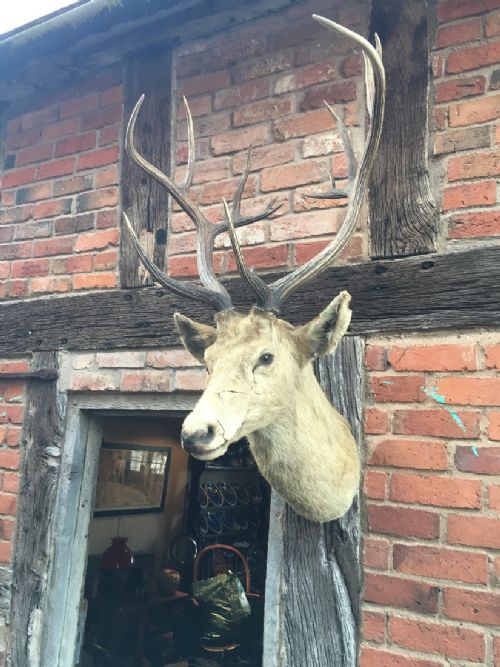
Common manifestations include stags' heads, antler sets, and carved oak panels bearing game motifs. These items served both to decorate domestic interiors and to celebrate successful days in the field.
Materials and construction
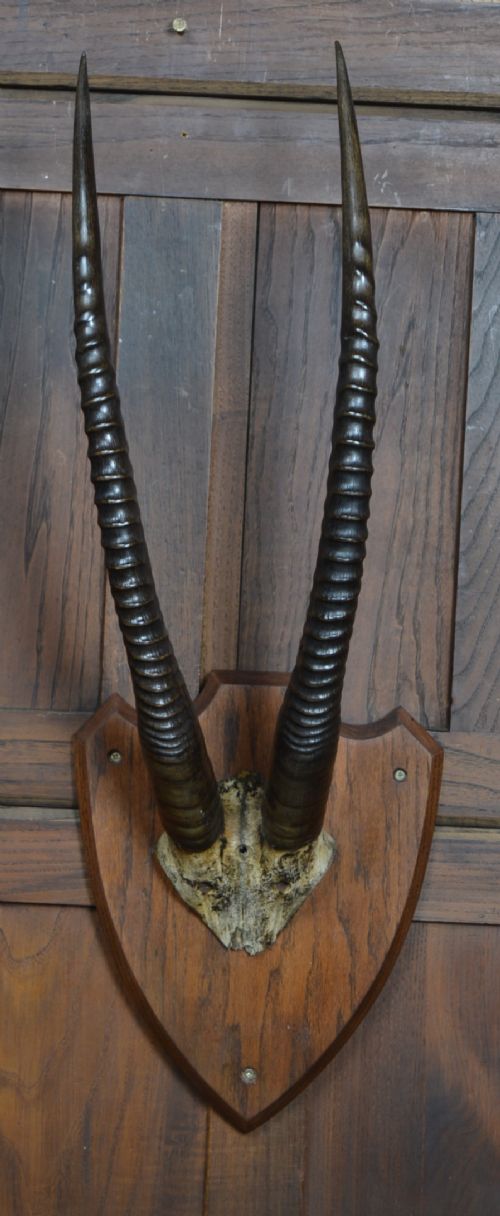
Makers utilised natural materials directly connected to rural life, shaping oak, horn, bone, and antler into decorative and practical objects. Woodcarvers worked primarily in oak, producing intricate relief panels and sturdy shields for mounting horns.
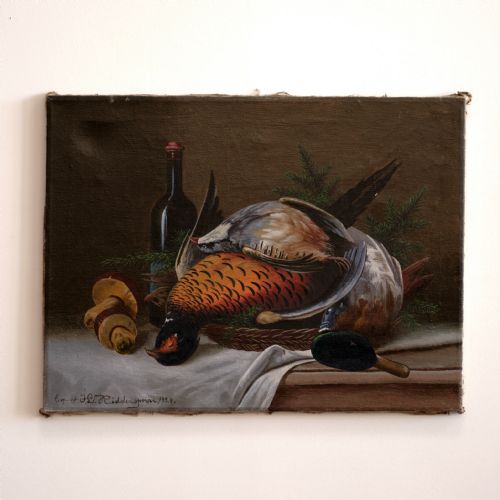
Taxidermy specimens and animal parts underwent preservation and mounting, often combined with brass fixtures or oil paint on canvas. Skilled artisans also applied traditional oil painting techniques to capture sporting scenes and trompe l'oeil still lifes.
Antique Hunting Lodge Decor Retail Price Guide 2026
Typical asking prices for hunting lodge decor among the pieces listed under this phrase on Sellingantiques today, from the lower quarter to the upper quarter. They describe what is for sale here now, not the wider market.
The listings feature pieces spanning the nineteenth and twentieth centuries, including Victorian and Edwardian eras.
Judging quality and execution
Quality in these pieces depends on the natural proportions of the subject and the anatomical accuracy of the taxidermy or carving. Superior examples display careful handling of materials, such as finely detailed carving on oak shields and well-preserved antlers.
The sophistication of the artistic execution separates standard items from finer works, particularly in oil paintings and sculptural metalwork. Original patination on wood, bone, and horn also indicates how well an object has survived over the centuries.
Michelangelo Meucci
The Antique Hunting Lodge Decor Glossary
- Taxidermy
- The art of preparing, stuffing, and mounting the skins of animals for display. This technique preserves creatures such as deer and birds for interior decoration.
- Trompe l'oeil
- An art technique involving extremely realistic imagery that creates the optical illusion that the depicted objects exist in three dimensions. Painters utilised this method to render hanging songbirds with lifelike precision.
- Black Forest
- A style of wood carving originating from the mountainous region in Germany during the nineteenth century. Artisans working in this tradition specialised in realistic animal sculptures and rustic furniture.
- Animalier
- A nineteenth-century artistic style focusing on the realistic portrayal of animals. Sculptors working in this genre captured domestic animals and wildlife in bronze and other media.
- Pugin design
- A decorative style inspired by the Gothic revival championed by Augustus Pugin. Carvings featuring this influence often incorporate medieval architectural motifs into wood panels.
Antique Hunting Lodge Decor: Frequently Asked Questions
What items define hunting lodge decor?
These collections comprise taxidermy mounts, oil paintings, carved wooden panels, and practical accessories like barometers and desk sets. Natural materials such as antler, horn, and oak dominate the selection.
Such objects reflect the nineteenth and early twentieth-century fascination with country sports and rural aesthetics. They were traditionally displayed in country houses and shooting boxes.
How were antler mounts displayed?
Antlers were typically mounted onto carved wooden shields or plaques designed to be hung on walls. Larger sets, such as red deer antlers, served as prominent focal points above fireplaces or in hallways.
Smaller pieces of antler were sometimes incorporated into functional items like desk sets and gongs. This combined natural trophies with everyday utility.
What periods do these pieces date from?
The available pieces primarily date from the nineteenth and early twentieth centuries, spanning the Victorian and Edwardian eras. Specific dates in the evidence range from eighteen hundred through to nineteen thirty.
Stylistic influences from these periods include Highland traditional designs and Black Forest woodcarving. Each era brought distinct craftsmanship to sporting art and taxidermy.
How do I care for wooden panels and horns?
Wooden panels and carved oak require dusting with a soft cloth and protection from direct sunlight and extreme humidity changes. Maintaining stable indoor conditions prevents the wood from drying out or cracking.
Horn and bone elements benefit from similar gentle care without the application of harsh chemical cleaners. Preserving the natural surface helps maintain the historical character of the piece.
What subjects appear in sporting paintings?
Sporting paintings frequently depict foxes, hunting dogs, game birds, and stags within rural landscapes. Artists captured both action scenes from the field and still life arrangements of game.
Mediums included oil on canvas, executed by painters working within the sporting art tradition. These works documented the animals and activities associated with country pursuits.