






Brown Stag Head Mount
A brown stag head mount brings the rugged spirit of the Highland hunting lodge straight into a room.
Brown Stag Head Mount
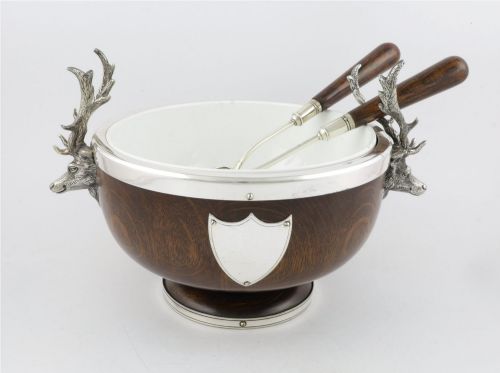
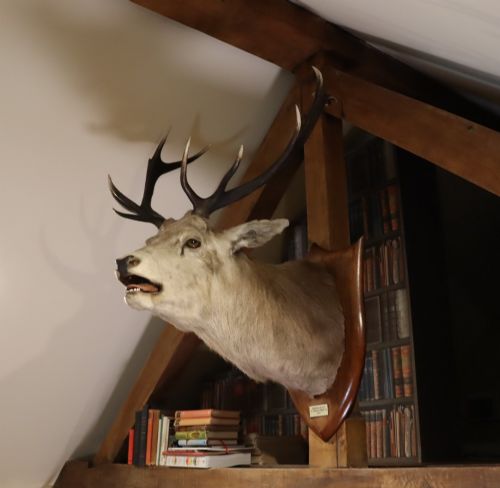
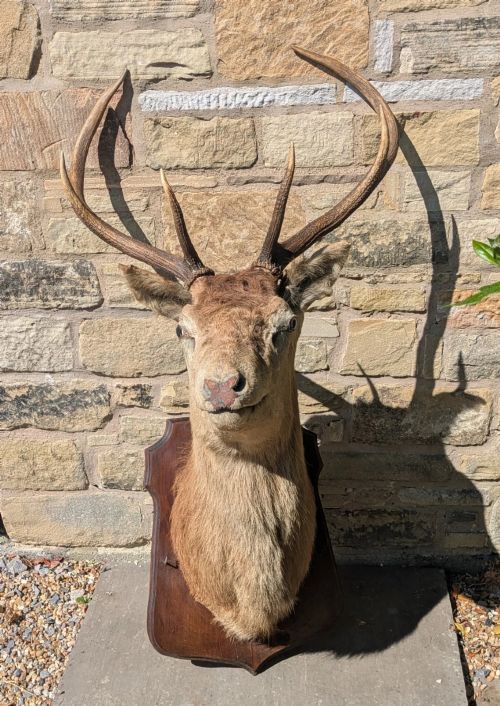
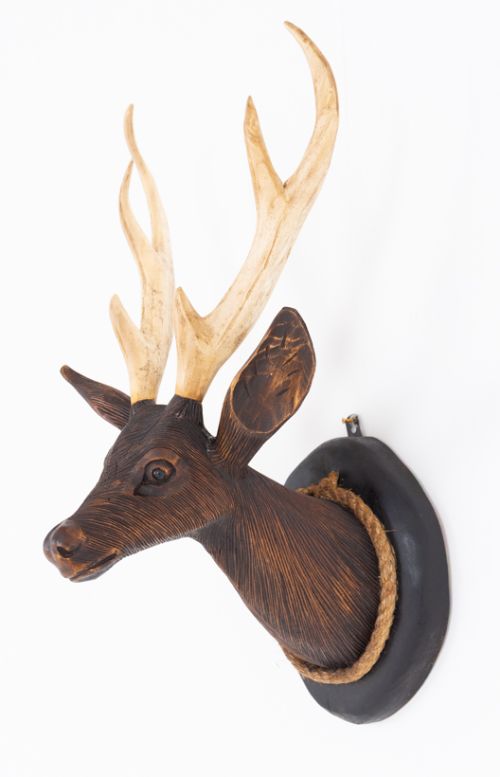
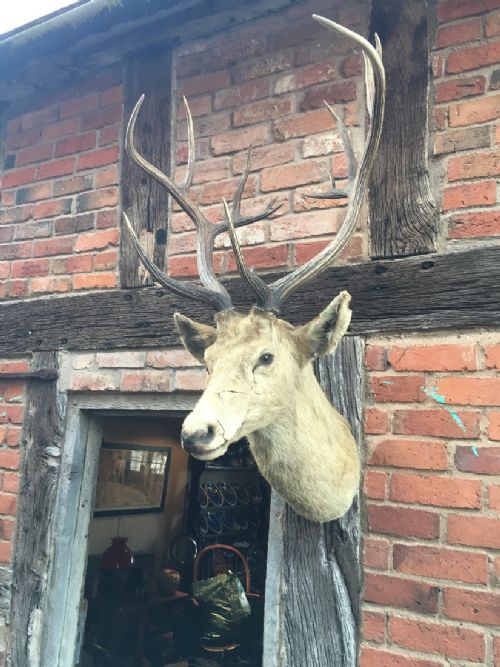
A brown stag head mount is a striking wall sculpture that combines natural antler and taxidermy or carved wood to create a commanding focal point. Buyers seeking a brown stag head mount encounter pieces originating from the nineteenth and twentieth centuries, spanning Victorian, Edwardian, and folk art traditions.
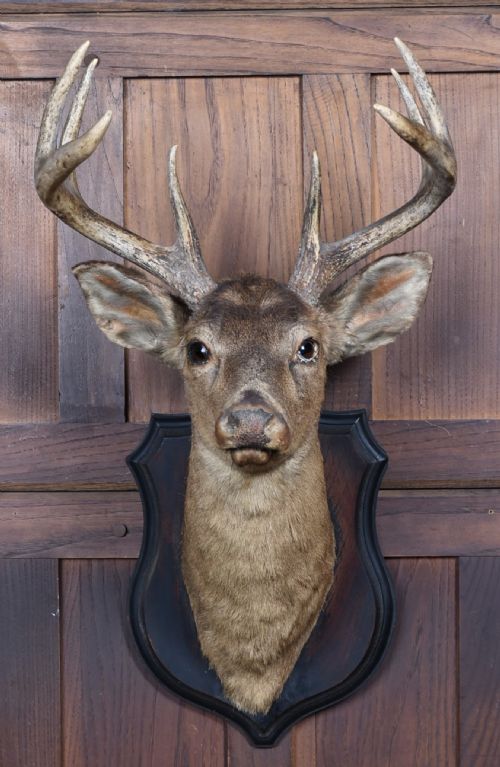
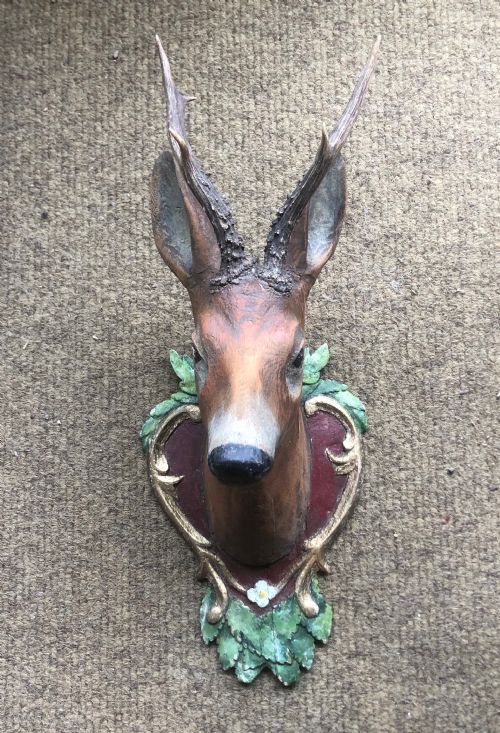
The selection here encompasses traditional taxidermy red deer and roebuck specimens alongside carved wooden interpretations and folk art pieces. Many are mounted upon carved oak shields or wooden backs designed for wall display in country houses and lodges.
How they were made
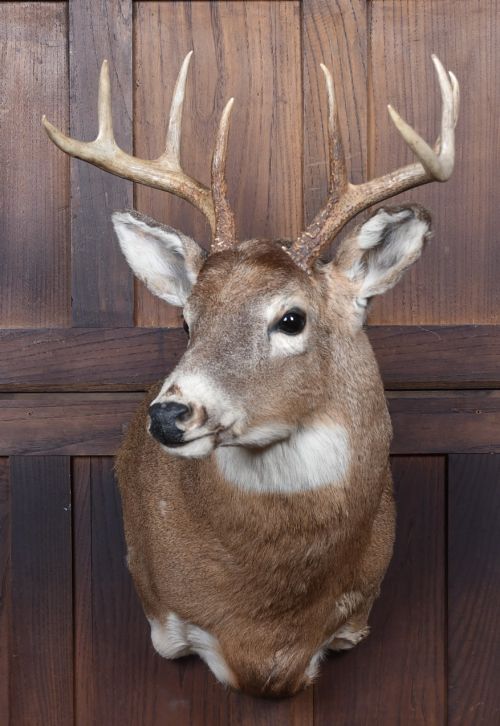
Taxidermy specimens utilise real deer hide and natural antlers, carefully preserved and mounted upon solid wood shields made of oak or other carved timbers. Glass eyes are often fitted to bring realism to the preserved animal heads.
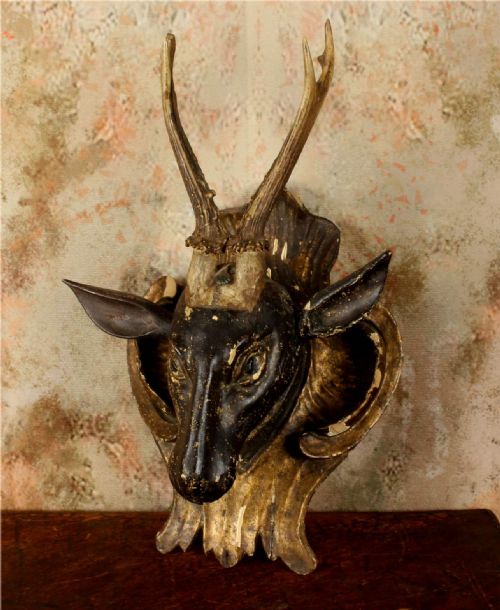
Carved wooden alternatives dispense with hide entirely, employing skilled woodworking techniques to shape timber into detailed deer heads and antlers. Painted finishes and folk art detailing occasionally complete the surface of these carved pieces.
Brown Stag Head Mount Retail Price Guide 2026
Typical asking prices for brown stag head mount among the pieces listed under this phrase on Sellingantiques today, from the lower quarter to the upper quarter. They describe what is for sale here now, not the wider market.
Listings feature periods spanning the nineteenth century, Victorian era, Edwardian period, and the nineteen-twenties and thirties.
What varies in quality
Carved wooden examples rely heavily on the depth of the carving and the character of the wood grain, where finer detail in the facial structure and antler formation elevates the piece. The historical provenance and attribution to known taxidermy firms also lift certain mounts above standard domestic workshop productions.
Peter Spicer & Sons
The Brown Stag Head Mount Glossary
- Taxidermy
- The art of preserving, preparing, and mounting animal skins to display a lifelike representation of the creature. This practice forms the basis of most traditional trophy mounts.
- Antler
- The bony growth shed and regrown annually by members of the deer family, branching into points that determine the classification of the set. Larger spreads and higher point counts command particular attention.
- Black Forest
- A nineteenth-century carving style originating in Switzerland and Germany, characterised by naturalistic depictions of animals and foliage carved deeply into dark wood. Pieces in this style range from furniture to wall trophies.
- Folk Art
- Utilitarian or decorative objects created by self-taught or traditional craftsmen using local materials. These items often display idiosyncratic charm rather than academic precision.
Brown Stag Head Mount: Frequently Asked Questions
What periods do these mounts come from?
The pieces available span from the nineteenth century through the Edwardian era and into the nineteen-thirties. Victorian and Edwardian examples often reflect the aesthetic of British country houses and Highland hunting lodges.
Later pieces from the nineteen-twenties and nineteen-thirties continue these traditional taxidermy and carving methods, while nineteenth-century folk art items offer a more rustic interpretation.
How do I clean and care for taxidermy antlers?
Dust the hair and antlers gently using a soft-bristled brush or a dry microfibre cloth on a regular basis. Avoid using water, chemical cleaners, or damp cloths directly on the taxidermy hide or painted wooden surfaces to prevent damage.
Keep the mount away from direct sunlight and strong heat sources to protect the natural hide, glass eyes, and wooden shield from fading or drying out over time.
What is the difference between taxidermy and carved wood heads?
Taxidermy mounts utilise the actual preserved hide, hair, and natural antlers of a real animal combined with glass eyes to create a lifelike specimen. These require careful preservation to maintain the condition of the organic materials.
Carved wood heads are entirely sculptural interpretations shaped from timber by hand, often in styles such as Black Forest or folk art. They offer the visual impact of a trophy without involving preserved animal remains.