


Antique Trophy Mount
An antique trophy mount brings preserved fauna and natural history specimens directly onto the wall.
Antique Trophy Mount
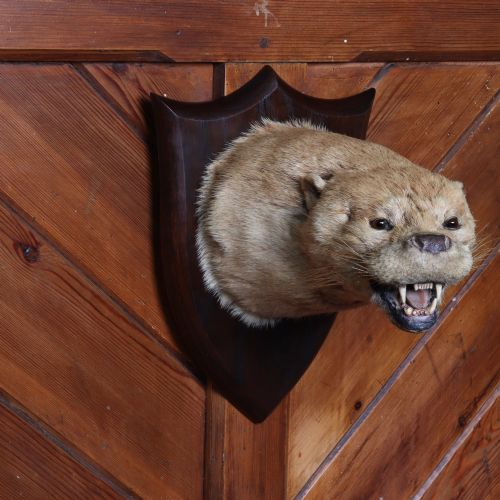
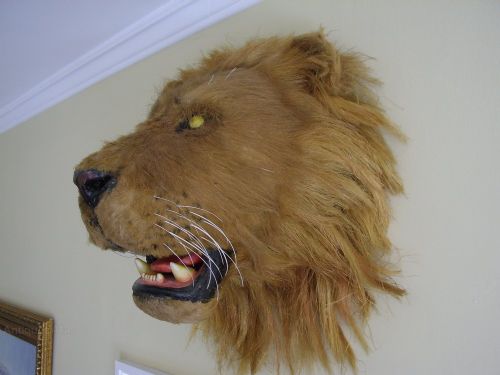
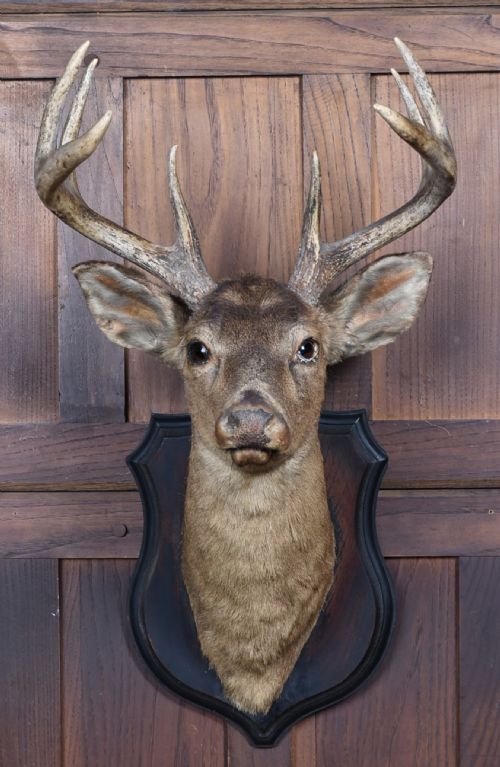
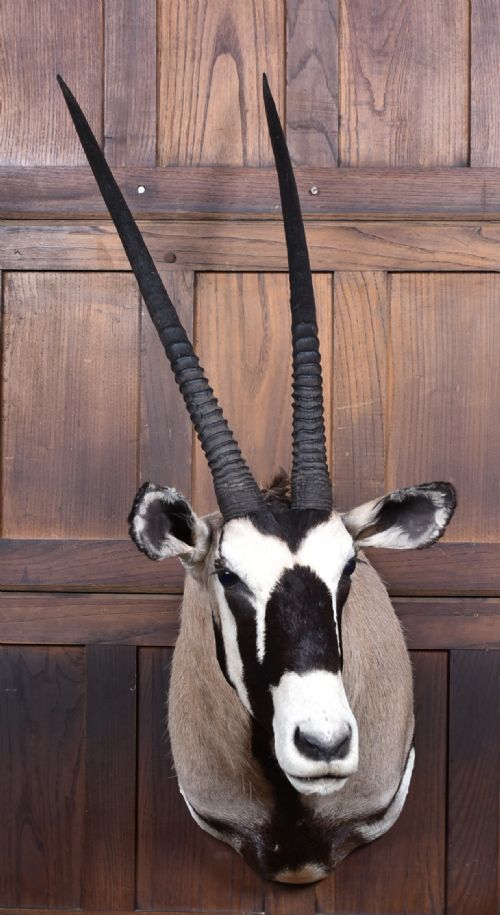
When you search for an antique trophy mount, you find preserved animal specimens, horns, antlers, and taxidermy prepared for wall display. These pieces capture sporting history and natural science, ranging from small mammal masks to large ungulate heads.
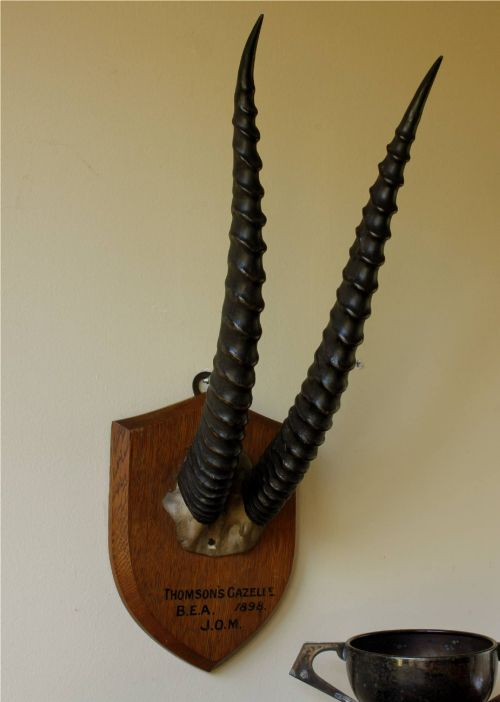
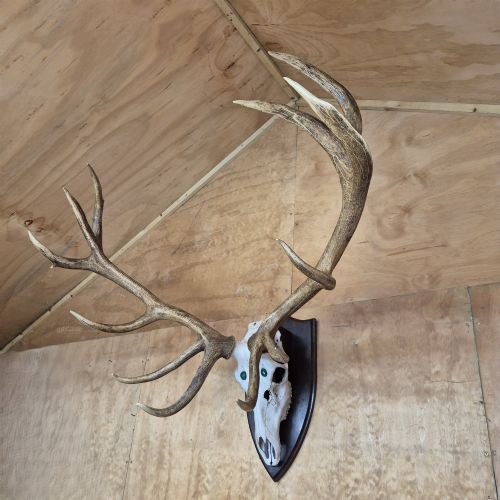
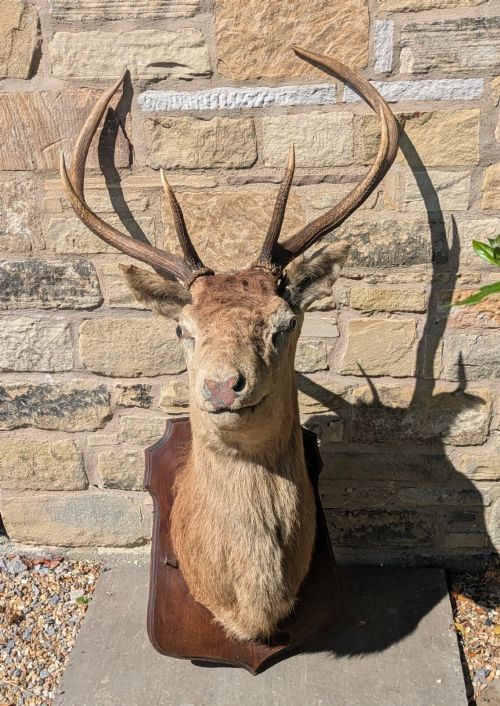
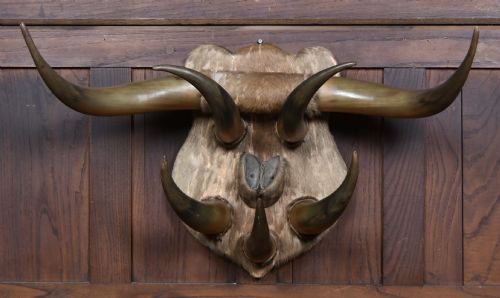
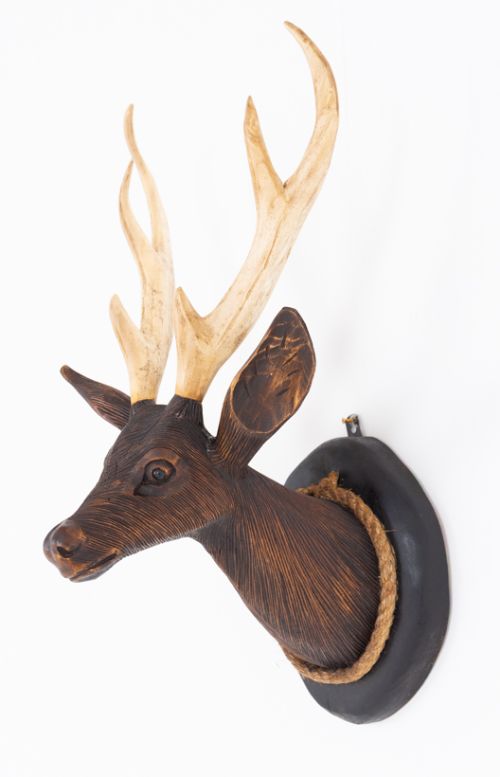
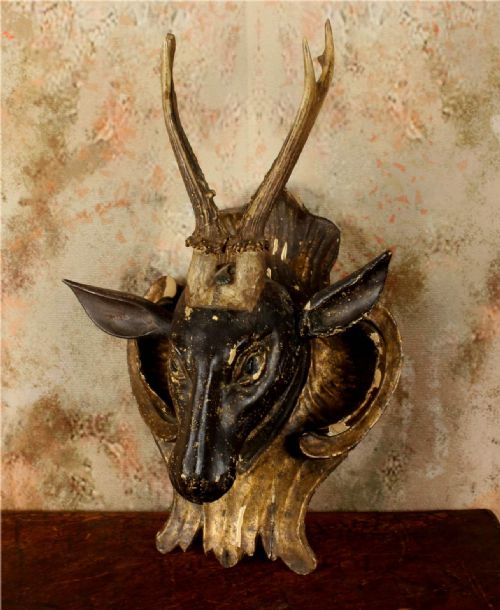
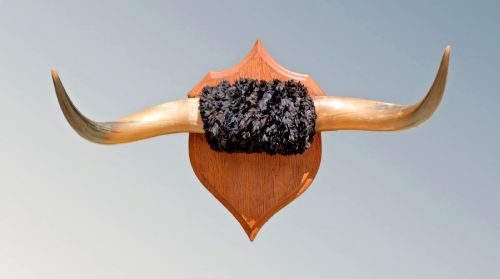
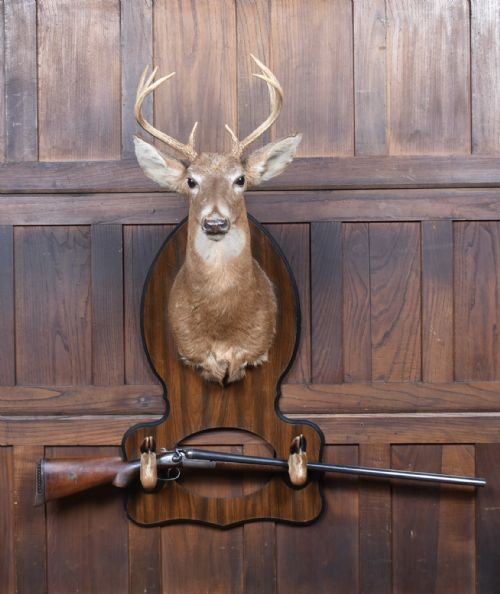
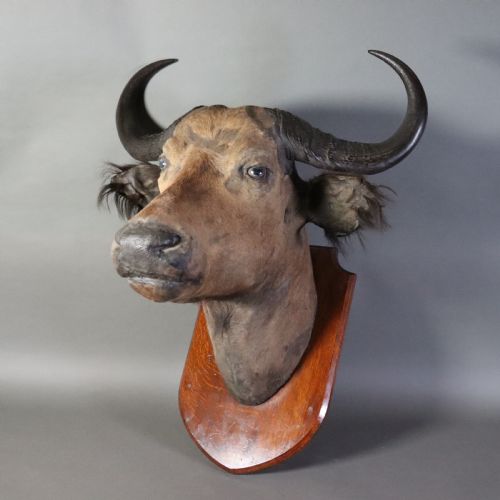
The most common examples on this page are deer heads, antelope horns, and set horns mounted on wooden shields. Many originate from the Victorian and Edwardian periods, reflecting the interior tastes of British and continental lodges.
Materials and construction
Taxidermy mounts combine natural hides, fur, bone, horn, and glass eyes built over carved or moulded forms. Makers fitted these specimens onto wooden shields made of oak or pine for secure wall hanging.
Several deer hoofs found new life indoors as table lamps, inkwells, and penholders.
Quality variations
Quality rests upon the skill of the taxidermist in capturing realistic anatomical proportions and natural expression in the face or posture. Works by known practitioners demonstrate superior preservation of fur and hide over decades.
The complexity of the carving on the wooden shield and the symmetry of the antlers or horns influence the distinction of the piece. Well-documented specimens carrying maker signatures or original glass cases retain stronger provenance.
Little and Co·Peter Spicer and Sons·Gerrard and Sons·Cooper and Sons
The Antique Trophy Mount Glossary
- Taxidermy mount
- The art of preserving and displaying an animal skin with realistic form. These pieces form the core of wall displays.
- Black Forest style
- Carved wooden decoration originating from central Europe, frequently depicting woodland animals and foliage. This style often frames deer heads and antlers.
- Shield
- A shaped wooden plaque used as a backing plate for hanging horns or animal heads on a wall. Oak is a common material for these supports.
Antique Trophy Mount: Frequently Asked Questions
How do I hang a heavy mount safely?
Large taxidermy heads and mounted horns require secure fixings into structural wall studs or solid masonry using heavy-duty brackets. The weight rests primarily on the wooden shield or hanging loop attached to the back.
Check that the wall anchor matches the weight of the specific wood and specimen before installation. Professional installation is advisable for large twentieth-century stags heads.
What periods do these pieces cover?
The pieces span from the nineteenth century through to the mid-twentieth century, with strong representation from the Victorian and Edwardian eras. Dates range from the eighteen-eighties up to nineteen-fifty.
Stylistic shifts occur between ornate Victorian natural history displays and later twentieth-century lodge traditions. Each period utilises distinct mounting techniques and wooden shield designs.
How should I clean taxidermy mounts?
Remove dust gently using a soft, clean artist brush or a low-suction vacuum with a brush attachment. Avoid using water, chemical cleaners, or damp cloths on natural fur and taxidermy hides.
Keep mounts away from direct sunlight and damp environments to prevent fading and deterioration of the organic materials.
What materials are used in these mounts?
The primary materials include natural fur, taxidermy hide, bone, antler, horn, and glass eyes. Wooden elements typically consist of oak or carved wood for the display shields.
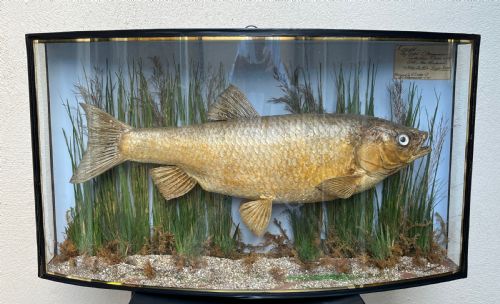
Some smaller pieces incorporate silver-plating, metal fittings, and glass display cases to protect delicate specimens.