

Antique Taxidermy Mount
An antique taxidermy mount brings the wilderness indoors with striking realism, offering collectors a tangible piece of natural history.
What an antique taxidermy mount is
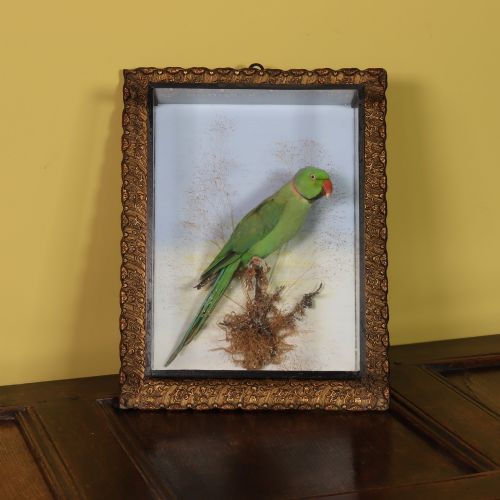
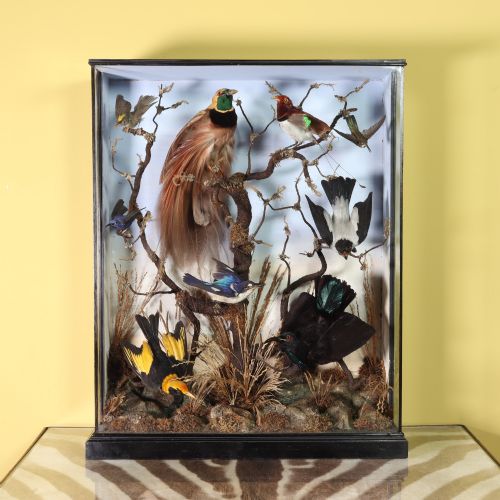
An antique taxidermy mount preserves animals with remarkable detail, capturing creatures from birds to large game. These pieces embody the Victorian and Edwardian fascination with natural history and domestic display.
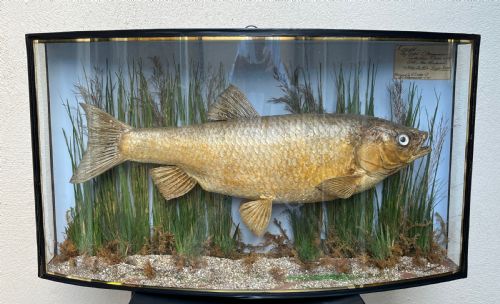
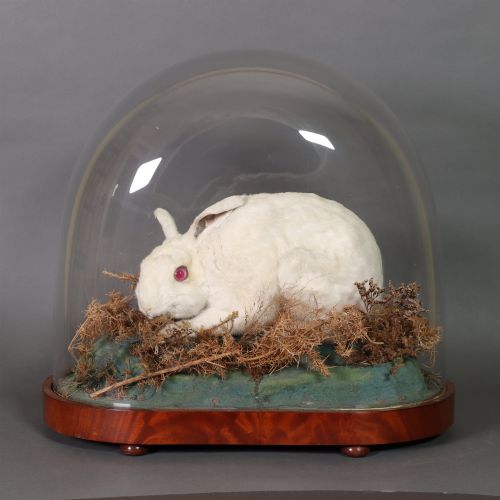
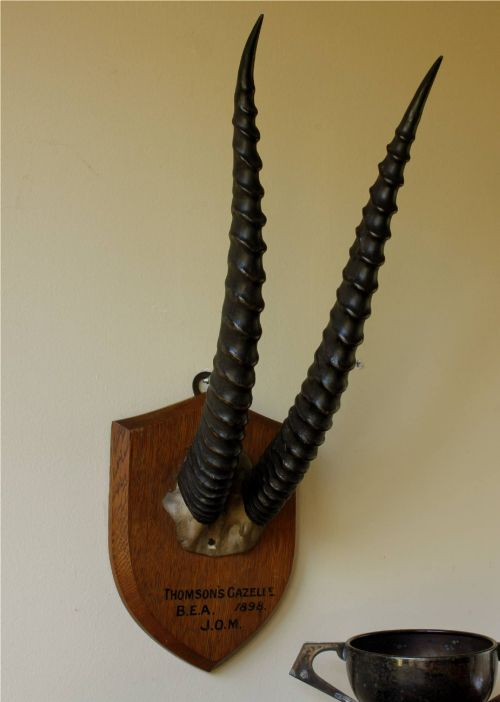
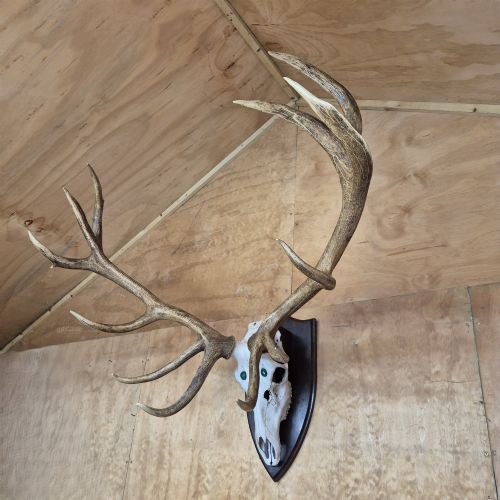
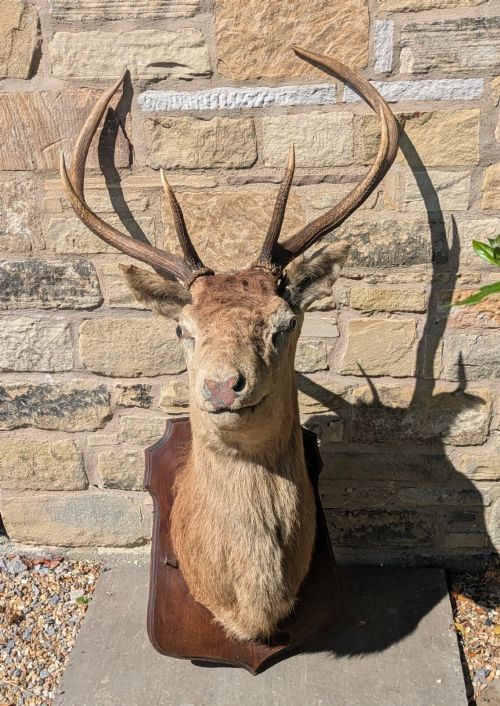
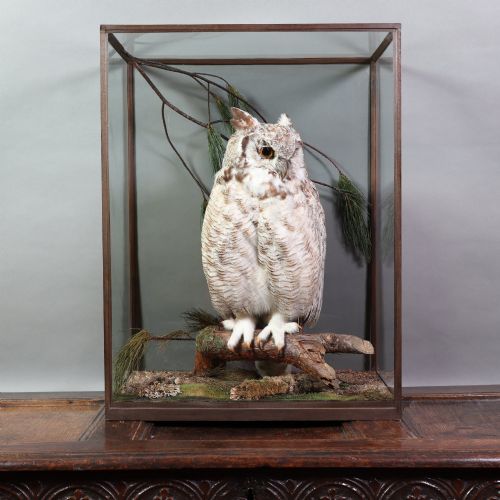
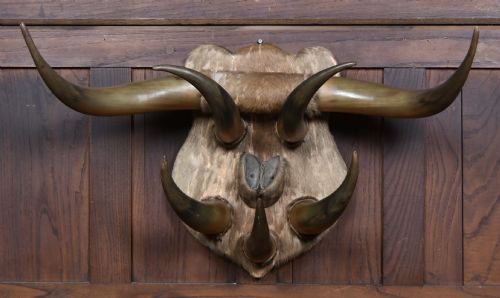
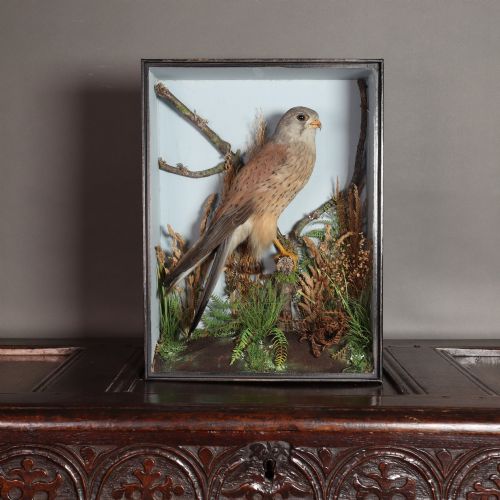
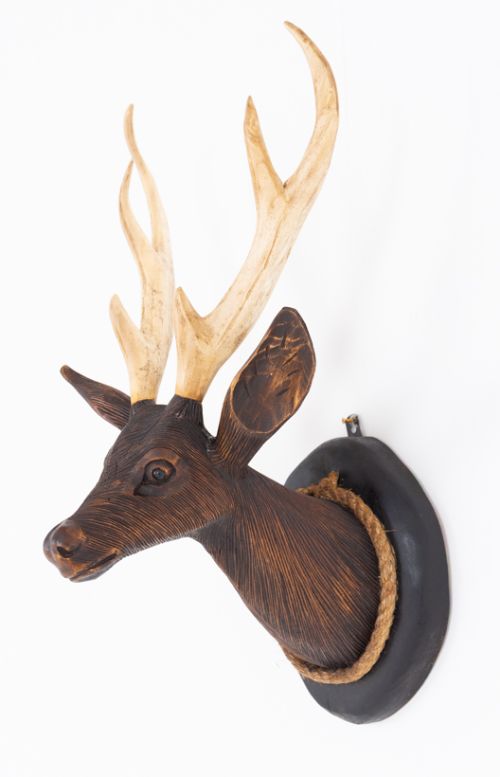
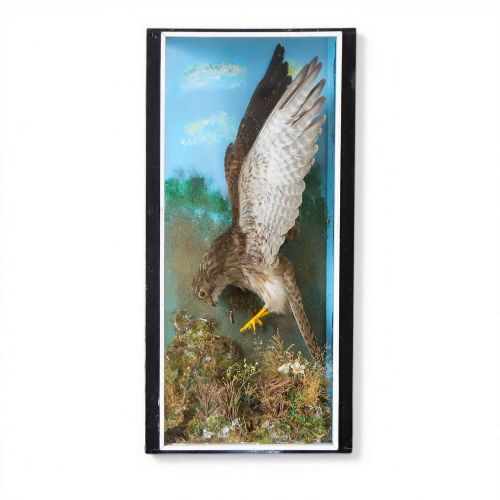
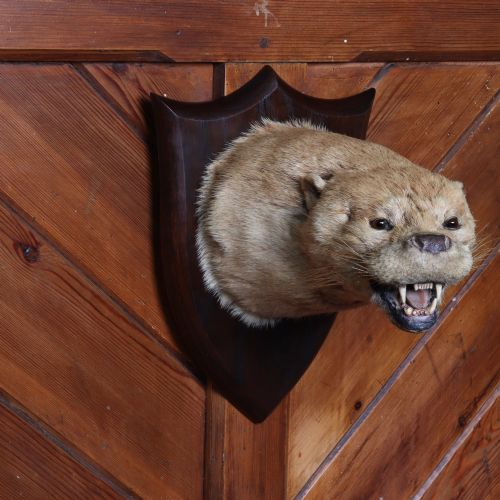
The selections here span from the mid-nineteenth century through the early twentieth century. Buyers encounter everything from small avian specimens and fox masks to substantial deer and antelope trophy heads.
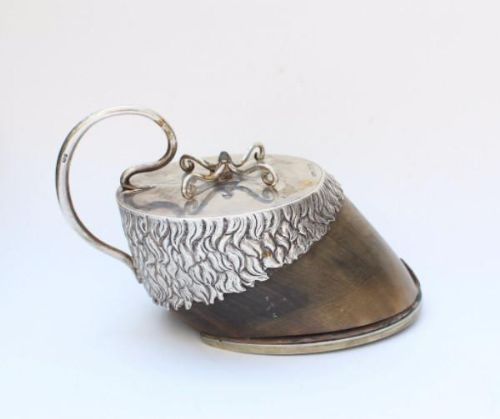
Many of these mounts reflect British sporting traditions, featuring Scottish stags and mounted hooves alongside exotic African game. The forms range from wall-hanging shields to freestanding glass-cased specimens.
How they were made
Taxidermists utilised preserved specimen hides and fur, stretching and mounting them over carved or constructed forms. These skins required meticulous preparation to maintain their natural texture and appearance over decades.
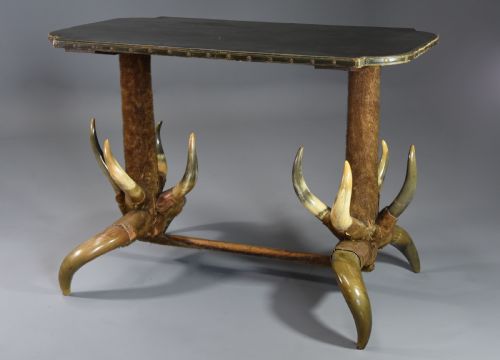
Supporting structures combined sturdy wood, such as oak shields, with bone, horn, and antler. Master craftsmen frequently integrated glass eyes and detailed painted work to restore lifelike expression to the animal.
Specialist firms incorporated metalwork, including silver mountings on bird brooches and horse hooves. These refined additions turned natural specimens into wearable accessories or desk ornaments.
Retail Price Guide 2026
Typical UK retail prices for taxidermy mount, calculated from the Sellingantiques database of over a million retail prices indexed since 2003. This retail price guide relies exclusively on Sellingantiques data; no external sources or auction records are used, so the figures do not describe the wider market.
Listings feature materials such as taxidermy hide, fur, horn, antler, bone, wood, and glass across Victorian and Edwardian periods.
What varies in quality
Quality rests in the anatomical accuracy and the natural posture preserved by the taxidermist. Superior specimens retain a convincing vitality in the facial expression and muscle structure, avoiding a stiff or artificial appearance.
The provenance and documentation significantly elevate a piece, particularly when bearing the stamp of a notable workshop. Original mounting shields, intact glass domes, and associated historical records complete the standard of excellence.
Edward Gerrard & Sons·W.F. Homer London
The Antique Taxidermy Mount Glossary
- Taxidermy mount
- The preserved skin of an animal mounted over a realistic form for display. These pieces serve as both decorative objects and historical artefacts.
- Shield
- A wooden backing board, often made of oak, shaped like a heraldic shield to display trophy heads. This traditional mounting style allows secure wall hanging.
- Preserved specimen
- An intact animal or bird prepared to resist decay for scientific or decorative collection. These often appear inside glass display cases.
- Trophy head
- A taxidermy mount showing the head and neck of game animals, typically fitted to a wooden wall plaque. These recall nineteenth-century sporting expeditions.
Frequently Asked Questions
How should I clean antique taxidermy?
Dust fur and feathers gently with a very soft brush, moving in the direction of the natural growth. Avoid water, harsh chemical cleaners, or direct sunlight, which damage fragile hides.
Professional conservators should handle any deep cleaning or structural repairs to preserve the historical material.
What periods do these pieces date from?
The available selection primarily covers the Victorian and Edwardian eras, spanning from the mid-nineteenth century to the early twentieth century. These decades represent the peak of British taxidermy craftsmanship.
Dates are often confirmed through associated paperwork, maker signatures, or the style of the wooden mounting shield.
Are these mounts ethically sourced?
These historical pieces reflect the hunting practices and scientific collecting methods of the Victorian and Edwardian periods. They originate from historical estates and long-established private collections.
Acquiring antique specimens preserves historical artefacts without contributing to modern wildlife trade.