






Vintage Taxidermy Wall Decor
These vintage taxidermy wall decor pieces bring the drama of the natural world indoors, offering preserved animal mounts and framed specimens from the Victorian and Edwardian eras.
Vintage Taxidermy Wall Decor
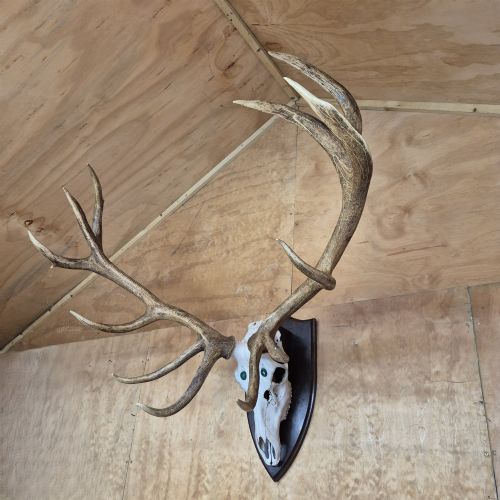
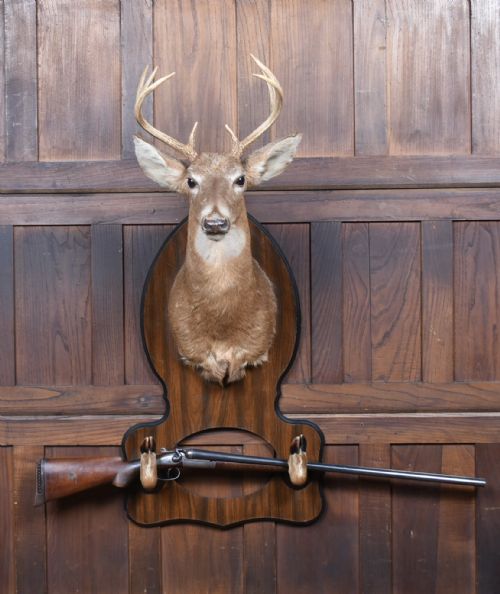
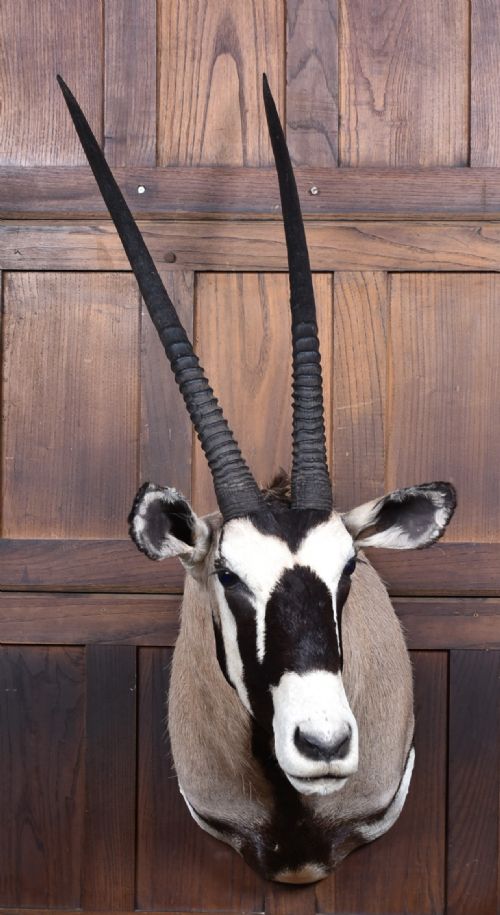
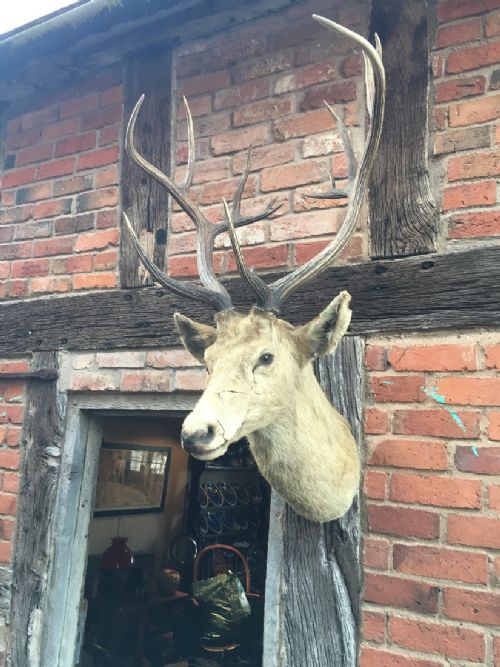
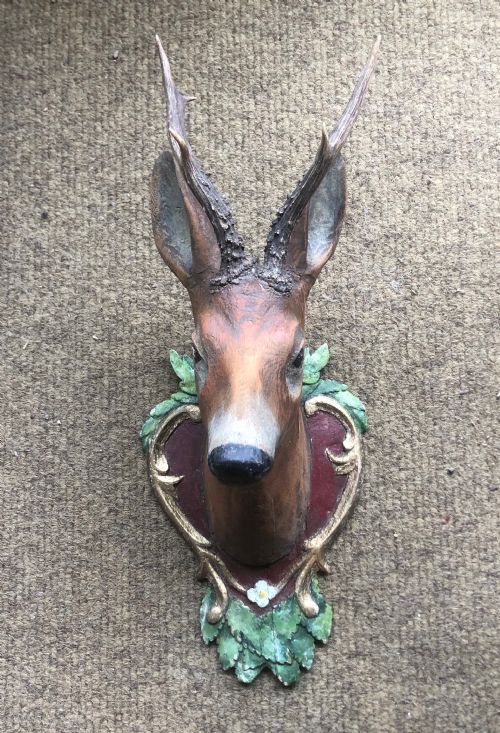
When you search for vintage taxidermy wall decor, you encounter preserved animal specimens and trophies designed for hanging, spanning the Victorian period through the early twentieth century. The selections on this page range from grand red deer stags and roe deer to exotic antelope horns, gazelles, and springbuck.
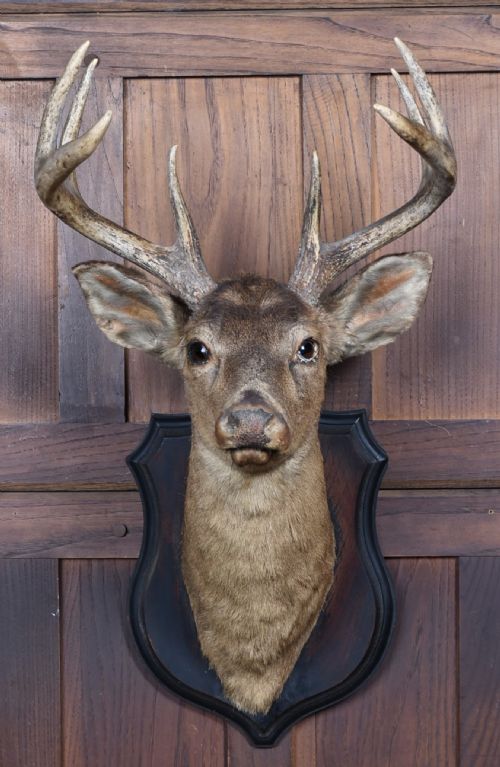
You also find specialised pieces such as framed peacock feathers, ram's horns mounted on carved shields, and complete heads like the whitetail deer or gemsbok. Highland lodge and traditional sporting styles dominate the aesthetic, reflecting historical tastes in interior display.
The most common forms you meet are wall mounts and trophies, utilising real bone, fur, hide, and antlers. These artefacts carry the distinct craftsmanship of natural history taxidermy from eras that valued domestic display of natural specimens.
How they were made
Taxidermists of the nineteenth and early twentieth centuries constructed these mounts using traditional preservation and taxidermy techniques over carved or modelled forms. Animal hides and furs were carefully treated and fitted over armature structures made of wood, plaster, or paper mâché.
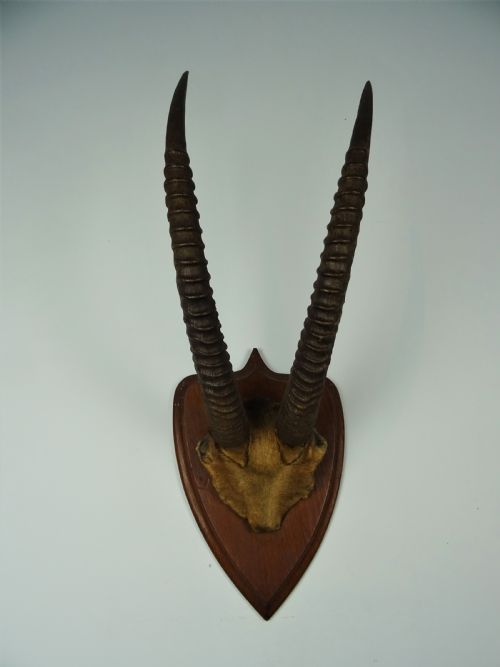
Antlers and horns were typically mounted onto wooden shields, often carved from oak, providing a sturdy backing for wall suspension. Glass eyes were integrated to restore a lifelike appearance to the animal heads and masks.
Vintage Taxidermy Wall Decor Retail Price Guide 2026
Typical asking prices for vintage taxidermy wall decor among the pieces listed under this phrase on Sellingantiques today, from the lower quarter to the upper quarter. They describe what is for sale here now, not the wider market.
Even a ram with elaborate spiral horns needs a well-carved oak shield to look proper on the drawing room wall.
What varies in quality
The anatomical accuracy and natural posture of the mounted animal set superior examples apart from standard work. Master taxidermists captured the alert expression and correct musculature of creatures like the fox mask or the stags head.
The condition of the taxidermy hide, fur, and feathers determines the overall desirability of the piece. High-grade specimens retain their original hair density and colour without significant loss, mounted securely to well-carved wooden shields or backing frames.
Edward Gerrard & Sons·Peter Spicer & Sons
The Vintage Taxidermy Wall Decor Glossary
- Taxidermy mount
- The preserved skin of an animal mounted over a lifelike form for display. This term covers both complete head mounts and horns.
- Trophy head
- An animal head and neck preserved and mounted to display horns or antlers. These were historically gathered during hunting expeditions.
- Shield
- A shaped wooden plaque, often carved, used to mount antlers or horns for wall hanging. Oak is a common material for these backings.
- Antlers
- The bony growths shed and regrown annually by members of the deer family. They are categorized by the number of points on the rack.
Vintage Taxidermy Wall Decor: Frequently Asked Questions
How do I clean vintage taxidermy fur?
Gently dust the fur and antlers using a soft-bristled brush or a feather duster in the direction of the hair growth.
Avoid using water, chemical cleaners, or damp cloths on vintage taxidermy hide, as moisture damages the historic preservation materials underneath.
How do I date an antique antler mount?
Examine the wooden shield and any mounting hardware on the reverse for clues to the period of manufacture. Oak shields with hand-carved detailing often point towards Victorian or Edwardian craftsmanship.
Paper labels or maker stamps pasted on the back of the wood frequently provide more precise decades like the 1900s or 1920s.
How do I protect taxidermy from sunlight?
Position your wall decor away from direct, strong sunlight to prevent the natural fur, feathers, and hide from fading over time. Indirect light preserves the original coloration of vintage specimens much better.
Stable room temperatures also protect the historical materials from drying out and cracking.