


Framed Natural History Curiosities
Framed natural history curiosities bring the structured wonder of the Victorian parlour into a modern room through preserved specimens and illustrated plates.
Framed Natural History Curiosities
When you search for framed natural history curiosities, you encounter a mix of taxidermy wall displays, specimen display cases, and hand-coloured engravings spanning the eighteenth, nineteenth, and early twentieth centuries. These pieces represent a period when natural philosophy and scientific collection crossed into domestic interior decoration.
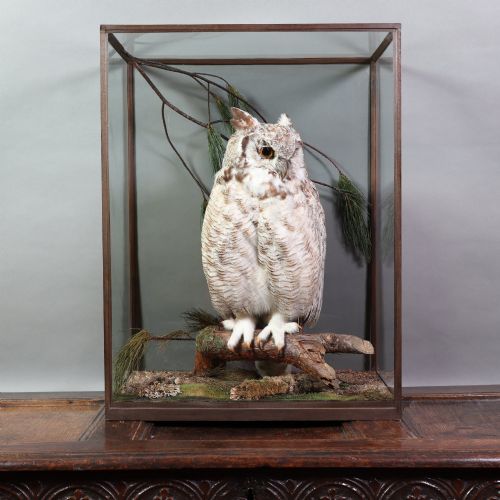
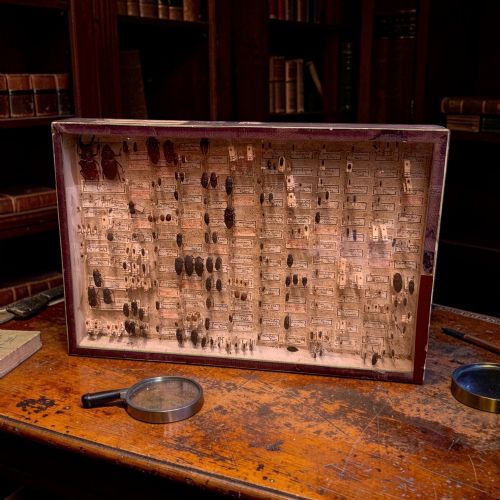
The most common formats on this page are oak-framed bird cases, entomology boxes, and botanical or zoological prints. Victorian examples dominate the selection, often presenting owls, jays, kingfishers, or butterflies mounted against painted or natural backgrounds.
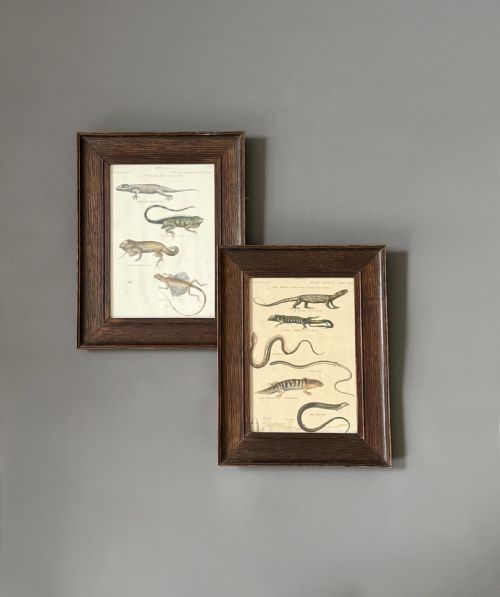
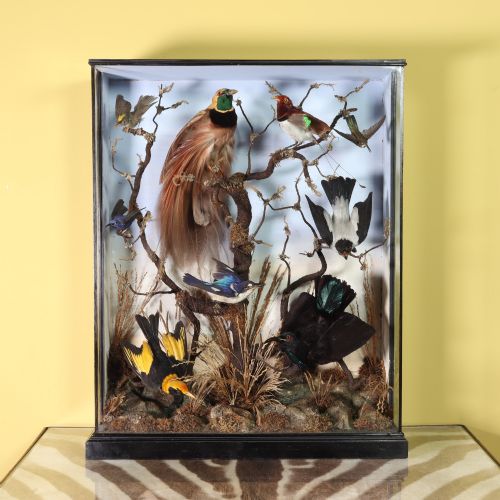
Origins vary from British taxidermy workshops to international specimen collectors sourcing birds from South America, Australia, and New Guinea. Engravings from the eighteenth and early nineteenth centuries provide a contrasting planar record of reptiles and serpents.
Materials and construction
Wood and glass form the primary housing for three-dimensional taxidermy and entomology specimens, with heavy oak cases and delicate glazing protecting delicate feathers and paper from dust and moisture. Interior settings frequently incorporate natural elements such as moss and dried foliage to mimic native habitats.
Flat works rely on high-grade paper and hand-applied watercolours or coloured engravings, often produced by medical doctors and naturalists who combined scientific accuracy with artistic presentation. Preservation techniques for taxidermy involved arsenic compounds and mechanical wiring to support bird skins, owls, and mammals in lifelike poses.
Materials utilised across these curiosities include oak, glass, paper, feathers, moss, and metal specimens.
Quality and execution
The distinction between standard specimens and superior examples rests on the taxidermist's skill in capturing anatomical proportion and dynamic posture. Well-mounted owls and jays retain natural feather alignment and alert facial expressions, whereas inferior work results in rigid or distorted forms.
Provenance and original labelling elevate certain cases, particularly those bearing the stamps or signatures of established nineteenth-century taxidermy firms. The condition of the glass, the tightness of the timber joints, and the retention of original hand-colouring on paper engravings further differentiate pieces.
Rowland Ward Ltd·Hutchings of Aberystwyth
The Framed Natural History Curiosities Glossary
- Taxidermy
- The art of preserving, preparing, and mounting the skins of animals for display in lifelike form. This practice reached its decorative peak during the Victorian era.
- Entomology
- The scientific study of insects, which in antique contexts refers to framed collections of butterflies, beetles, and moths pinned systematically.
- Engraving
- A printmaking process where an image is cut into a metal plate with a burin. Hand-coloured examples add watercolour washes to the printed lines.
- Specimen case
- A glazed wooden box designed to protect and display natural history objects while allowing clear visibility from the front.
- Curiosity cabinet
- A room or piece of furniture used to display a diverse collection of antiquities and natural history specimens.
Framed Natural History Curiosities: Frequently Asked Questions
How should I clean antique taxidermy cases?
Dust timber frames with a dry, soft brush and clean exterior glass using standard glass cleaner applied to a cloth rather than directly to the wood. Avoid opening sealed historic cases, as breaking the seal exposes fragile specimens to humidity and pests.
Internal cleaning requires professional intervention to prevent damaging delicate feathers, paper backgrounds, or taxidermy mounts.
Can framed natural history items tolerate direct sunlight?
Extended exposure to direct sunlight causes fading in taxidermy plumage, insect wings, and hand-coloured engravings. Pigments used in nineteenth-century watercolours and natural feathers are particularly sensitive to ultraviolet light.
Position these pieces on interior walls away from south-facing windows to preserve their original tones and structural colours.
What indicates a Victorian origin in bird cases?
Victorian bird cases typically feature heavy timber frames, often oak, enclosing custom-painted backgrounds scattered with real moss, twigs, and grasses. The taxidermy style prioritises narrative grouping, such as adult and immature birds or mixed species from distant colonies.
Handwritten scientific labels on the reverse or inside the glass further point toward nineteenth-century collecting habits.
How are entomology displays constructed?
Entomology cases house pinned specimens of butterflies and insects arranged systematically over a cork or card base lined with paper. Deep wooden frames with tight-fitting glass lids protect the fragile specimens from insect pests and atmospheric degradation.
Older examples often retain handwritten species names penned in ink beneath each specimen.