



Victorian Natural History Display
These pieces bring the outdoors inside through preserved wildlife and specimens collected during the nineteenth century.
Victorian Natural History Display
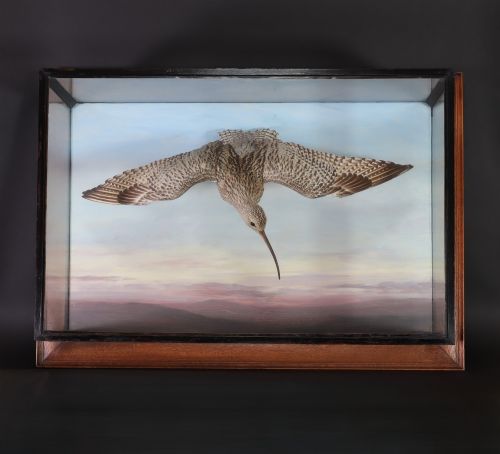
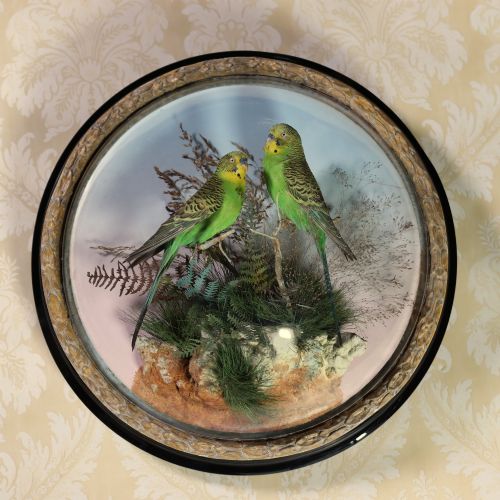
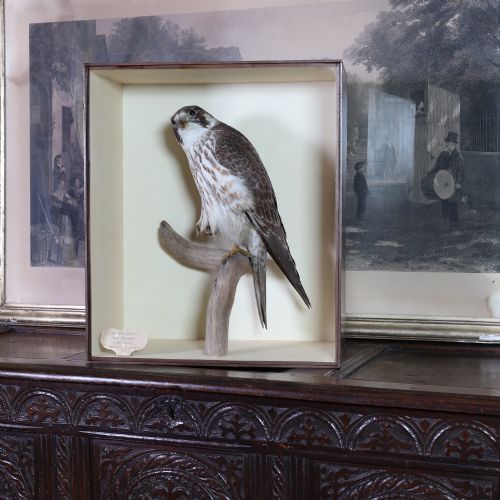
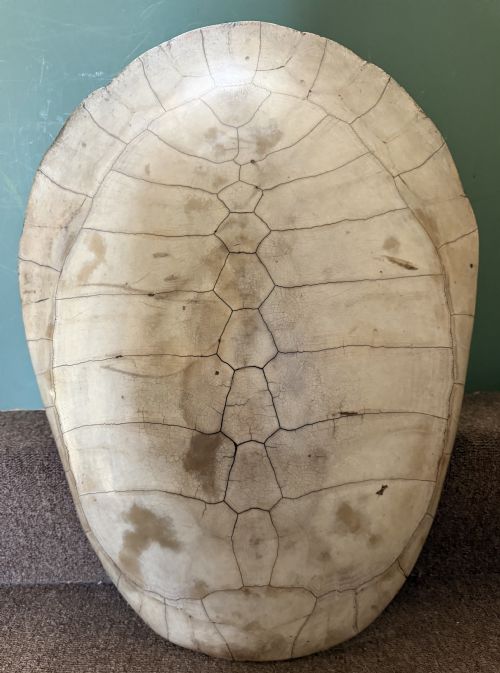
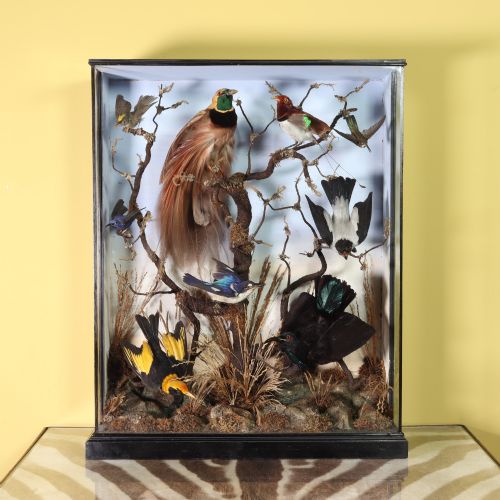
A victorian natural history display encompasses preserved birds, fish, mammals, and botanical or geological specimens housed in glass cases, domes, or cabinetry. These items reflect a nineteenth-century fascination with cataloguing the natural world for domestic study and decoration.
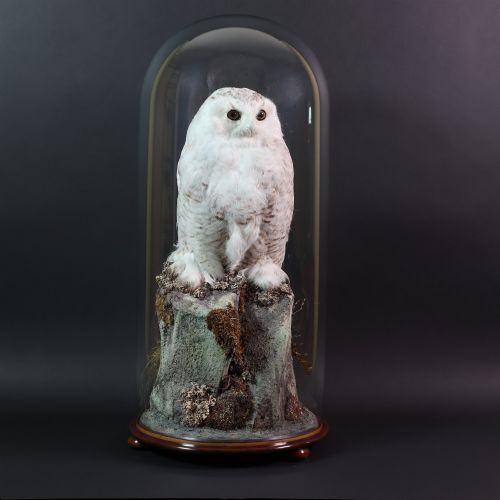
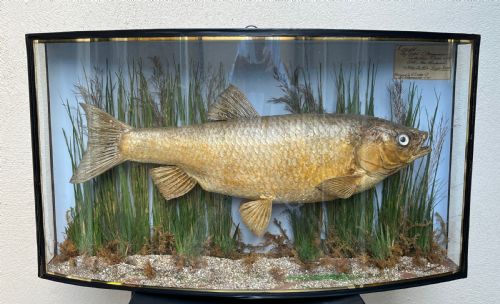
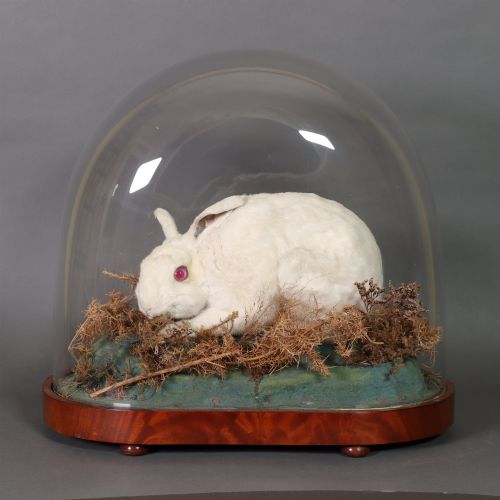
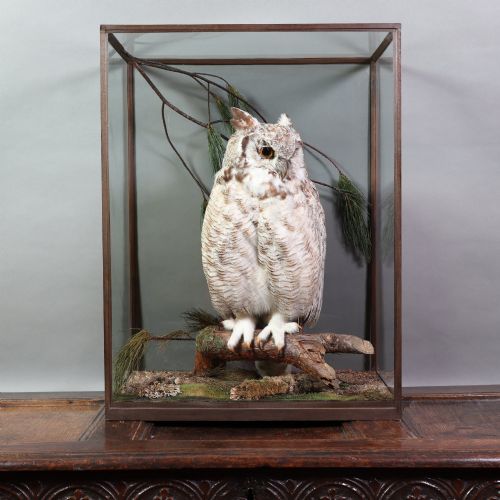
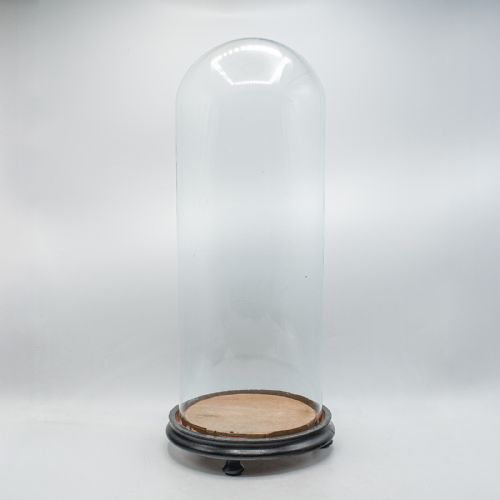
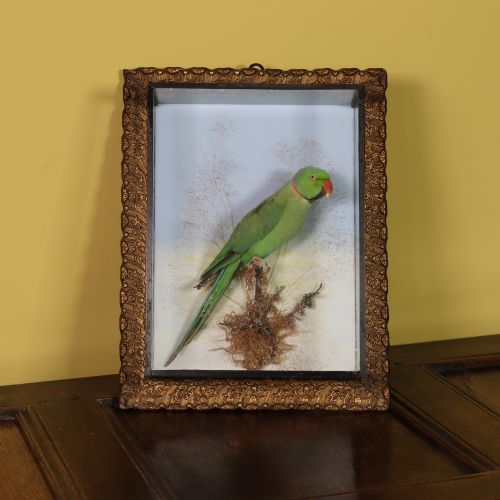
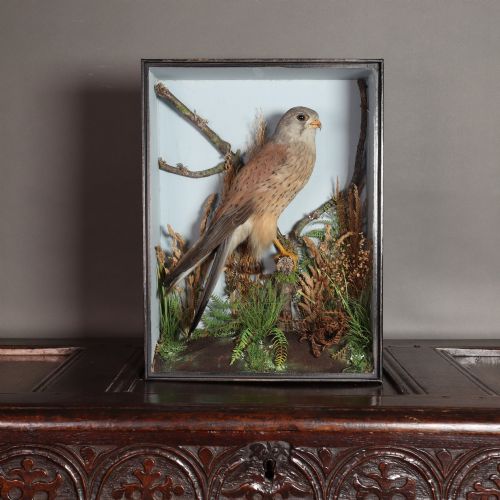
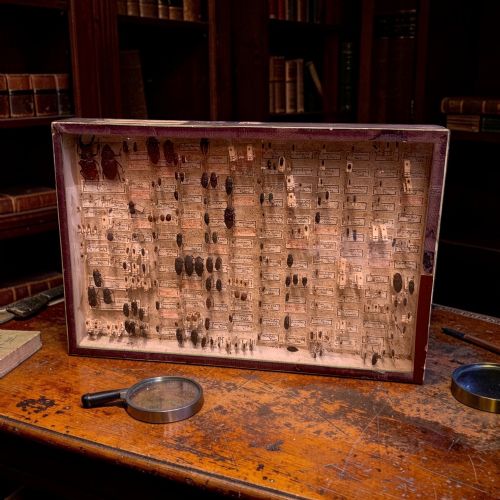
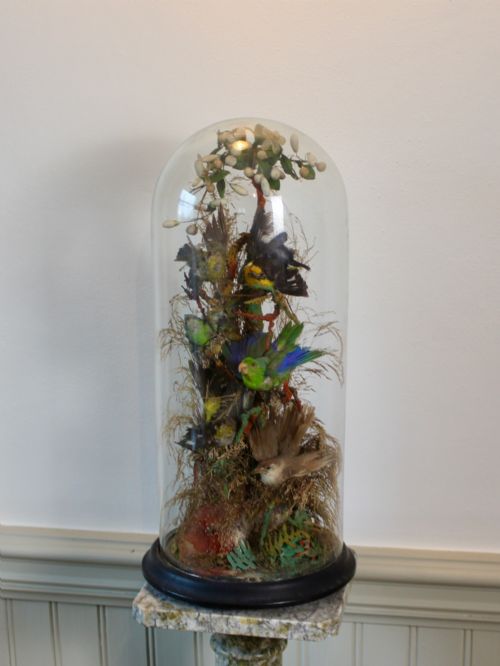
The most common forms on this page include taxidermy bird cases, glass display domes containing exotic birds or small mammals, and wooden entomology cabinets. Specimens range from native British wildlife to vibrant exotic birds originating from South America, Australia, and New Guinea.
Objects date primarily from the Victorian and Edwardian eras, spanning the latter half of the nineteenth century into the early twentieth century. Makers construct these displays to mimic natural habitats utilising painted backgrounds, moss, and foliage.
Materials and construction
Taxidermists mounted specimens over carved or wire armatures, preserving skins and feathers before arranging them within wooden and glass enclosures. Ebonised wood, mahogany, and oak form the structural frames and display bases for the preserved animals and coral collections.
Glass domes and glazed cases protect delicate feathers, paper labels, and preserved specimens from dust and humidity. Interiors often incorporate painted paper backdrops, dried moss, twigs, and artificial snow scenes to recreate a convincing naturalistic setting.
Victorian Natural History Display Retail Price Guide 2026
Typical asking prices for victorian natural history display among the pieces listed under this phrase on Sellingantiques today, from the lower quarter to the upper quarter. They describe what is for sale here now, not the wider market.
Listings feature nineteenth-century specimens including birds of paradise, coral, sea shells, and mammals housed in glass domes and wooden cases.
Factors influencing quality
Quality depends heavily on the skill of the taxidermist in rendering realistic postures and anatomical proportions that survive decades without plumage degradation. Works by established practitioners demonstrate superior taxidermy techniques and more elaborate environmental detailing.
The condition and clarity of the original glass dome or glazed case significantly affect the integrity of the piece. Displays featuring uncommon species or elaborate multi-bird compositions demonstrate greater ambition and historical interest than single specimens.
Little & Co·J Griffiths of Burford·James Gardner of London·Rowland Ward Ltd·T. E. Gunn·William Bazeley & Sons·Henry Ward London·S. King·A Pollard·Hutchings of Aberystwyth·James Jones of London·J. Cooper & Sons
The Victorian Natural History Display Glossary
- Taxidermy
- The art of preserving, stuffing, and mounting animal skins for display. Historic examples utilise arsenic-based soaps and wire frames to maintain anatomical shape.
- Ebonised wood
- Timber treated with a chemical stain or finish to imitate ebony. This dark finish provides a formal contrast against colourful bird plumage.
- Entomology case
- A shallow glazed wooden box designed to hold and protect insect collections. These boxes utilise cork lining to secure pins holding butterflies and beetles.
- Coco de Mer
- A large double coconut native to the Seychelles that appeared in cabinets of curiosities. Collectors prized these unusual botanical specimens for their biomorphic shape.
- Display dome
- A blown glass cover resting on a wooden base to protect fragile specimens. Flat-sided and tall domed variations both appear in nineteenth-century interiors.
Victorian Natural History Display: Frequently Asked Questions
Can I place taxidermy in direct sunlight?
Direct sunlight causes significant fading to natural feathers, fur, and painted background scenes over time. Position your display away from windows and south-facing light sources to preserve original colouration.
Room lighting should remain moderate and indirect. Incandescent or low-heat LED bulbs help protect organic materials from thermal damage during evening viewing.
How do I identify a Victorian case?
Examine the construction methods, glass type, and framing materials used in the enclosure. Nineteenth-century cases often feature hand-blown glass with minor bubbles, taped paper corner seals, and solid mahogany or ebonised pine frames.
Papers glued to the reverse frequently bear the handwritten or printed trade label of the taxidermist. Penny nails, old screws, and aged backing boards further assist in confirming period authenticity.
What is a cabinet of curiosities?
A cabinet of curiosities is a collection of eclectic objects spanning natural history, geology, and human artifice. Wealthy collectors gathered these items during the Victorian era to showcase global diversity and scientific curiosity.
These collections laid the groundwork for modern public museums. Today, displaying natural history specimens recreates that historic atmosphere of domestic exploration and wonder.