








Glass Taxidermy Display Case
When you want a glass taxidermy display case, you are looking for a Victorian or Edwardian vessel that preserves natural history specimens behind clear glass.
Glass Taxidermy Display Case
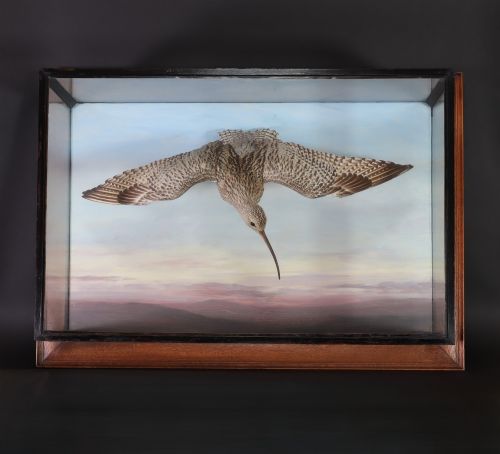
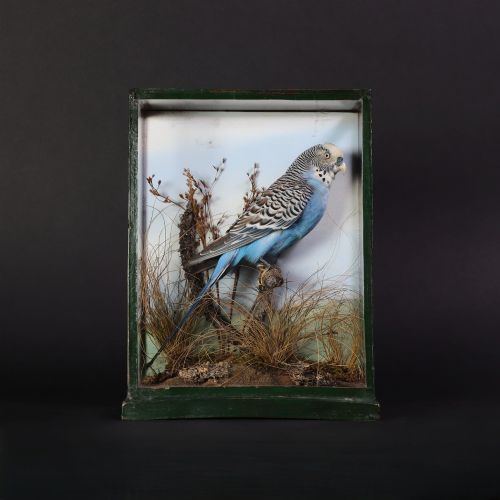
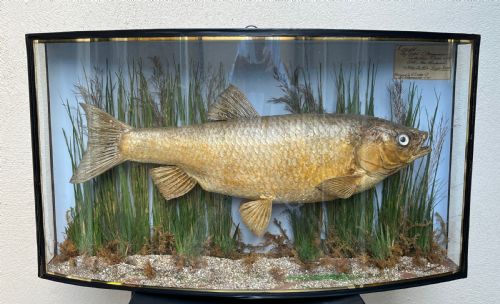
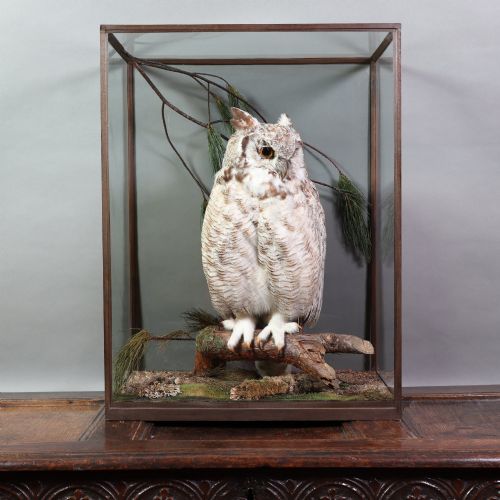
A glass taxidermy display case serves to protect and exhibit preserved birds, mammals, and natural specimens within a domestic interior. These pieces range from upright wooden wall cabinets to freestanding glass domes and flat-sided display boxes.
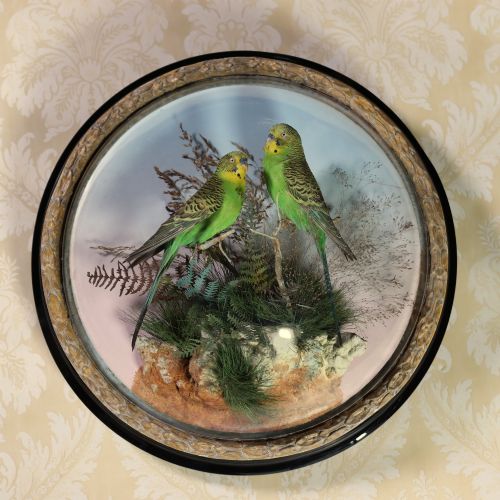
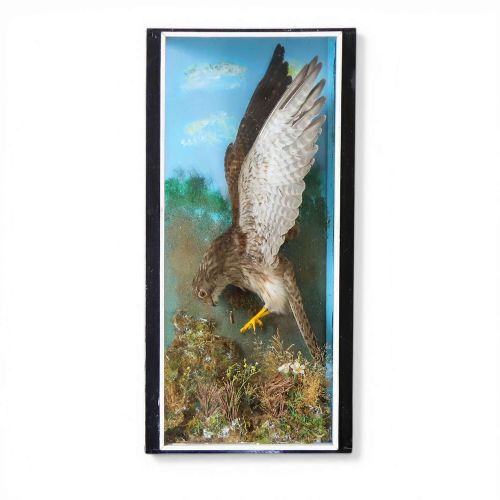
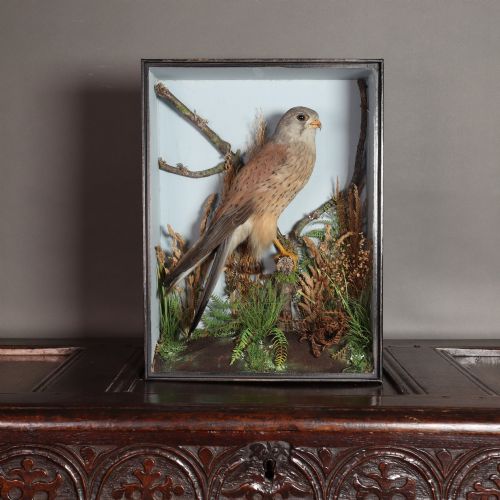
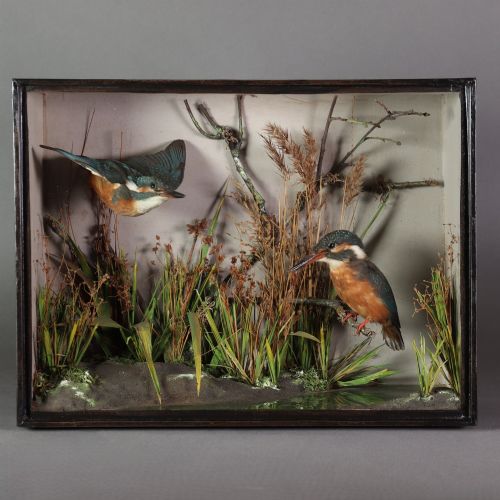
The selections encountered here originate primarily from the Victorian and Edwardian eras, spanning the late nineteenth century into the early twentieth century. Common formats include rectangular wall cases, oval dioramas, and bell-bottom glass domes housing birds or small animals in simulated habitats.
Materials and construction
Makers constructed the enclosures using clear blown or drawn glass fitted to wooden bases or frames made of ebonised wood, mahogany, oak, or pine. Interiors incorporate natural materials such as paper, fabric, moss, and feathers to build realistic environments for the specimens.
Taxidermists mounted birds and mammals upon these prepared foundations, arranging backgrounds with painted panels or natural specimens. Finished cases often sealed the environment to protect the delicate biological materials from dust and humidity.
Glass Taxidermy Display Case Retail Price Guide 2026
Typical asking prices for glass taxidermy display case among the pieces listed under this phrase on Sellingantiques today, from the lower quarter to the upper quarter. They describe what is for sale here now, not the wider market.
Listings feature enclosures spanning from the Victorian period through the Edwardian era and into the early twentieth century, utilising glass, wood, and natural specimens.
Distinctions in quality
The standard of a glass taxidermy display case depends heavily on the skill of the taxidermist in maintaining anatomical proportion and realistic posture in the specimen. Pieces produced by noted practitioners show superior taxidermy work and more complex naturalistic settings.
Cabinetry and glass quality also separate standard items from superior examples. Thicker glass, well-finished mahogany or ebonised wood frames, and intricate painted dioramas indicate higher workmanship.
Little & Co·Rowland Ward Ltd·T. E. Gunn·James Gardner·J Cooper & Sons·Davis & Co
The Glass Taxidermy Display Case Glossary
- Dome
- A curved glass cover used to protect and display fragile objects. These items typically sit upon a wooden or leather-lined base.
- Cloche
- A bell-shaped glass cover sharing a similar function to a display dome. The term originates from the French word for bell.
- Diorama
- A three-dimensional scene featuring taxidermy specimens arranged within a constructed naturalistic setting. Painted backdrops often enhance the illusion of depth.
- Ebonised wood
- Timber treated with a finish to imitate ebony. This dark surface treatment frequently appears on Victorian display cases and bases.
- Natural specimen
- An item sourced from nature, including birds, mammals, and botanical elements. These form the primary focal point of the display enclosure.
Glass Taxidermy Display Case: Frequently Asked Questions
Where should I place a taxidermy case?
Position your display away from direct sunlight and strong heat sources to prevent fading of feathers, fur, and painted backdrops.
Stable indoor humidity levels help protect the wooden frames and natural materials contained within the enclosure from warping or deterioration.
How are Victorian and Edwardian cases different?
Victorian examples frequently feature heavy ebonised wood bases, elaborate rockwork, and dense naturalistic foliage surrounding the specimen.
Edwardian pieces often display simpler mahogany or oak frames with lighter, more restrained interior compositions and cleaner lines.
Can the glass be removed?
Many nineteenth-century domes lift directly off their wooden bases, whilst others are permanently secured with paper tape or adhesives.
Check the perimeter of the base carefully to determine whether the glass cover is fixed before attempting to lift it.