


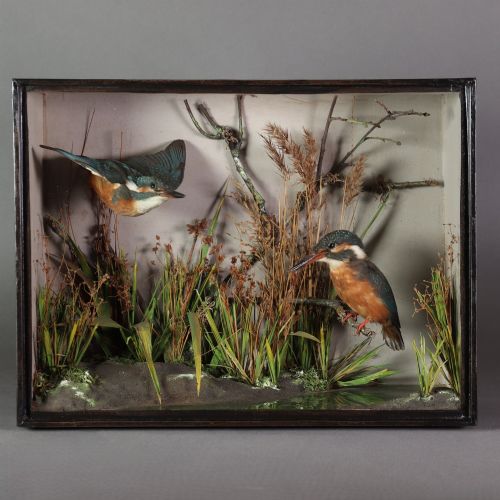


Wooden Taxidermy Display Case
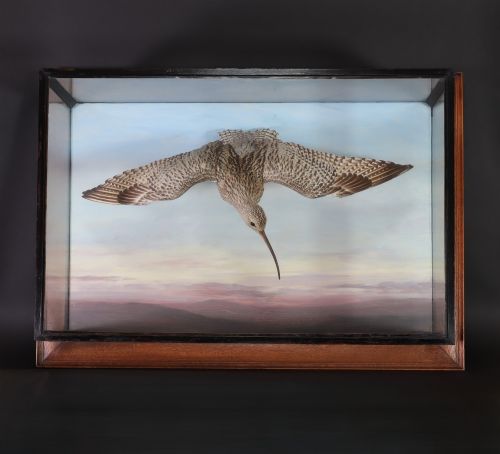
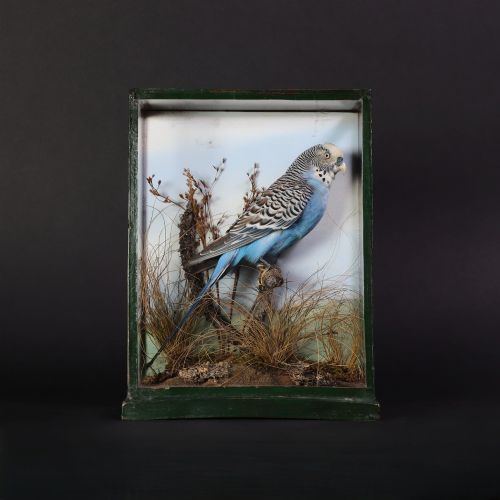
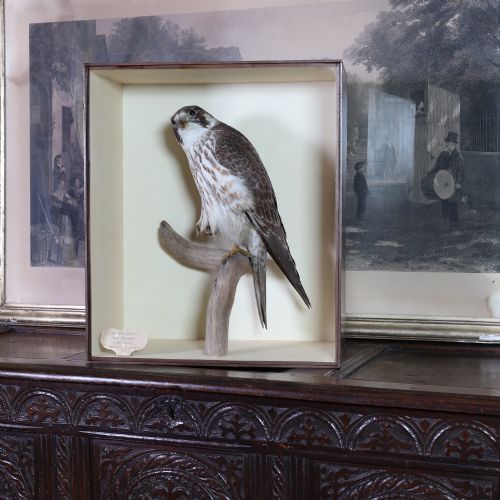
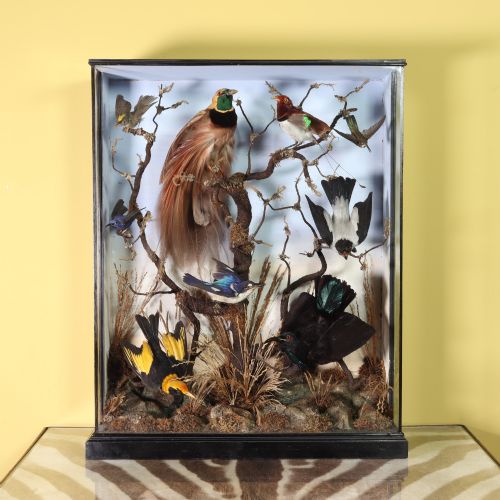
These wooden taxidermy display case examples shelter preserved specimens under glass, bringing natural history straight into the Victorian or Edwardian parlour.
Wooden Taxidermy Display Case
A wooden taxidermy display case bridges interior decoration and natural science, protecting mounted birds, mammals, and fish from dust. The items gathered under this phrase span upright wall cabinets, table cases, and glass domes with timber bases.
Most pieces seen here belong to the Victorian and Edwardian eras, reflecting a Victorian natural history and sporting obsession. You will encounter everything from small individual bird cases to large floor and wall units housing otters, badgers, and waterfowl.
What separates standard examples from important works
Quality rests heavily on the taxidermist's skill in rendering a natural posture and expression, alongside the complexity of the internal diorama. Cases containing multiple specimens or exotic birds from distant regions demand greater attention than single native species.
The joinery of the timber case and the clarity of the original glass pane also influence the piece. Well-documented workshop attributions elevate an object above anonymous domestic mountings.
Wooden Taxidermy Display Case Retail Price Guide 2026
Typical asking prices for wooden taxidermy display case among the pieces listed under this phrase on Sellingantiques today, from the lower quarter to the upper quarter. They describe what is for sale here now, not the wider market.
Even a fan-tailed pigeon or a pet dog received the full taxidermy treatment for the Victorian parlour.
J Griffiths of Burford·T E Gunn·S King·Hutchings of Aberystwyth·Rowland Ward of London·W F Homer London·J Dobson·Cooper and Sons
The Wooden Taxidermy Display Case Glossary
- Taxidermy
- The art of preparing, stuffing, and mounting the skins of animals for display. This forms the central focus of these natural history enclosures.
- Display Dome
- A blown glass bell cover sitting upon a wooden base to protect fragile specimens. These circular or oval protectors often house botanical elements or small birds.
- Cloche
- A bell-shaped glass cover used interchangeably with domes to showcase specimens on wooden plinths. The term originates from the French word for a bell.
- Specimen Case
- A wooden box with a glazed front or top designed to hold preserved animals or natural curiosities. These rectangular units hang on walls or rest on tabletops.
Wooden Taxidermy Display Case: Frequently Asked Questions
How do I clean the glass on a case?
Use a soft cloth and a gentle glass cleaner applied to the cloth rather than directly sprayed onto the wood or seals. Take care not to press too hard on older, thinner panes.
Keep moisture away from any exposed timber edges and aged paper labels inside the enclosure.
Where should I place these cases at home?
Position them away from direct sunlight to prevent the fading of feathers, fur, and painted interior backgrounds. Stable room temperatures protect the dried organic materials from humidity swings.
Shelves or sideboards with solid support suit the heavier wooden frames and glass combinations.
Are the interior backgrounds original?
Most Victorian and Edwardian dioramas retain their original painted skies, papered backdrops, and preserved moss. These elements were assembled by the taxidermist to mimic natural habitats.
Subsequent repairs or replacements of internal foliage occasionally happen during long conservation histories.
How do I tell Victorian cases from Edwardian ones?
Victorian examples frequently feature heavier Victorian or Victorian Sporting aesthetics with elaborate internal rockwork and dense foliage. Edwardian pieces often present cleaner lines in mahogany or oak, reflecting changing domestic tastes.
Label typography and framing styles also provide clues to the decade of manufacture.