




Natural History Specimen Case
A natural history specimen case holds preserved fauna and flora under glass, bringing the Victorian study of nature directly into a modern room.
Natural History Specimen Case
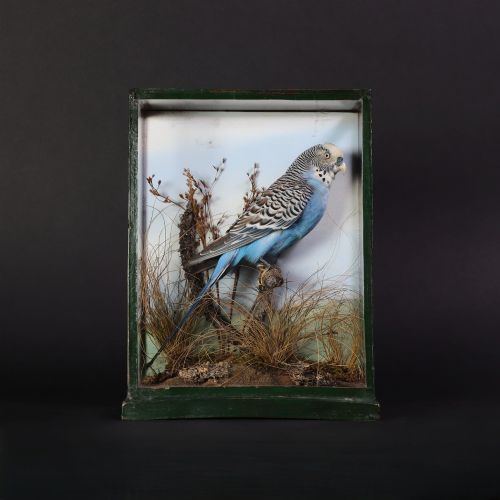
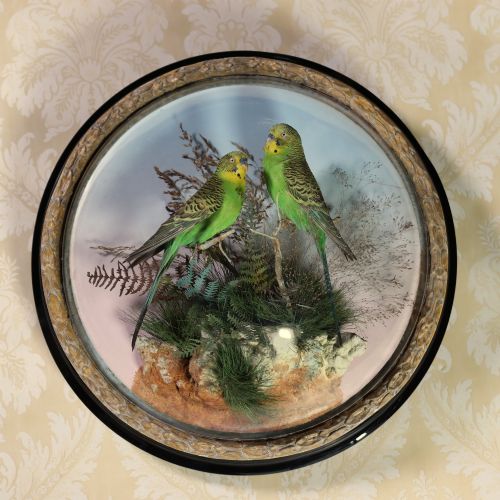
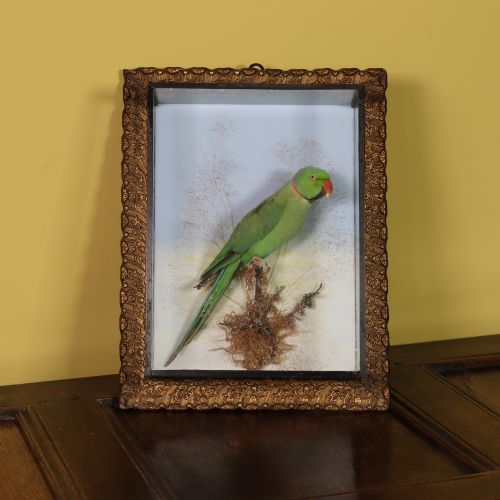
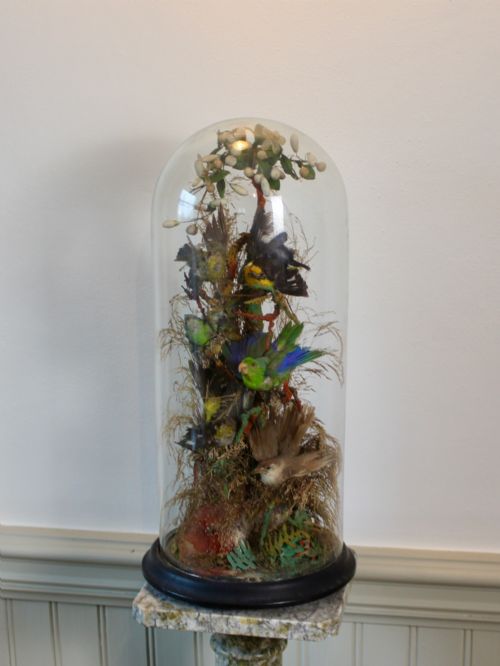
A natural history specimen case groups taxidermy, feathers, and shells within timber frames or glass domes for interior display. Most examples found here originate in the Victorian period and the early twentieth century.
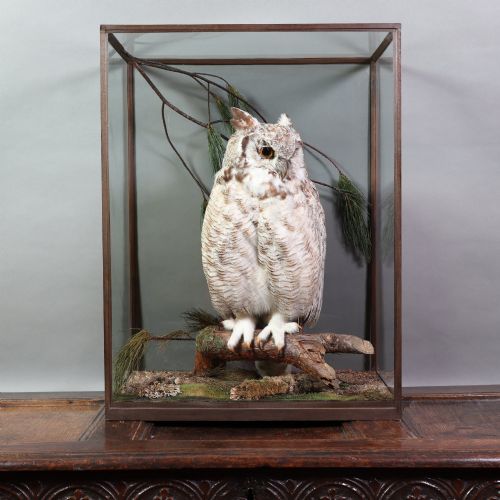
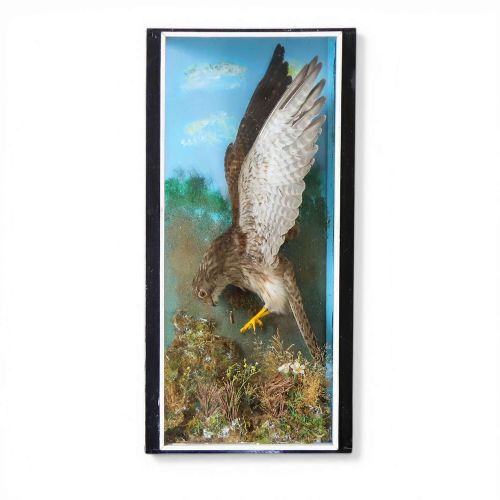
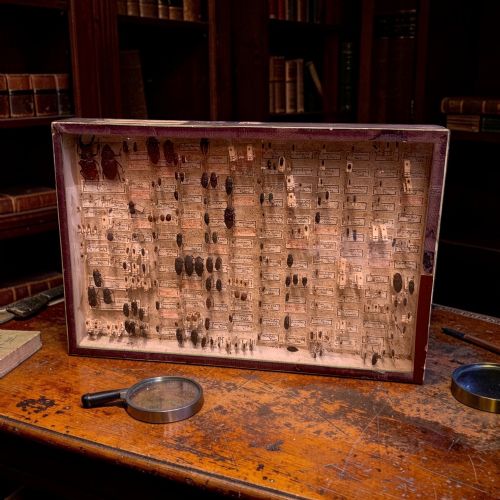
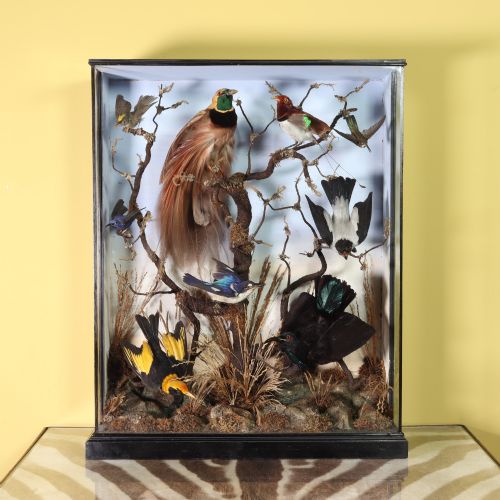
The objects range from single birds like owls, kestrels, and kingfishers to elaborate dioramas containing mixed foreign birds or entire aquatic scenes with fish. Collectors also encounter specialised entomology cases and mahogany shell cabinets designed to preserve delicate items.
Makers in this field include established London firms and regional taxidermists who supplied domestic studies with organised collections of nature. These pieces reflect a nineteenth-century fascination with natural philosophy and domestic display.
Materials and construction
Wood provides the structural framework for these displays, utilising painted pine, oak, and polished mahogany to house the specimens securely. Glass panels or blown glass domes protect the fragile contents from dust and atmospheric damage.
Internal compositions often incorporate preserved vegetation such as moss and paper elements to mimic natural habitats. Taxidermy specimens are mounted within these wooden and glass enclosures alongside natural materials like feathers and paper labels.
Natural History Specimen Case Retail Price Guide 2026
Typical asking prices for natural history specimen case among the pieces listed under this phrase on Sellingantiques today, from the lower quarter to the upper quarter. They describe what is for sale here now, not the wider market.
Listings for a natural history specimen case span the Victorian era through the 1940s, utilising wood, glass, feathers, and taxidermy specimens.
Judging quality and provenance
Quality rests upon the skill of the taxidermist and the complexity of the composition within the case. Work by recognised firms shows superior anatomical realism and careful arrangement of the preserved subjects.
The condition of the wooden case and the clarity of the original glass pane also influence the standing of a piece. Retaining original paper labels or attribution to a known maker elevates the historical interest of the object.
Rowland Ward Ltd·William Bazeley And Sons·James Gardner·J Cooper And Sons
The Natural History Specimen Case Glossary
- Taxidermy
- The art of preparing, stuffing, and mounting the skins of animals for display. This technique forms the primary medium for the birds and mammals seen in these cases.
- Diorama
- A three-dimensional scene depicting wildlife within a simulated natural environment. These constructions include painted backgrounds and preserved moss to create depth.
- Entomology case
- A specialised shallow box utilised for housing collections of insects. These secure containers protect delicate specimens from light and pests.
- Dome
- A rounded glass cover set upon a base to enclose a specimen display. This form allows a three-hundred-and-sixty-degree view of the taxidermy.
Natural History Specimen Case: Frequently Asked Questions
What is a natural history specimen case?
A natural history specimen case is a glazed wooden enclosure or glass dome housing taxidermy animals, birds, or natural specimens. These objects were originally assembled for study and display in nineteenth-century homes.
They combine taxidermy with preserved plants and paper elements to recreate natural environments for domestic interiors.
How can I tell the period of a case?
Victorian and Edwardian pieces typically feature hand-lettered paper labels, specific timber mouldings, and mouth-blown or early cylinder glass panels. Construction techniques such as traditional joinery help distinguish nineteenth-century examples from later work.
Maker signatures or labels pasted inside the wooden frames offer the most reliable dating evidence.
Where were these specimen cases displayed?
Nineteenth-century collectors placed these cases in studies, libraries, and drawing rooms as conversation pieces reflecting scientific curiosity. They served as desktop or cabinet displays for natural philosophy enthusiasts.
Today, collectors use them as focal points in contemporary interiors, placing them on sideboards or mounting them on walls.