


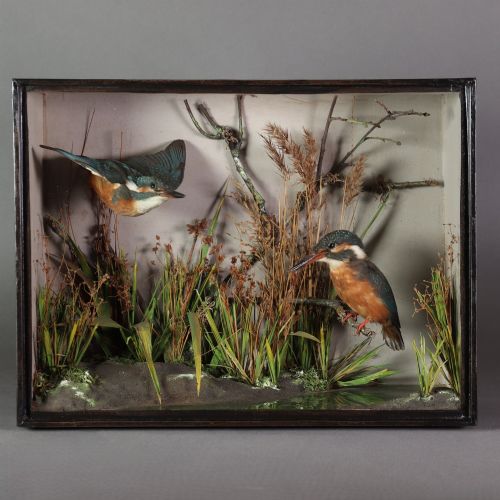


Cased Taxidermy Birds
Cased taxidermy birds bring domestic natural history indoors, offering preserved specimens framed in glass and wood to study up close.
Cased Taxidermy Birds
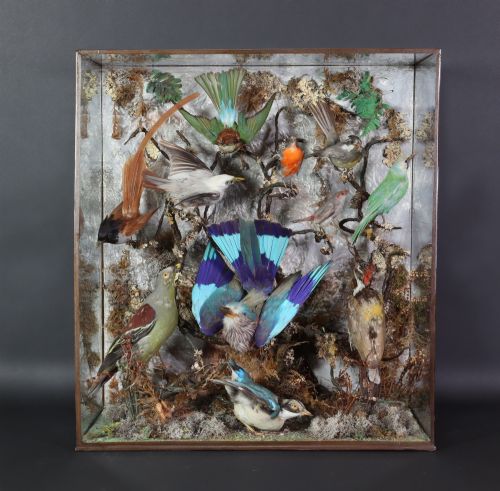
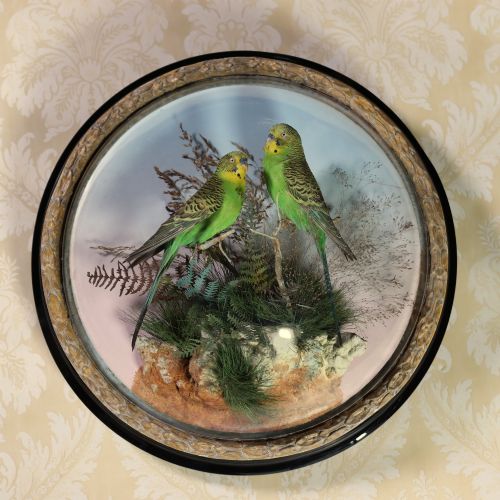
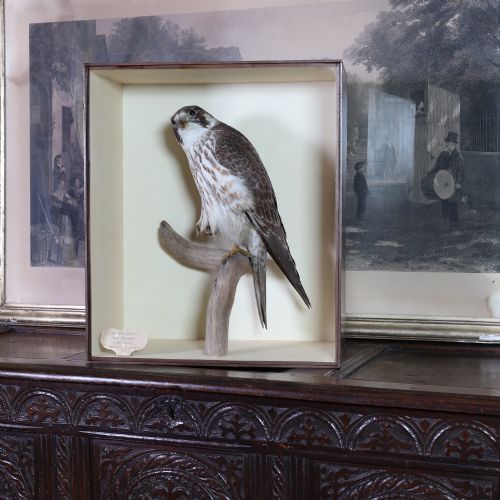
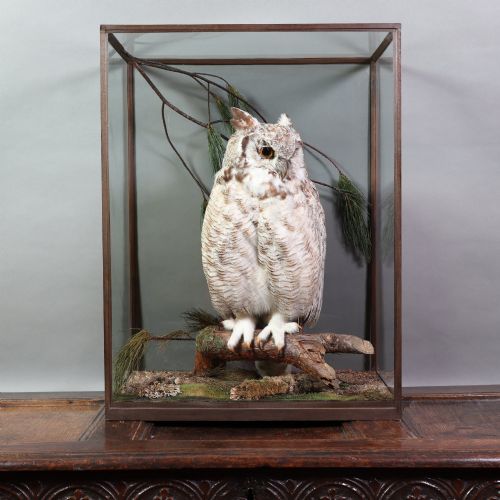
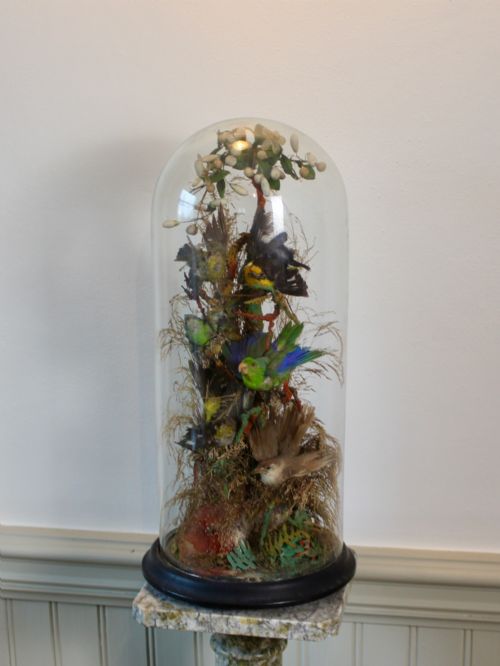
When you search for cased taxidermy birds, you encounter preserved specimens mounted inside glass displays, wooden cabinets, and glass domes. These pieces originate predominantly from the Victorian and Edwardian periods, capturing nineteenth and early twentieth century natural history interests.
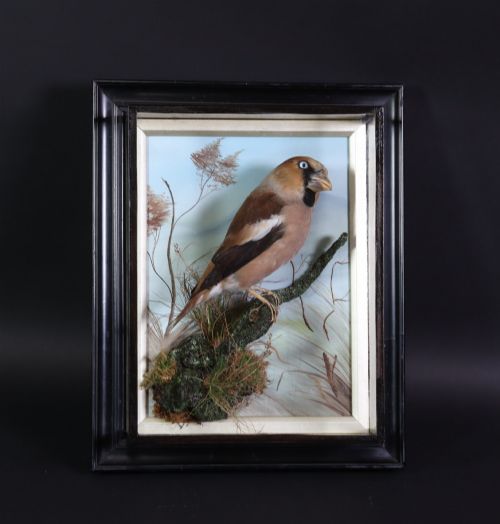
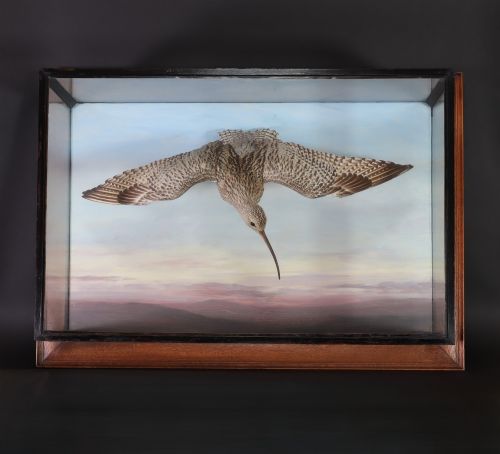
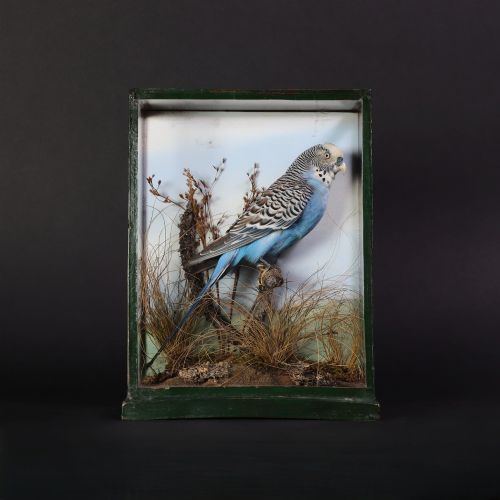
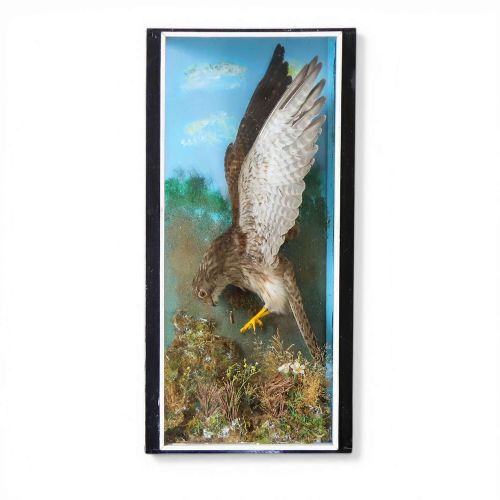
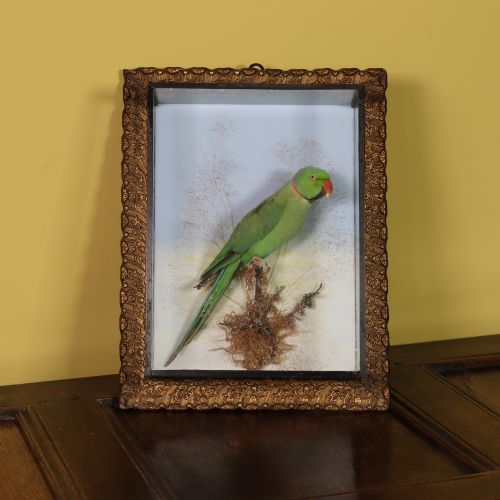
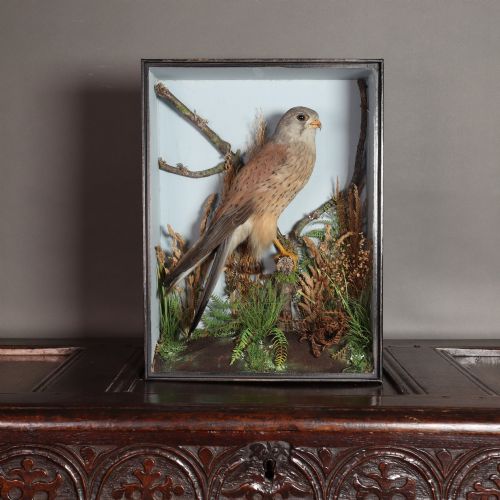
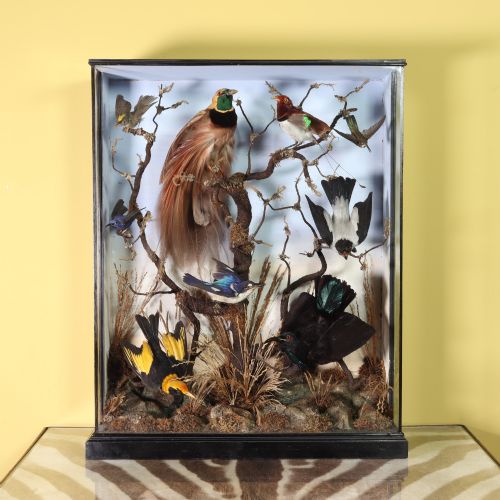
The selections available here range from single specimens like owls, kestrels, and parrots to complex dioramas containing multiple birds arranged amid painted backgrounds, paper foliage, moss, and snow scenes. You will regularly find regional British work alongside exotic species sourced globally.
How They Were Made
Makers constructed these displays using timber frames, ebonised wood, and glass panes to protect the delicate preserved specimens from dust and moisture. Many enclosures incorporate painted wooden backdrops and natural elements such as paper foliage, moss, and snow effects to recreate native habitats.
Taxidermists utilised specialised mounting techniques to shape the bird skins over artificial bodies, arranging feathers to mimic lifelike postures. Enclosures frequently took the form of rectangular wooden cases, flat-sided domes, or picture frame cases designed for wall hanging or tabletop display.
Cased Taxidermy Birds Retail Price Guide 2026
Typical asking prices for cased taxidermy birds among the pieces listed under this phrase on Sellingantiques today, from the lower quarter to the upper quarter. They describe what is for sale here now, not the wider market.
Listings span the Victorian and Edwardian eras, combining single British birds with multi-species compositions from New Guinea, South America, and Australia.
What Varies in Quality
The standard of a piece rests heavily on the taxidermist's skill in rendering natural anatomy, posture, and expression in the preserved specimen. Named makers working in established workshops often achieved superior lifelike arrangements compared to anonymous trade output.
Detail within the diorama setting also dictates quality, distinguishing simple mounts from elaborate compositions featuring painted backgrounds, varied botanical elements, and multiple species. The construction and finish of the surrounding wood case or glass dome further influence the overall calibre.
J Griffiths of Burford·Rowland Ward Ltd·T. E. Gunn·William Bazeley & Sons·James Gardner·W.F. Homer London
The Cased Taxidermy Birds Glossary
- Taxidermy case
- A glazed wooden enclosure built to house and protect preserved animal specimens. These protective boxes range from simple oak frames to elaborate painted dioramas.
- Taxidermy dome
- A curved glass cover set onto a wooden base to display preserved specimens under glass. They often feature flat sides or traditional round profiles.
- Ebonised wood
- Timber treated with a dark finish to resemble ebony, frequently utilised for Victorian display frames and cabinet bases. This dark treatment creates a formal contrast with the specimens inside.
- Diorama
- A three-dimensional scene featuring taxidermy specimens arranged against a painted backdrop with artificial or preserved foliage. These settings recreate natural environments for the birds.
- Natural history specimen
- An animal or plant preserved for scientific study, education, or decorative display. These items formed a central part of Victorian domestic collections.
Cased Taxidermy Birds: Frequently Asked Questions
Where should I place cased birds at home?
Position cases away from direct sunlight and strong heat sources to prevent the fading of plumage and painted backgrounds. Stable indoor environments help preserve the timber and glass frames.
Many collectors place them on sideboards or within curiosity cabinets alongside other natural history specimens. Wall-mounted picture frame cases suit narrower spaces where shelf room is limited.
How can I date a taxidermy display?
Examine the style of the wooden case, framing materials, and any handwritten labels attached to the back or base. Victorian pieces often feature ebonised wood or heavy timber frames, while Edwardian examples show varied cabinetry.
Maker signatures, trade labels pasted inside the glass, and historical records provide the most accurate dating evidence. Construction methods like hand-cut glass and older fixings also indicate nineteenth-century origins.
Why do some cases include painted backgrounds?
Painted backdrops provided depth and realism to multi-bird dioramas, placing the specimens within their native environments. Artists rendered skies, trees, and landscapes behind the mounted subjects.
These painted scenes complement physical elements like moss, paper foliage, and snow effects. They reflect the Victorian desire to display animals within a narrative or ecological context.