







Natural History Cabinet Curiosity
A natural history cabinet curiosity brings the wild, strange world indoors, offering a tactile piece of scientific history for the home.
Natural History Cabinet Curiosity
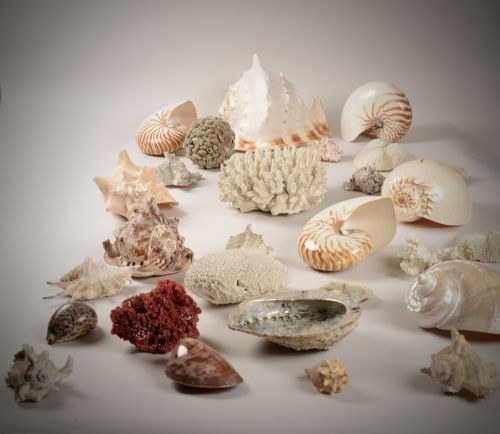
When you search for a natural history cabinet curiosity, you encounter preserved specimens, taxidermy, fossils, and scientific teaching aids gathered from the natural world. These items reflect an era when collectors displayed shells, corals, bones, and pinned insects within domestic interiors.
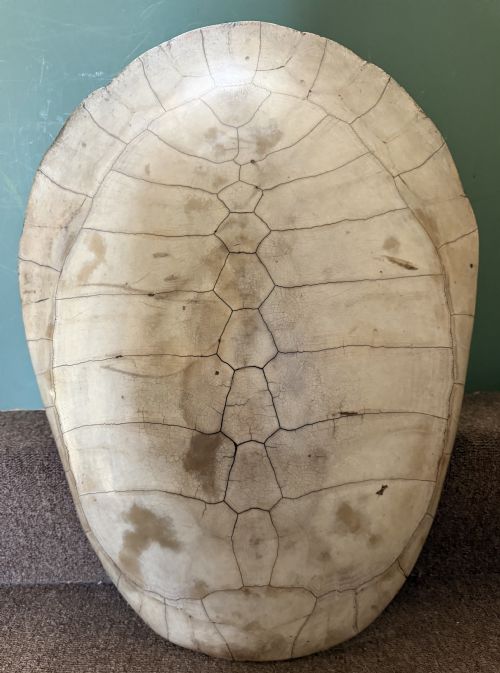
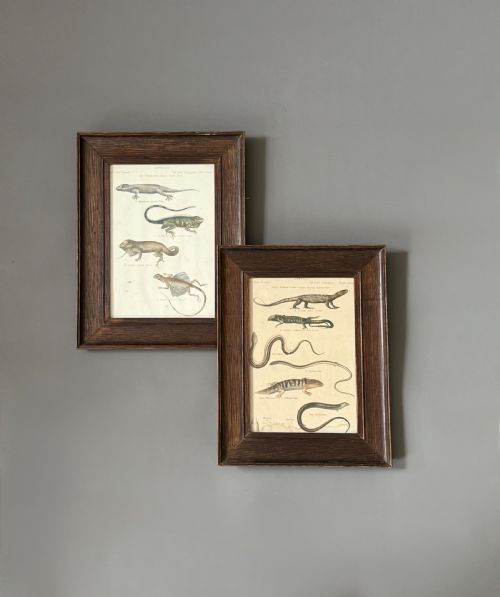
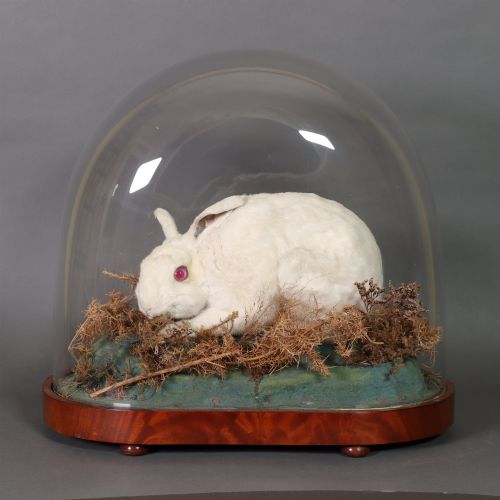
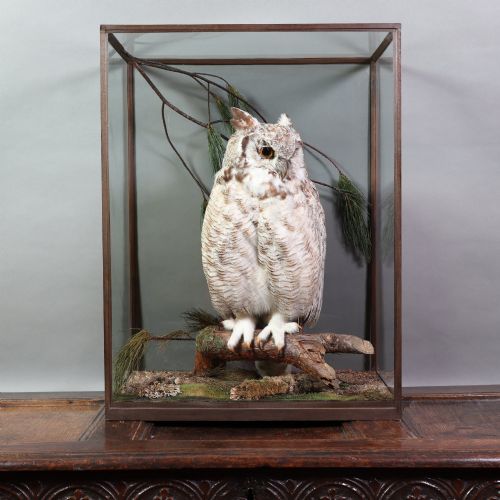
You are most likely to meet Victorian and early twentieth-century examples on this page, spanning taxidermy display cases, glass domes, framed prints, and skeletal remains. Common forms include owls, parrots, butterflies, and large seed pods housed in wood and glass.
The objects originate from nineteenth-century expeditions, educational institutions, and private collections, bringing tangible records of global fauna and geology into the study or living room.
Factors of quality
Quality rests upon the skill of the taxidermist or maker, the original condition of the biological specimen, and the integrity of its housing. Well-preserved plumage, intact anatomical structure, and original glass domes elevate an individual piece.
The provenance and documentation associated with known practitioners or institutional teaching collections distinguish finer examples from standard decorative specimens.
Natural History Cabinet Curiosity Retail Price Guide 2026
Typical asking prices for natural history cabinet curiosity among the pieces listed under this phrase on Sellingantiques today, from the lower quarter to the upper quarter. They describe what is for sale here now, not the wider market.
Listings feature materials including glass, wood, feathers, bone, paper, ebonised wood, metal, and horn across nineteenth-century and early twentieth-century periods.
James Gardner of London·Rowland Ward Ltd·Henry Ward London·A Pollard·Hutchings of Aberystwyth
The Natural History Cabinet Curiosity Glossary
- Taxidermy
- The art of preparing, stuffing, and mounting the skins of animals for display. Victorian practitioners arranged birds and mammals in naturalistic settings.
- Ebonised wood
- Timber treated to resemble ebony, frequently utilised for Victorian display bases, frames, and cabinet framing.
- Entomology case
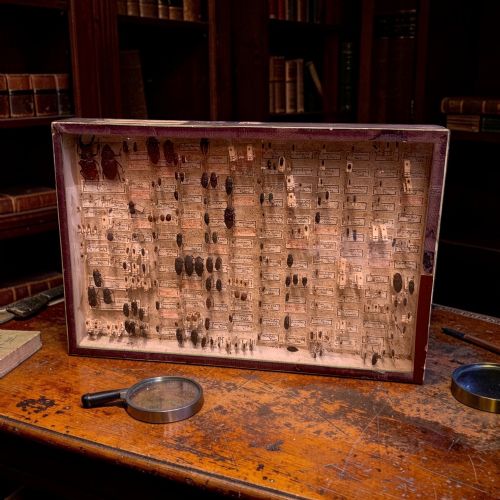
- A shallow wooden box fitted with a glass lid for housing pinned insect specimens such as butterflies and beetles.
- Coco de mer
- A large double coconut seed pod native to the Seychelles, prized by collectors as a natural curiosity since the seventeenth century.
- Osteology
- The scientific study of bones, represented in collections by animal skulls, horns, and fossilised teeth.
Natural History Cabinet Curiosity: Frequently Asked Questions
What is a natural history curiosity?
A natural history curiosity is an antique specimen from the natural world, including taxidermy, fossils, shells, and teaching models preserved for study and display.
These items formed part of nineteenth-century collections housed in cabinets of curiosity by Victorian naturalists and scholars.
How were glass domes used?
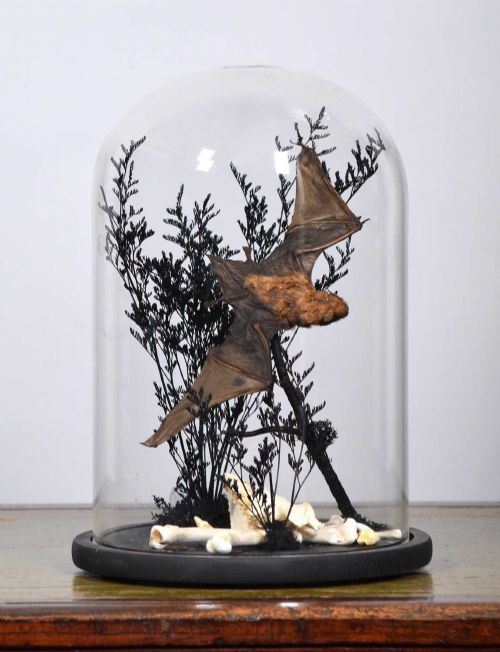
Glass domes protected fragile taxidermy mounts and delicate bird specimens from dust, moisture, and handling.
They sat upon wooden or ebonised bases, often featuring blown glass that created a clear capsule for colourful birds of paradise or owls.
How do I care for taxidermy?
Keep taxidermy specimens out of direct sunlight to prevent feather and fur fading. Maintain stable room temperatures away from moisture.
Dust glass cases gently with a soft cloth and avoid opening sealed domes to protect the historical interior.
How are periods identified?
Periods are identified through construction styles, taxidermy techniques, and framing materials. Victorian pieces often use ebonised wood and hand-written labels.
Later Edwardian and early twentieth-century examples show shifts in housing styles and educational publishing formats.