



Antique Bird Display
These pieces capture avian forms through taxidermy, painted ceramics, and enamel work, offering a tangible link to historical natural history.
Antique Bird Display
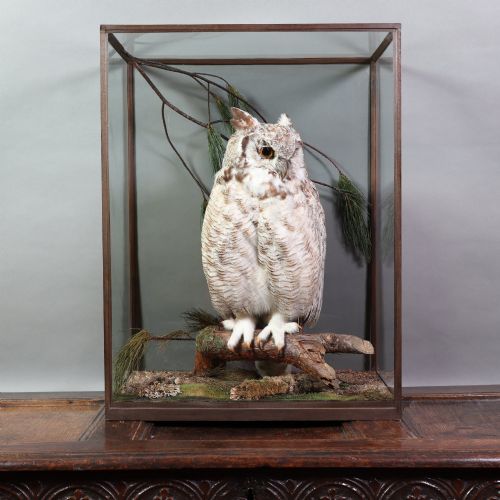
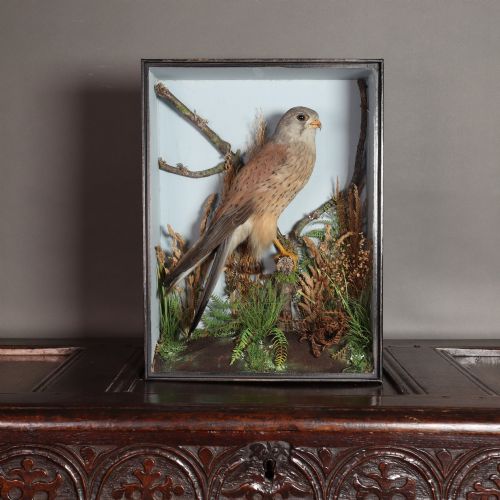
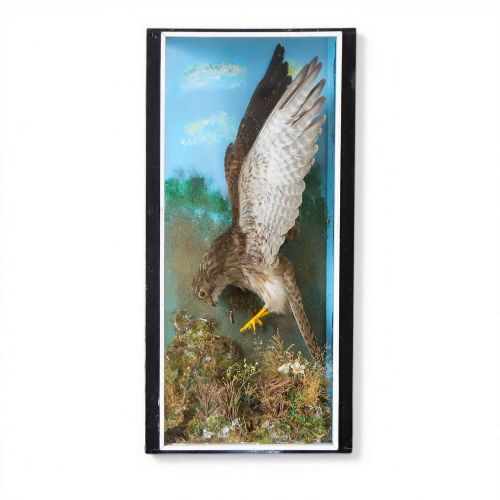
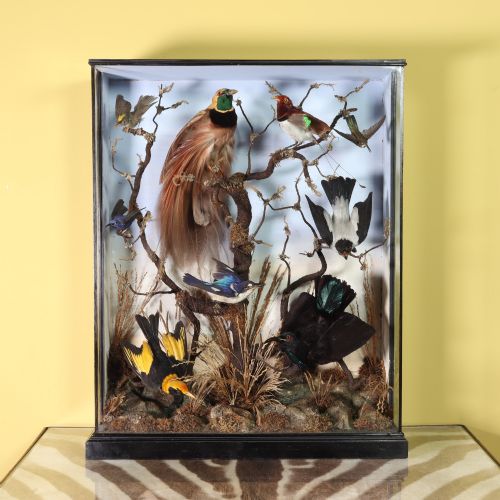
When people search for antique bird display, they encounter two distinct traditions: preserved taxidermy specimens mounted in glass cases or domes, and ceramic or metal plates and bowls painted with ornithological subjects. The Victorian era dominates these selections, yielding everything from single owls and kestrels to complex dioramas and New Guinea exotica.
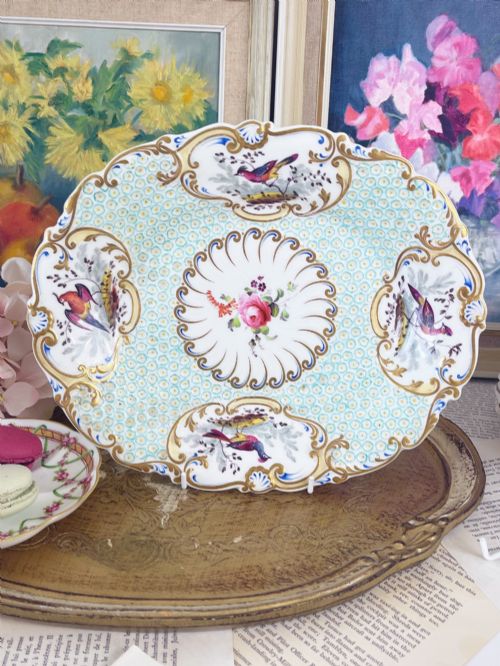
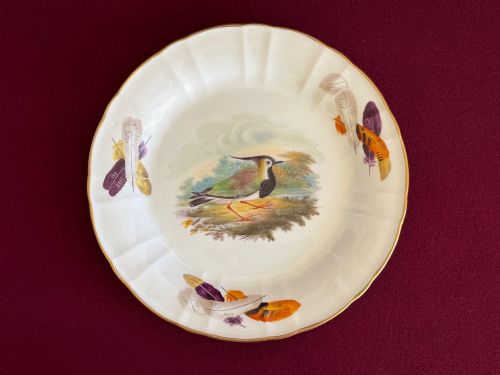
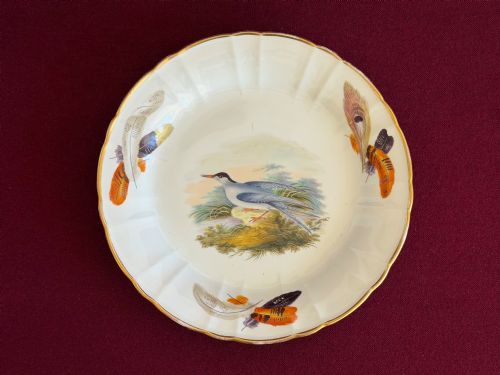
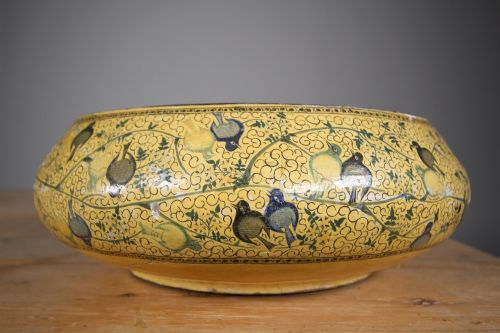
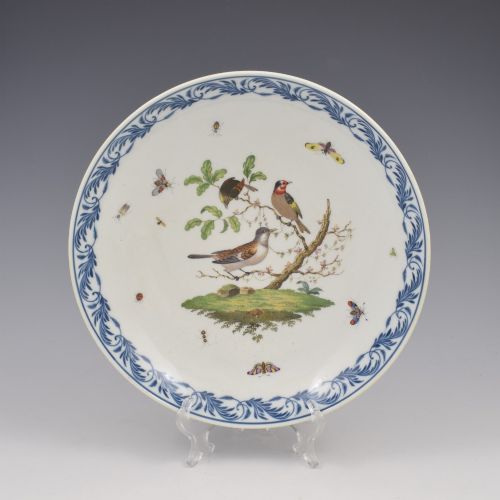
Ceramic forms include hand-painted plates, dessert dishes, and chargers originating from English potteries like Wedgwood and Minton, alongside European manufactories such as Meissen. Japanese Meiji period Imari and cloisonné chargers frequently present exotic birds, phoenixes, and ibises across porcelain and enamel surfaces.
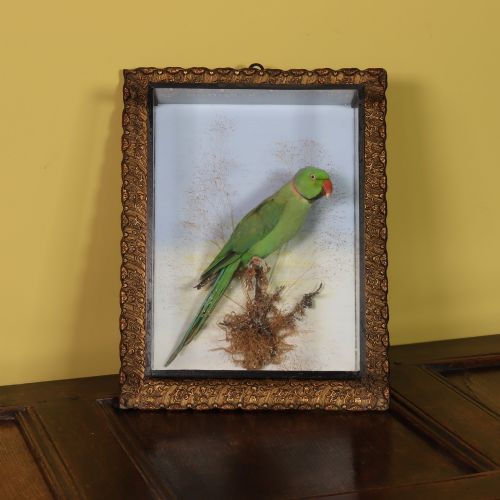
Taxidermy items span simple wooden frames, oak cases, and glass domes housing kingfishers, jays, and birds of paradise. These varied objects reflect a nineteenth and early twentieth-century fascination with natural history, translating avian biology into domestic decoration.
Materials and construction
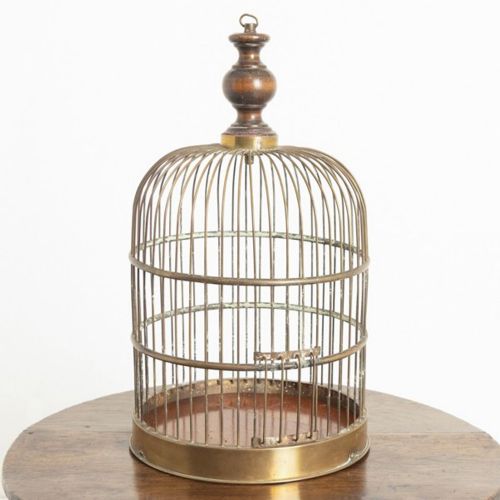
Taxidermy displays rely on preserved feathers, wire frameworks, and naturalistic settings constructed from foliage, twigs, and painted backdrops. These specimens find protection within glass domes, picture frame cases, or wooden cabinets featuring brass fixtures.
Ceramic and enamel pieces utilise porcelain, bone china, and metal bases decorated with hand-painted glazes, enamel colours, and occasional gold leaf. Cloisonné works employ fine metal wires to outline the plumage of birds before filling the cells with coloured enamel pastes.
Listings feature taxidermy cases, glass domes, bone china plates, and cloisonne enamel chargers from the Victorian and Edwardian eras.
Factors determining quality
The standing of a taxidermy display depends heavily on the taxidermist responsible for the work, with recognised names commanding attention for their anatomical accuracy and lifelike staging. The complexity of the composition, from a single bird to multi-specimen dioramas with original glass and housing, dictates desirability.
In ceramic and enamel works, the finesse of the hand-painting separates standard production from exceptional pieces. Crisp detailing in the feathers, vibrant enamelling, and the preservation of the glaze without restoration determine the merit of plates, chargers, and vases.
Rowland Ward Ltd·T E Gunn·Henry Ward London·William Bazeley And Sons·J Griffiths Of Burford
The Antique Bird Display Glossary
- Taxidermy
- The art of preserving, stuffing, and mounting animal skins for display. Historic examples utilise traditional arsenic soaps and wire armatures inside glass cases.
- Charger
- A large decorative plate utilised for display rather than dining. These often feature detailed hand-painted or cloisonné bird scenes.
- Diorama
- A three-dimensional scene depicting wildlife within a naturalistic setting. These are typically enclosed in glass-fronted wooden cases to protect the delicate feathers.
- Cloisonné
- An enamelling technique where metal wire is soldered to a base to create compartments for enamel paste. Japanese examples often depict phoenixes and herons using this method.
- Bone china
- A type of soft-paste porcelain incorporating bone ash. It provides a bright white background ideal for handpainted ornithological studies.
Antique Bird Display: Frequently Asked Questions
What is an antique bird display?
An antique bird display encompasses preserved taxidermy specimens housed in glass cases, alongside decorative ceramics and enamel plates featuring painted avian subjects. These pieces date primarily from the nineteenth and early twentieth centuries.
They reflect historical approaches to natural history, interior decoration, and artistic craftsmanship. Collectors find them in forms ranging from single framed birds to large porcelain chargers.
How were taxidermy birds preserved?
Taxidermists skinned the birds, treated the hides with chemical preservatives, and mounted them over wire and body forms. They then arranged the specimens within naturalistic settings.
Enclosures like glass domes and wooden cases protected the fragile feathers from dust, moisture, and pests over the decades.
How do I care for a taxidermy display?
Keep displays out of direct sunlight to prevent the fading of plumage and painted backgrounds. Stable indoor temperatures and low humidity protect the delicate organic materials.
Avoid opening sealed glass cases or domes, as altering the internal environment can introduce humidity or pests that damage the feathers.
How do I identify Meiji period bird plates?
Japanese Meiji period plates often feature Imari palettes or cloisonné enamel work depicting exotic birds, phoenixes, and cranes. The porcelain bodies typically show the dense hand-painting characteristic of late nineteenth-century export wares.
Many pieces bear signatures or makers' marks on the reverse, alongside distinct potting characteristics from kilns active during that era.