



Antique Stuffed Bird
These antique stuffed bird specimens bring the quiet drama of Victorian natural history straight into a room.
Antique Stuffed Bird
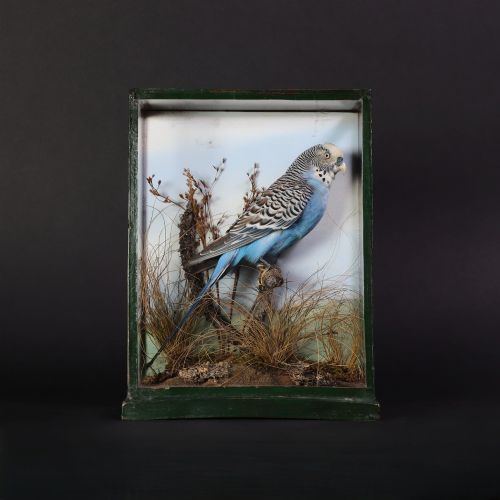
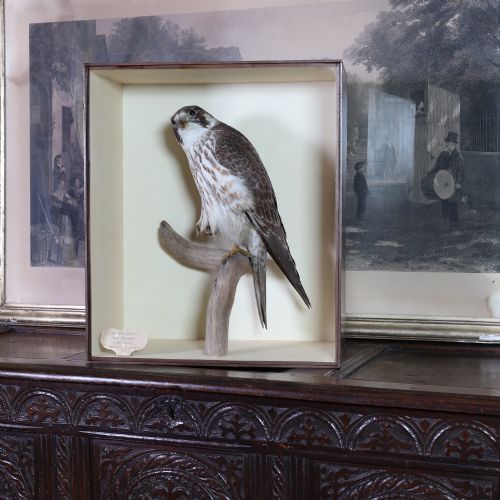
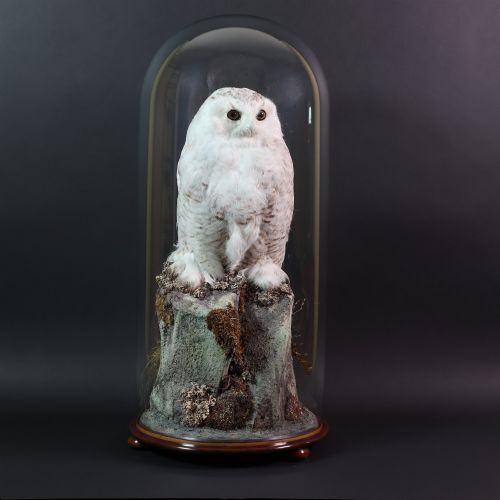
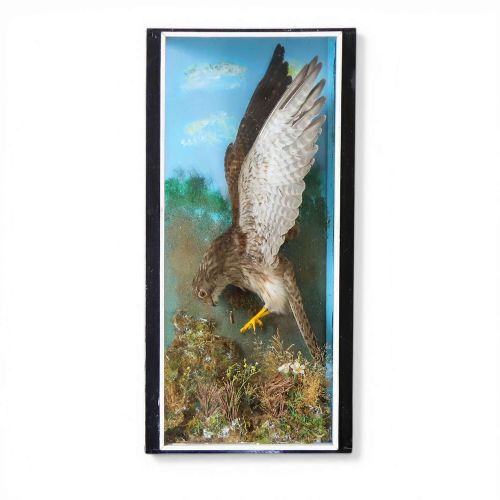
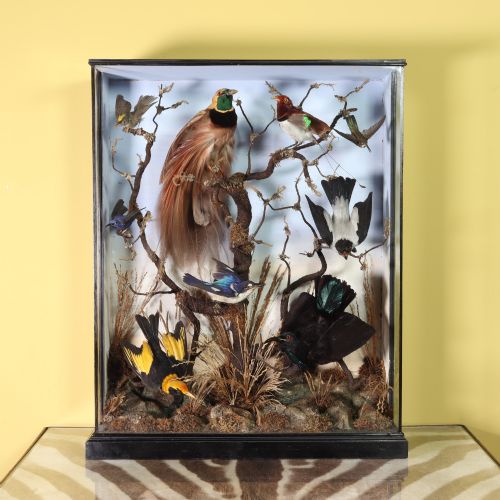
An antique stuffed bird specimen captures the Victorian appetite for natural history through preserved specimens housed in glass domes, flat-sided domes, and painted wooden cases. Buyers looking for an antique stuffed bird encounter various historical setups, from single mounts of kestrels, herons, and white pheasants to complex dioramas containing mixed birds from New Guinea, South America, and Australia.
The objects frequently originate from the Victorian and Edwardian eras, stretching from the late 19th century into the early decades of the 20th century. Common forms include specialised display cases, elaborate snow scenes with waxwings, and pairs of birds such as little owls and snow buntings arranged by period practitioners.
The selection ranges from large river and sea birds like great cormorants and shoveler ducks to exotic birds of paradise and parrots. Most pieces rely on traditional wooden and ebonised frames paired with glass protection to preserve the delicate feathers inside.
Materials and Construction
Taxidermy specimens utilise preserved feathers, timber, and paper within protective glass enclosures. Ebonised wood and plain wood serve as the primary materials for the cases and bases that house the mounts.
Makers integrated natural flora and painted backdrops inside the enclosures to recreate the native habitats of species like the kestrel or the snow bunting. Curved glass domes and flat-sided glass fronts kept dust away from the fragile biological material while offering clear viewing angles.
Antique Stuffed Bird Retail Price Guide 2026
Typical asking prices for stuffed bird among the pieces listed under this phrase on Sellingantiques today, from the lower quarter to the upper quarter. They describe what is for sale here now, not the wider market.
Listings feature specimens housed in timber, ebonised wood, and glass, spanning the Victorian period through to the early 20th century.
Distinctions in Quality
Quality rests upon the skill of the taxidermist in rendering a natural posture and anatomical proportion for species such as the kingfisher, heron, or African Grey parrot. Superior examples display life-like positioning of the plumage and meticulous arrangement of the surrounding flora.
The enclosure itself dictates much of the stature of a piece, with heavy timber frames, painted interior dioramas, and well-fitted glass domes separating standard mounts from more ambitious historical showcases.
Henry Ward London·A Pollard·James Gardner
The Antique Stuffed Bird Glossary
- Taxidermy display
- A preserved animal specimen prepared for exhibition. These enclosures protect fragile feathers from environmental damage.
- Ebonised wood
- Timber treated to resemble ebony. This dark finish provides a formal border for Victorian natural history specimens.
- Diorama
- A three-dimensional scene featuring specimens set against a painted background. Such arrangements depict birds within simulated natural habitats.
- Dome
- A curved glass cover resting on a wooden base. This housing protects delicate mounts while allowing all-round visibility.
Antique Stuffed Bird: Frequently Asked Questions
How should I display my antique stuffed bird at home?
Keep the piece away from direct sunlight and high humidity to protect the delicate feathers and paper components from fading or deterioration.
Position the dome or case on a stable surface where the surrounding flora and the posture of the specimen can be appreciated from multiple angles.
What periods do these taxidermy specimens come from?
The available pieces span the Victorian and Edwardian periods, extending into the early 20th century.
Most examples date from the late 19th century through to approximately 1930, reflecting shifting styles in natural history preservation.
Are the display cases usually made of wood and glass?
Many specimens utilise timber, ebonised wood, and paper alongside protective glass domes or rectangular wooden cases.
Some iterations feature flat-sided glass covers or painted wooden interiors designed to mimic natural environments.
Can I find exotic birds alongside British species?
The selection includes both familiar local birds and exotic species sourced from distant regions.
Examples range from British kestrels and herons to birds of paradise originating from New Guinea, South America, and Australia.