

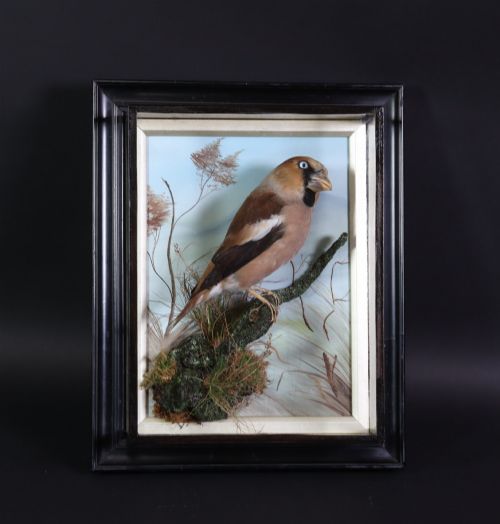
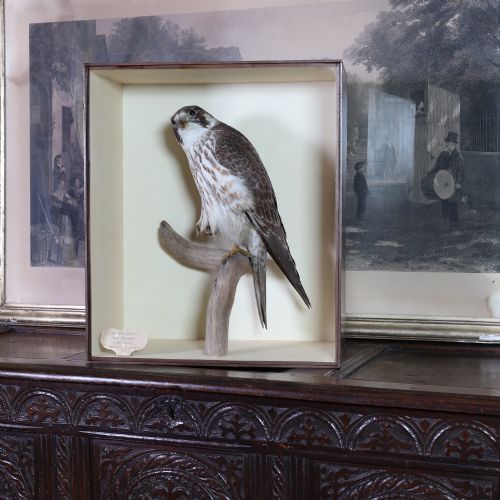
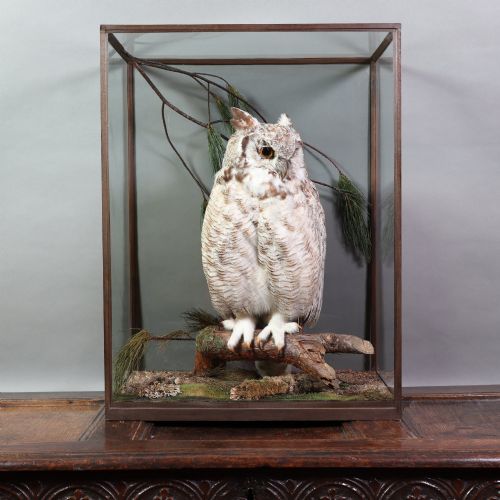


Cabinet of Curiosities Bird
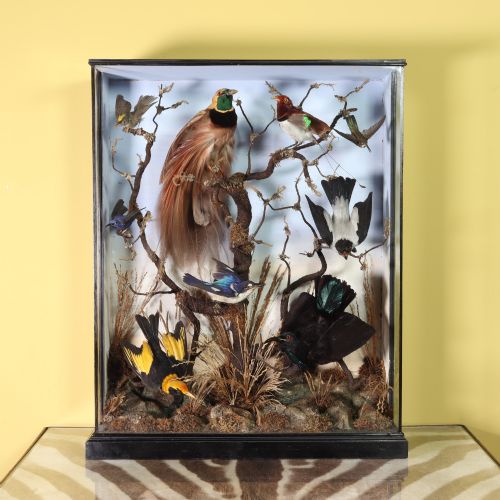
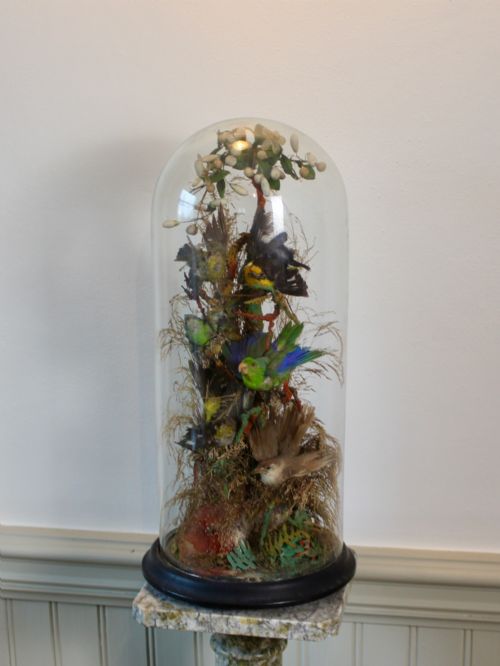
These cabinet of curiosities bird specimens bring the rich tradition of Victorian natural history directly into the modern interior.
Cabinet of Curiosities Bird
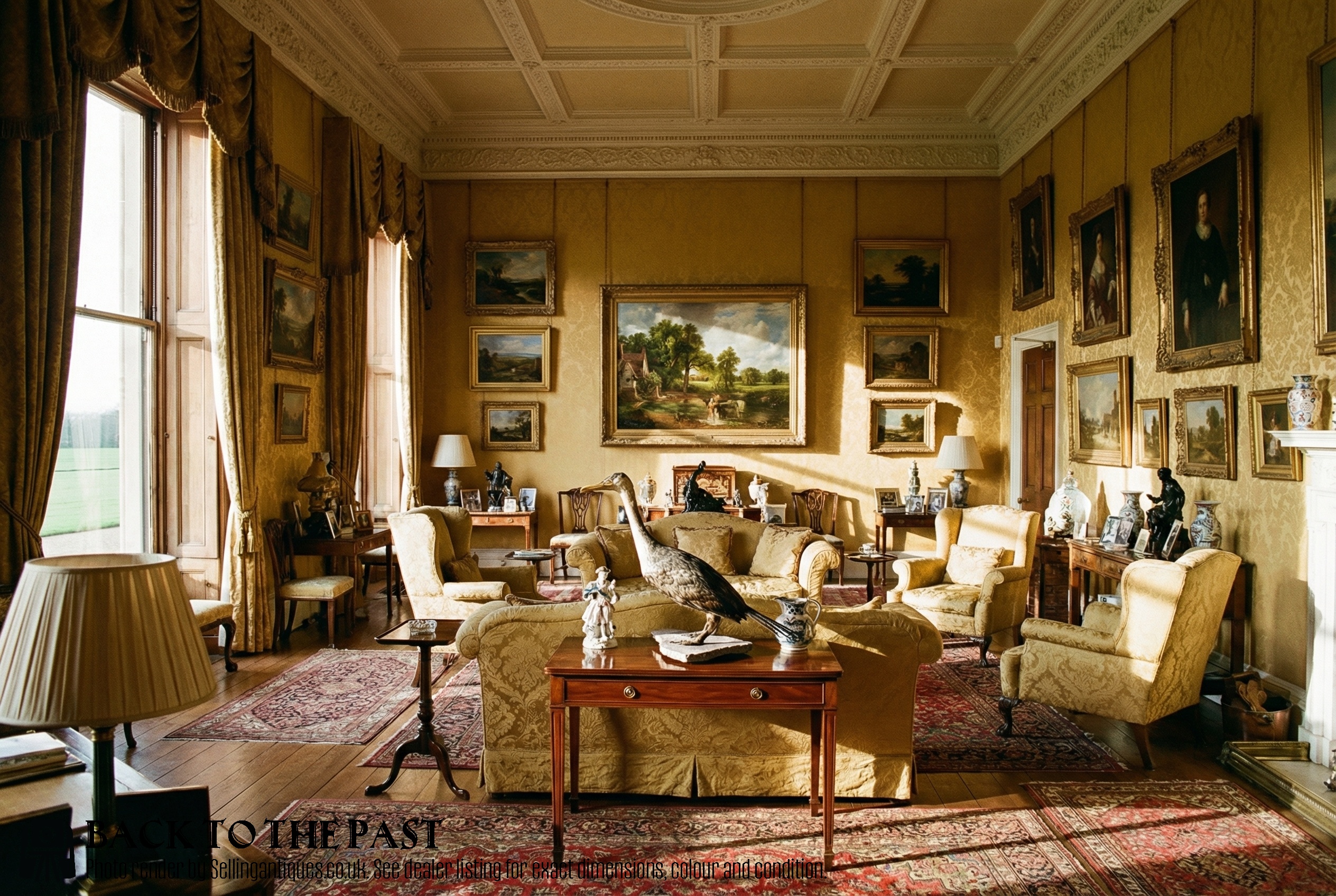
A cabinet of curiosities bird represents the Victorian passion for natural history and taxidermy specimens. These preserved birds offer a direct window into early twentieth-century collection practices and domestic display.
The pieces listed here date from the 1910 and 1920 periods. They include both the great cormorant and the African grey parrot forms.
How they were made
Makers utilised actual feathers mounted securely onto structured forms. These taxidermy specimens incorporate natural materials gathered from the natural world.
Each subject is presented upon a slate base or housed within glass enclosures. Wood forms part of the structural support for these displays.
Cabinet of Curiosities Bird Retail Price Guide 2026
Typical asking prices for cabinet of curiosities bird among the pieces listed under this phrase on Sellingantiques today, from the lower quarter to the upper quarter. They describe what is for sale here now, not the wider market.
An African grey parrot stands ready to offer unsolicited conversational advice from another century.
What varies in quality
The sophistication of the taxidermy work dictates the overall standard of the specimen. Natural posture and anatomical preservation distinguish the finer examples from simpler preparation methods.
The integration of the slate base and glass housing affects the visual appeal. Material selection in the mounting elements separates standard specimens from more accomplished historical pieces.
The Cabinet of Curiosities Bird Glossary
- Taxidermy specimen
- The art of preserving and mounting an animal's skin for display. This technique forms the foundation of natural history collections.
- Slate base
- A flat foundation of fine-grained metamorphic rock used to anchor the specimen securely. It provides a stable and heavy footing for the display.
- Victorian natural history
- The nineteenth- and early twentieth-century cultural movement focused on collecting and studying biological specimens. This era defined domestic displays of taxidermy.
Cabinet of Curiosities Bird: Frequently Asked Questions
What is a cabinet of curiosities bird?
A cabinet of curiosities bird is a preserved taxidermy specimen from the Victorian or Edwardian eras. These pieces were originally housed in studies and drawing rooms as part of broader collections of natural artefacts.
Today, they function as striking decorative focal points that connect modern interiors with historical scientific pursuits.
How old are these taxidermy specimens?
The pieces available here date from the early twentieth century, specifically the 1910 and 1920 periods. They reflect the continuation of Victorian taxidermy traditions into the modern era.
Each specimen carries the authentic material characteristics of its original mounting date.
What materials are used in these pieces?
These historical specimens combine natural feathers with traditional taxidermy armatures. They frequently incorporate wooden elements and slate bases for structural support.
Glass enclosures are often utilised to protect the delicate biological material from dust and handling.
How do I care for taxidermy?
Keep preserved specimens away from direct sunlight and damp environments to protect the natural feathers. Gentle dusting with a soft brush helps maintain the surface.
Maintaining a stable room temperature ensures the longevity of the historical materials.