

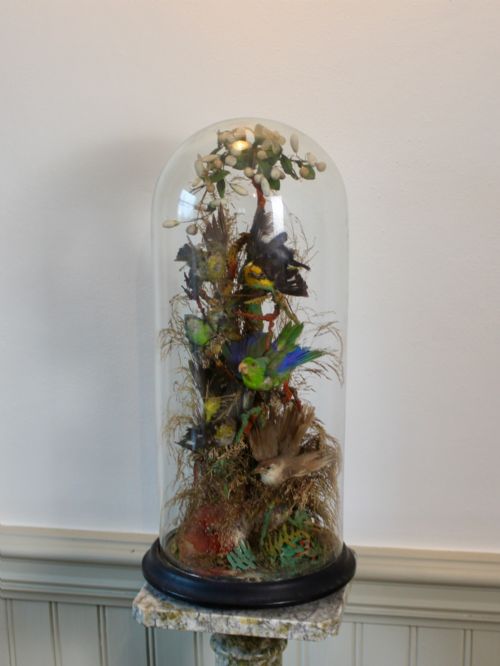


Antique Bird Case
When you search for an antique bird case, you are looking at preserved avian specimens and silver containers featuring bird motifs from the nineteenth and early twentieth centuries.
Antique Bird Case
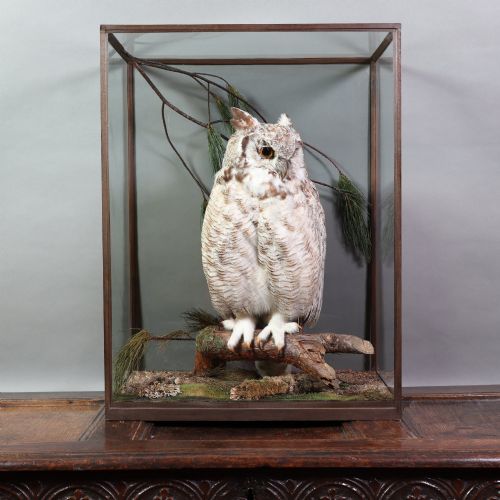
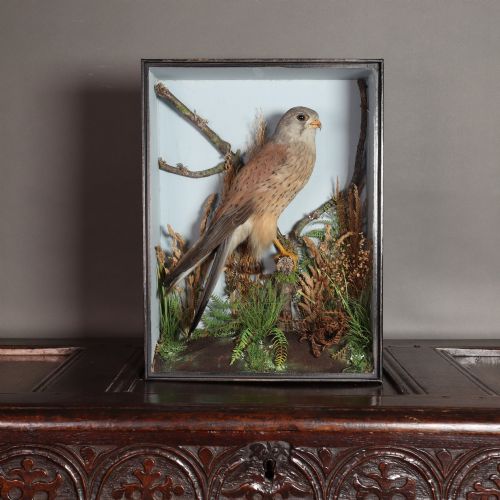
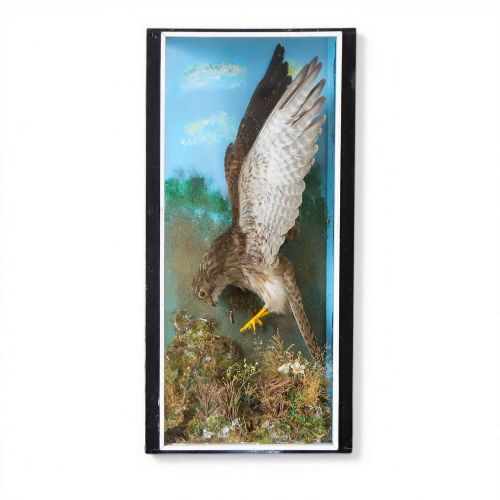
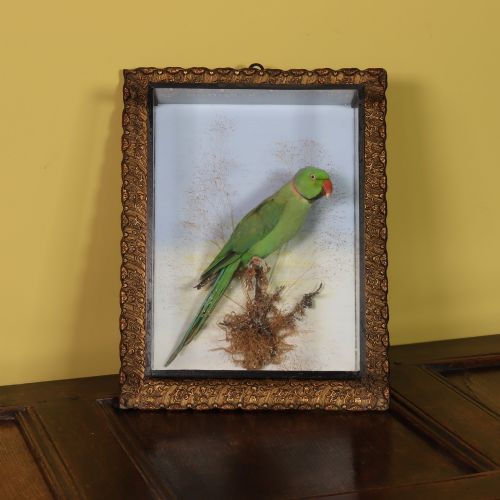
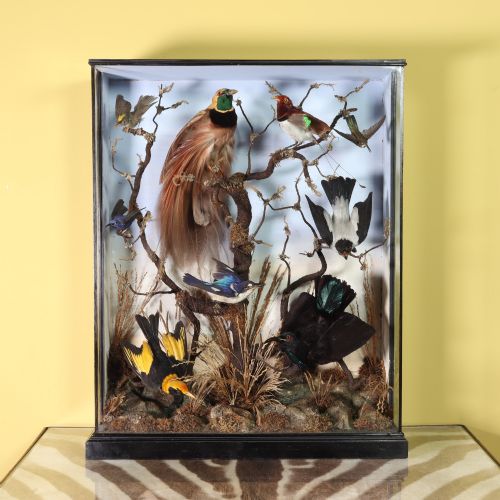
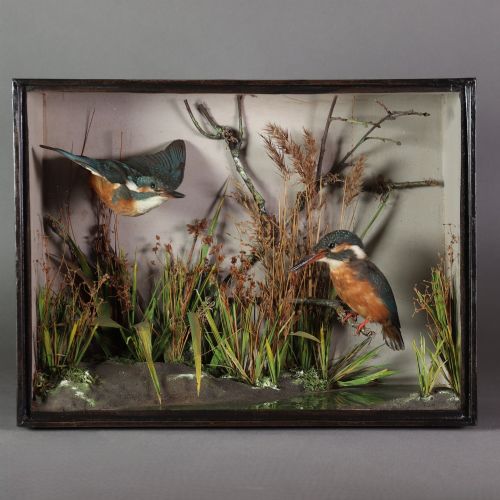
An antique bird case encompasses two distinct forms of craftsmanship from the Victorian and Edwardian eras. The first category comprises taxidermy specimens mounted within glass domes, picture frame cases, and painted wooden display cabinets. These natural history pieces range from single subjects like kestrels and owls to complex dioramas featuring multiple exotic and British species.
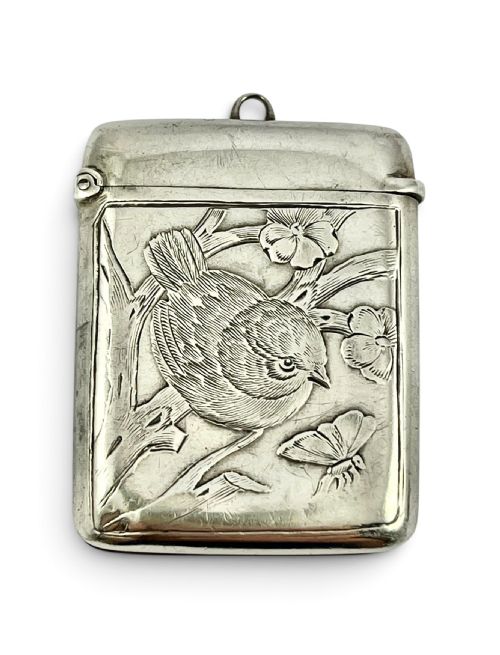
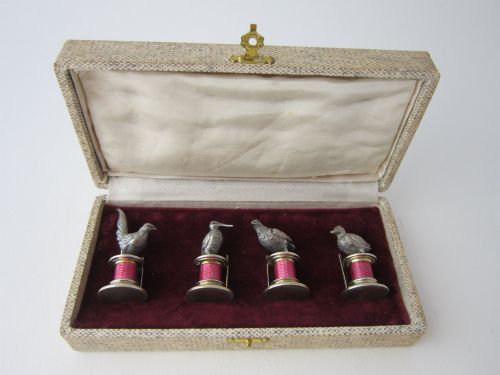
The second category includes various silver containers and cased items decorated with avian themes. Buyers encounter sterling silver vesta boxes, calling card cases, menu holders, and salt cellars bearing embossed or engraved bird motifs. These smaller silver items frequently date from the late nineteenth century through the early twentieth century.
On this marketplace, the taxidermy display is the version most commonly met by collectors. These cased specimens preserve nineteenth-century mounting techniques, utilising painted backdrops, moss, and paper foliage to recreate natural habitats. Whether housing a single jay or a pair of snow buntings, each piece reflects the period interest in natural history.
Materials and Construction
Taxidermy specimens require careful preservation and taxidermy mounting techniques inside protective glass enclosures. Makers constructed wooden and oak cases, flat-sided domes, and picture frame enclosures to shield the delicate feathers from dust and damage. Interiors often incorporate paper, moss, and silk to establish a convincing background scene for the birds.
Silver items utilise sterling silver, heavy cast silver, and enamel work to portray avian subjects. Silversmiths employed embossing, chasing, and engraving to render detailed plumage upon card cases, cigarette cases, and menu holders. These metal pieces were frequently housed in fitted presentation cases lined with velvet.
Some Victorian taxidermy presents birds caught in perpetual snowy winters beneath flat-sided glass domes.
Assessing Quality and Execution
Quality in taxidermy cases rests upon the preservation of the plumage and the naturalism of the pose. Master practitioners arranged birds with anatomical accuracy and expressive postures within balanced compositions. Inferior examples suffer from faded feathers, clumsy taxidermy work, or poorly constructed wooden housings.
For silver pieces, quality is determined by the crispness of the chasing and engraving. Well-defined feather details on card cases and vesta boxes indicate superior silversmithing. Faint stampings, worn silver hallmarks, or structural damage to the enclosing box diminish the desirability of the piece.
J Griffiths of Burford·Rowland Ward Ltd·T. E. Gunn·William Bazeley & Sons·James Gardner·W.F. Homer London
The Antique Bird Case Glossary
- Taxidermy
- The art of preparing, stuffing, and mounting the skins of animals for display. In antique specimens, this craft aims to replicate the living posture of birds within glass enclosures.
- Vesta Case
- A small pocket container designed to hold matches and safety matches. These silver items often feature chased bird motifs on the exterior surface.
- Diorama
- A three-dimensional scene featuring wildlife specimens arranged in a simulated natural environment. Makers utilised painted backgrounds and moss to create depth.
- Hallmark
- An official stamp applied to precious metals indicating the standard of purity and the assay office. Silver card cases and matchboxes rely on these marks for dating.
- Sterling Silver
- An alloy of silver containing ninety-two point five percent silver by mass. Many cased items and card holders from the Victorian period are forged from this material.
Antique Bird Case: Frequently Asked Questions
What birds appear in these cases?
The listings feature a wide variety of British and exotic species. Common examples include kestrels, kingfishers, jays, owls, and pheasants.
Larger compositions incorporate multiple birds, including parakeets, birds from New Guinea, and mixed wading birds. Each specimen reflects the Victorian fascination with natural history display.
How do I date a taxidermy case?
Dating relies upon the construction style of the wooden case, the materials used for the interior backdrop, and any maker labels attached to the piece. Victorian examples often feature heavy wooden frames and hand-written provenance labels.
Edwardian and later pieces transition toward simpler painted cases and distinct framing techniques. Examining the ageing of the paper and moss inside also aids in establishing the era.
Are the silver pieces hallmarked?
Most antique silver items carry clear hallmarks denoting the assay office, year of manufacture, and silver standard. These marks help verify the exact period of production.
Items such as vesta boxes and menu holders frequently display distinct regional assay stamps. Collectors utilise these hallmarks to trace the silversmith and date of creation.
How should I display taxidermy cases?
These pieces require placement away from direct sunlight to prevent the fading of delicate feathers. Stable indoor humidity protects the wooden frames and glass seals.
Keeping the glass clean with gentle dusting preserves the interior diorama. Placing cases on stable surfaces ensures the delicate internal mounts remain undisturbed.