


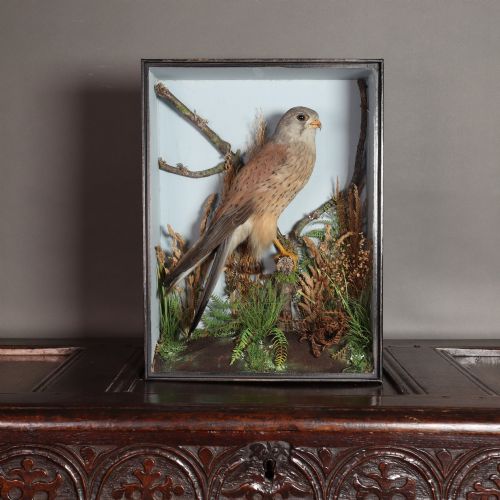





Black Bird Taxidermy
Black bird taxidermy pieces are preserved specimens that bring natural history into a room, offering a quiet glimpse into the Victorian and Edwardian fascination with wildlife.
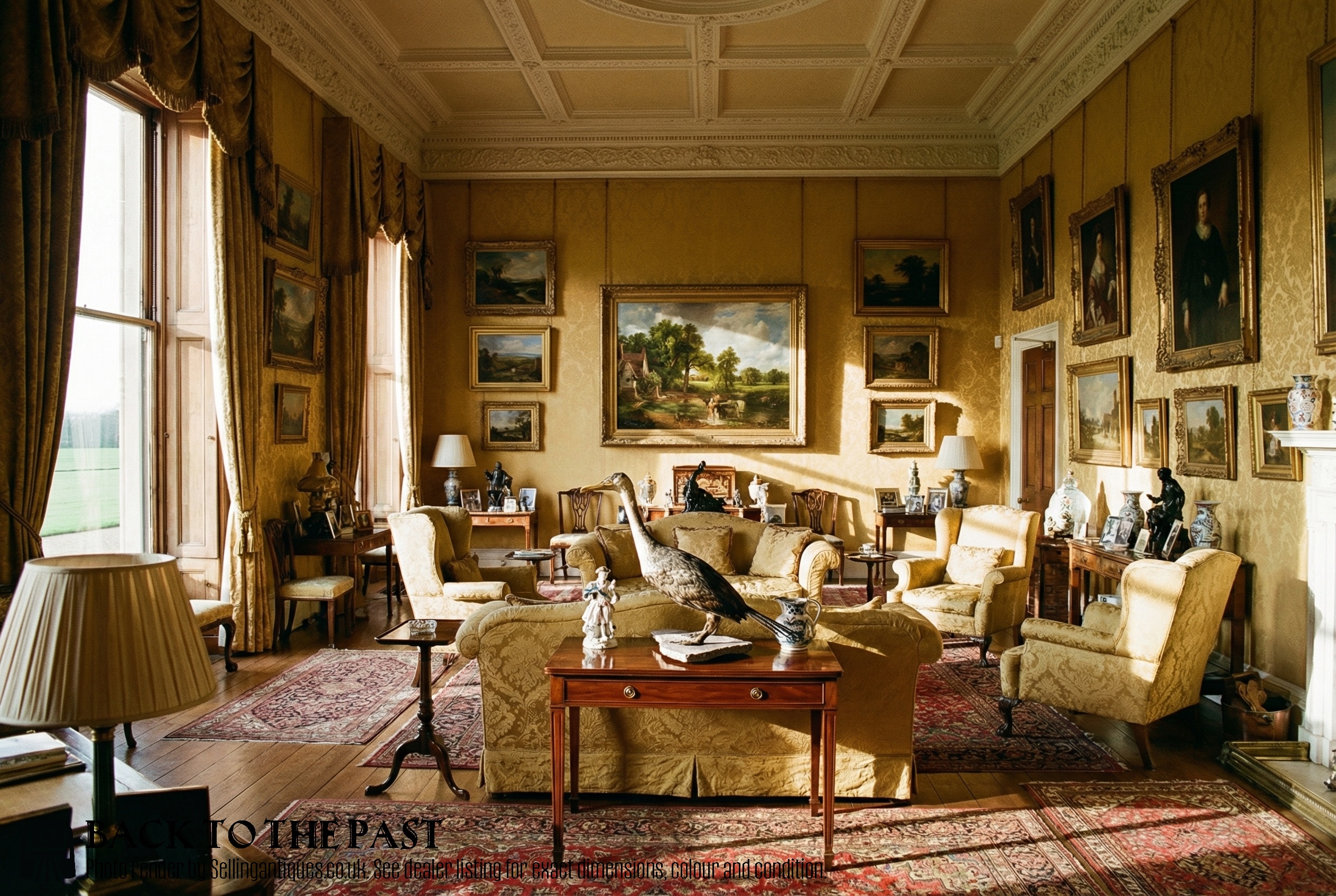
Black Bird Taxidermy
When you search for black bird taxidermy, you encounter preserved specimens and mixed bird displays that capture ornithological study from the late nineteenth and early twentieth centuries. These pieces appear as single specimens or grouped scenes inside glazed wooden enclosures, representing the natural history tastes of the Victorian and Edwardian periods.
The versions most commonly met on this page include cased dioramas and individual mounted birds from the Victorian, Edwardian, and early twentieth-century eras. Makers from these decades arranged specimens alongside dried vegetation and painted backgrounds to recreate natural habitats within glass fronting.
Many items reflect vernacular folk art traditions alongside formal natural history mounting. These displays range from single mounted birds to complex scenes containing mixed species originating from domestic and international locations.
Materials and construction
Taxidermy creation relied on preserving avian skins over armature structures, often incorporating glass eyes and wired poses. Artisans housed these specimens inside timber display cases fitted with glass panels to protect the fragile feathers from dust and decay.
Natural materials such as moss and dried vegetation formed the groundwork beneath the birds, anchoring them within simulated environments. Wooden frames frequently received coats of paint, while painted paper backgrounds added depth and atmosphere to the enclosed dioramas.
Black Bird Taxidermy Retail Price Guide 2026
Typical asking prices for black bird taxidermy among the pieces listed under this phrase on Sellingantiques today, from the lower quarter to the upper quarter. They describe what is for sale here now, not the wider market.
Listings feature periods spanning from the Victorian era through the Edwardian period and into the early twentieth century, utilising glass, wood, feathers, and painted elements.
Factors of quality
Quality in these specimens rests upon the lifelike posture of the bird and the skill of the taxidermist in maintaining anatomical proportions. Well-mounted specimens retain smooth feather alignment and natural contours without visible shrinkage or distortion around the head and beak.
The integrity and craftsmanship of the wooden display case also influence the standard of the piece, particularly when fitted with original glass and detailed painted backdrops. Professional mounting by known practitioners demonstrates superior handling of the plumage and setting compared to vernacular amateur work.
J Griffiths of Burford·T. E. Gunn·W.F. Homer London
The Black Bird Taxidermy Glossary
- Taxidermy
- The art of preparing, stuffing, and mounting the skins of animals for display. This practice expanded significantly during the Victorian era for both scientific study and home decoration.
- Diorama
- A three-dimensional scene in which specimens are arranged in a recreation of their natural habitat. These enclosures often feature painted backgrounds and gathered foliage.
- Edwardian
- Pertaining to the reign of King Edward VII, spanning from nineteen hundred to nineteen ten. Pieces from this era often refine the heavier aesthetic of the preceding Victorian period.
- Folk art
- Art produced from an indigenous culture or by a peasant or other labourer without academic training. In this context, it describes simpler mounting styles created outside professional urban workshops.
Black Bird Taxidermy: Frequently Asked Questions
How do I care for taxidermy?
Keep mounted birds away from direct sunlight and damp conditions to prevent feather fading and deterioration. Dust the glass exterior gently with a dry cloth and avoid opening sealed historical cases.
Stable room temperatures protect the organic materials inside the display. Proper placement ensures the preservation of both the feathers and the wooden enclosure.
Where were these pieces displayed?
Victorian and Edwardian households placed these preserved specimens in studies, libraries, and drawing rooms as part of a broader interest in natural history. Naturalists and collectors used them to decorate domestic spaces while demonstrating an appreciation for wildlife.
Display cabinets and tabletop vitrines housed the smaller dioramas, protecting the delicate mounts from household soot and handling. Larger arrangements often occupied prominent positions on mantelpieces or walls.
How do I date a specimen?
Dating relies on the construction style of the wooden case, the materials used for the background, and any accompanying trade labels left by the taxidermist. Victorian pieces typically feature heavier timber frames and hand-written identifiers.
Early twentieth-century examples often incorporate simpler painted cases and modern framing techniques. Comparing the mounting style with documented works by known practitioners helps narrow the production era.
What is a bird scarer?
A bird scarer is a practical object designed to frighten agricultural pests away from crops using movement or sound. Historical examples sometimes utilised preserved avian forms to deter live birds from fields and gardens.
These working items differ from decorative parlor taxidermy by showing evidence of outdoor use and utilitarian construction. Their survival reflects rural practices from the early twentieth century.