

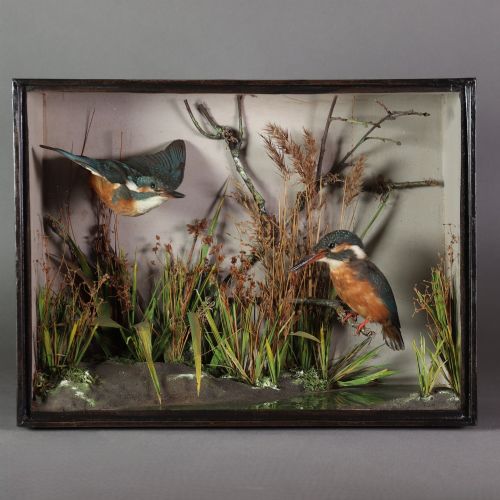


Vintage Taxidermy Bird Case
These vintage taxidermy bird case examples preserve natural history specimens within glass and timber frames for home display.
Vintage Taxidermy Bird Case
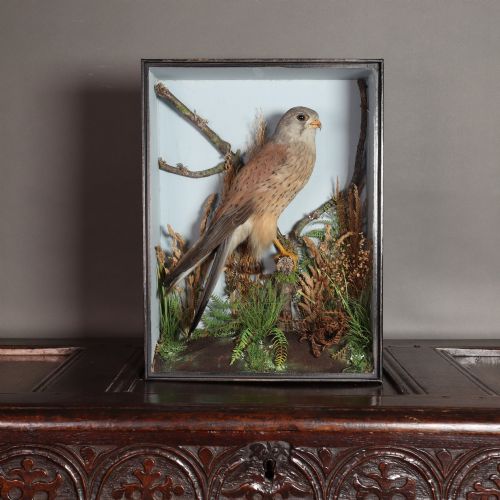
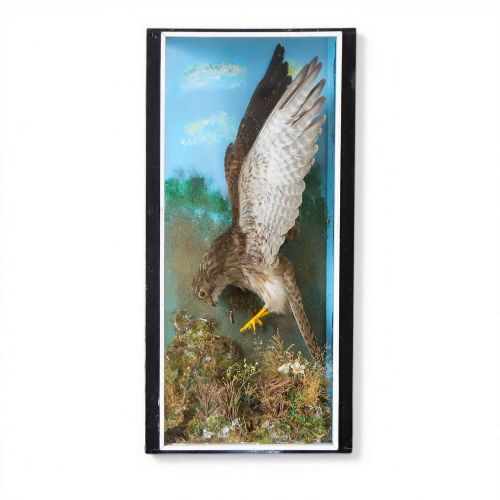
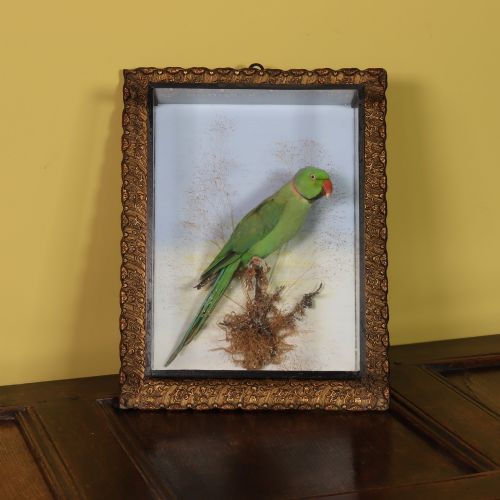
A vintage taxidermy bird case brings preserved avian specimens indoors, structured as framed displays, wall-hanging picture frames, or glass domes. These pieces originate from the Victorian period through to the early twentieth century, capturing ornithological interest from past decades.
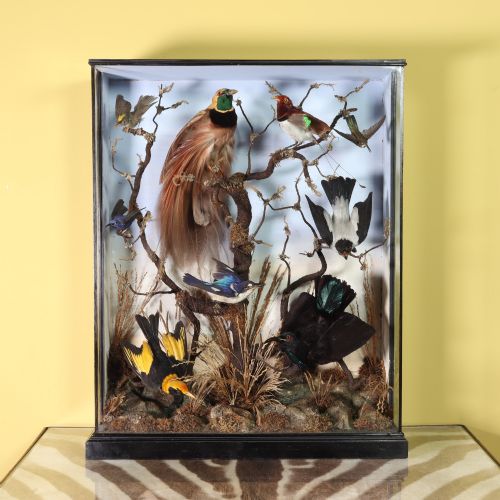
Buyers encounter varied configurations, from single specimens like kestrels, kingfishers, and owls to complex multi-bird dioramas featuring mixed exotic or native species. The presentation relies on enclosed glass structures designed to protect delicate plumage from dust and damage.
Most examples hail from the Victorian Natural History and Edwardian eras, utilising oak and painted wood enclosures. These objects served as both scientific study pieces and decorative parlour ornaments in their original domestic settings.
How they were made
Taxidermists constructed these enclosures using seasoned timber for the outer frames and cabinetry, frequently glazing the fronts and sides to permit clear viewing. Interior settings incorporated natural materials such as dried moss, twigs, and painted paper backgrounds to simulate native habitats.
Preserved specimens were mounted onto internal wire and wooden armatures, then arranged carefully within the confined space alongside artificial or preserved flora. Cases were sealed tightly to maintain the preservation of the feathers and internal taxidermy components over time.
The listings span the Victorian to early twentieth-century periods, utilising glass, timber, paper, and preserved natural specimens.
What varies in quality
Quality rests primarily in the taxidermist's skill at rendering a lifelike posture and naturalistic expression in the preserved bird. Master practitioners maintained correct anatomical proportions and plumage arrangement, whereas lesser work appears stiff or distorted.
The sophistication of the internal habitat diorama also dictates the tier of the piece. Elaborate painted backgrounds and detailed botanical elements distinguish superior workshop output from simple, plain-backed enclosures.
J Griffiths of Burford·T. E. Gunn·William Bazeley & Sons·James Gardner·W.F. Homer London
The Vintage Taxidermy Bird Case Glossary
- Taxidermy case
- A glass-fronted wooden box designed to house and display a preserved animal specimen. These enclosures protected delicate mounts from household dust and insect damage.
- Diorama
- A three-dimensional scene featuring preserved specimens set against a painted background with artificial foliage. This technique created the illusion of birds in their natural environment.
- Glass dome
- A blown glass cover resting on a wooden base used to display taxidermy specimens in the round. They offered an unhindered thirty-six-degree view of the arrangement.
- Picture frame case
- A shallow wall-hanging enclosure with a glazed front built to display flat or semi-relief taxidermy specimens. These items functioned like traditional artwork within Victorian interiors.
- Specimen
- An individual animal preserved for scientific study or decorative display. In these arrangements, specimens represent specific avian species from various global regions.
Vintage Taxidermy Bird Case: Frequently Asked Questions
How do I clean the glass?
Use a soft microfiber cloth and a mild glass cleaner applied directly to the cloth rather than the wood or seams. Avoid spraying liquid near the joints where moisture might seep inside the enclosure.
Take care around old paper labels or painted exterior surfaces to prevent water damage. Gentle wiping maintains clarity without risking the vintage seals.
Where should I place a bird case?
Position cases away from direct sunlight to prevent the fading of delicate feather colours and painted backgrounds. Stable indoor environments with moderate humidity protect the timber and internal organic materials.
Avoid hanging heavy wooden cases on weak plaster walls without proper anchors. Stable shelving or dedicated picture hooks ensure secure display.
How do I date these pieces?
Examine the construction methods of the timber frame, backing paper, and any maker signatures or trade labels pasted inside. Victorian examples often feature dark stained woods and hand-written provenance notes.
Edwardian and early twentieth-century pieces may display lighter oak framing and simpler interior habitats. Comparing stylistic traits with documented regional taxidermists helps narrow the production era.
Can I open the case?
Original taxidermy enclosures are sealed to protect the internal specimens from pests and atmospheric moisture. Opening the case breaks historical seals and exposes the delicate feathers to potential damage.
Leave the glazing intact and rely on external dusting of the glass and frame. Maintenance of the interior should remain strictly with professional conservators.