
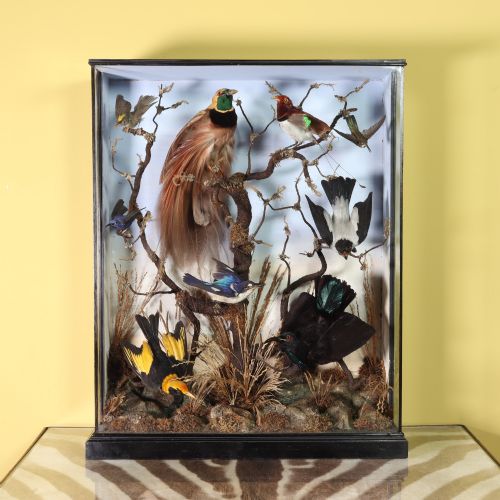
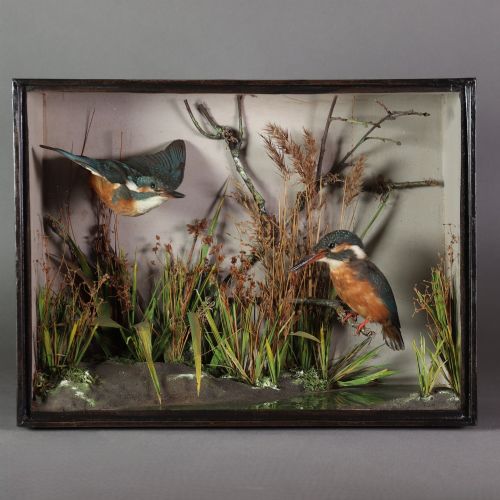


Black Glass Taxidermy Case
These black glass taxidermy cases house preserved specimens under glass and wood, bringing nineteenth-century natural history directly into a modern room.
Black Glass Taxidermy Case
When you search for a black glass taxidermy case, you encounter enclosed showcases designed to protect and display preserved birds, fish, and botanical specimens. These pieces primarily date from the Victorian and Edwardian eras, spanning from the late nineteenth century into the early twentieth century.
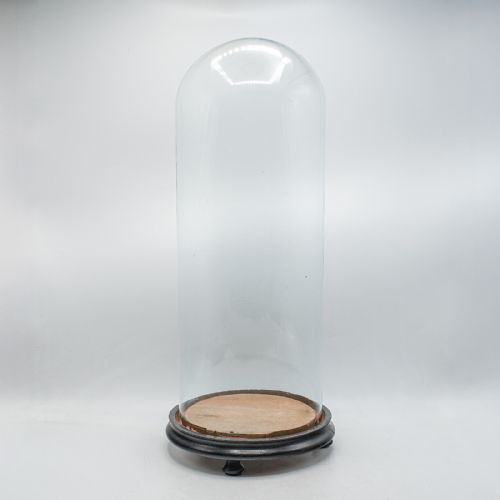
The most common forms on this page include tall display domes, ovoid clock domes, and framed dioramas. Many incorporate ebonised wood bases that complement the dark framing of the glass enclosures.
Originating largely from English workshops, these cases vary from simple specimen showcases to elaborate multi-bird dioramas containing mixed species from overseas.
Materials and construction
Master craftsmen built these enclosures using clear blown or cast glass fitted onto wooden bases, frequently utilising ebonised wood to create a uniform black finish. Interiors were often lined with paper, felt, fabric, or baize to provide a contrasting background for the taxidermy.
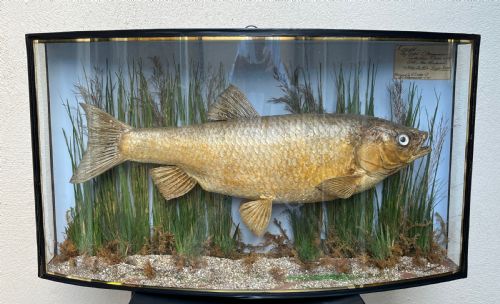
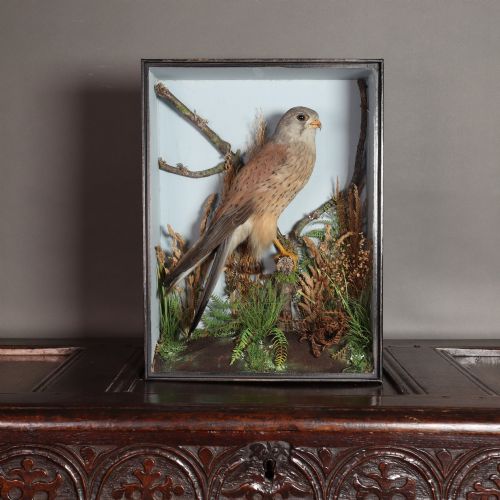
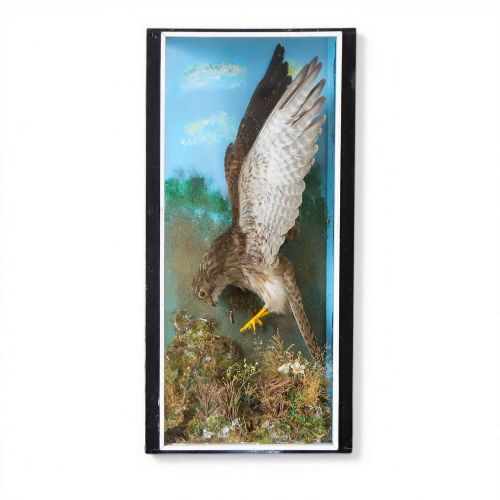
Preserved specimens including kestrel, kingfishers, and fish were arranged within these glass domes and showcases alongside painted or naturalistic diorama elements. The glass covers were sealed to the wooden plinths to protect the delicate feathers and internal materials from dust and moisture.
An African Grey parrot peers eternally through its Victorian glass dome, unfazed by changing centuries.
Assessing quality and origin
Quality in a black glass taxidermy case rests upon the clarity and historic integrity of the glass dome alongside the skill of the taxidermist who mounted the specimen. Cases signed by notable practitioners or originating from established London and regional workshops command greater attention from collectors.
The sophistication of the internal diorama scenery and the preservation condition of materials such as feathers, fabric, and ebonised wood determine the standing of each piece within the historical range.
Little & Co·T. E. Gunn·J Cooper & Sons
The Black Glass Taxidermy Case Glossary
- Ebonised wood
- Timber treated to imitate ebony, providing a deep black finish commonly used for the bases of taxidermy cases and display domes.
- Cloche
- A bell-shaped glass cover designed to protect specimens, frequently seated upon a matching wooden plinth.
- Diorama
- A three-dimensional scene housing taxidermy specimens within a constructed naturalistic or painted background setting.
- Baize
- A coarse woolen fabric often utilised to line the interior baseboards of antique specimen cases.
- Specimen showcase
- An enclosed glass and wooden container built specifically for the housing and viewing of natural history objects.
Black Glass Taxidermy Case: Frequently Asked Questions
Where were these cases made?
The majority of these pieces originate from English workshops and taxidermy establishments operating during the Victorian and Edwardian periods. Makers in locations such as London and Norwich produced specialised glass domes and display cases for collectors.
Regional taxidermists often sourced their glass locally while constructing custom wooden bases to house specific birds and fish.
What is inside the case?
These enclosures typically contain taxidermy specimens such as kestrels, kingfishers, parrots, fish, and herons arranged among naturalistic or painted backgrounds. Interiors are frequently lined with paper, felt, fabric, or baize.
Some elaborate Victorian examples feature mixed species gathered from distant regions including South America, Australia, and New Guinea.
How do I date my case?
Dating relies on observing the construction methods of the ebonised wood base, the thickness and bubbling within the glass dome, and the style of the interior taxidermy mount. Pieces often correspond to specific late nineteenth or early twentieth-century design trends.
Signatures or paper labels affixed by makers underneath the wooden base provide the most definitive chronological markers.