
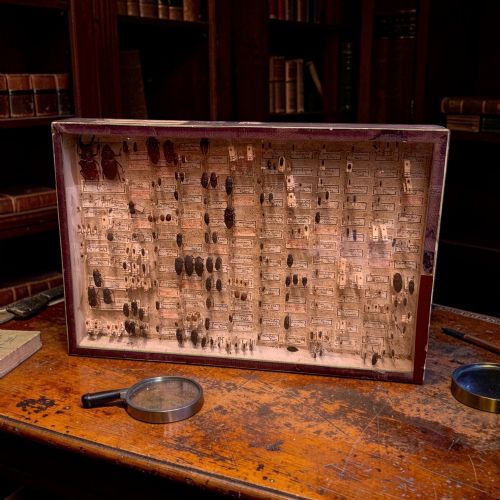


Natural History Specimen Frame
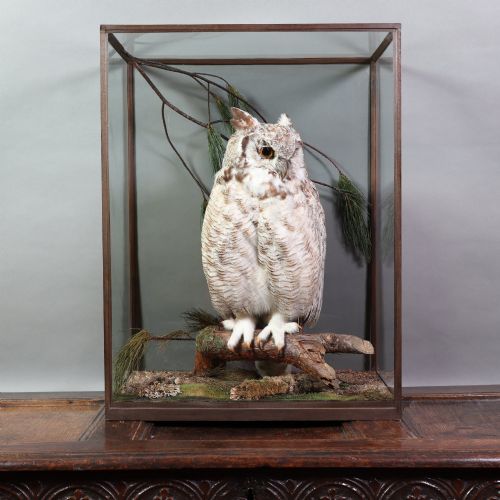
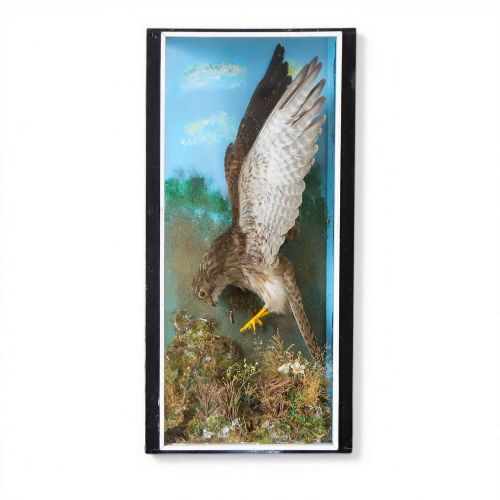
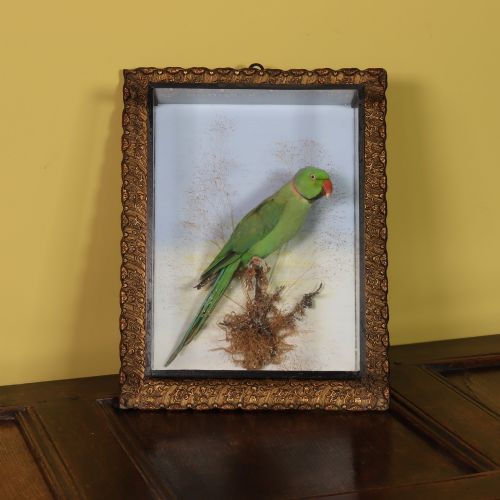
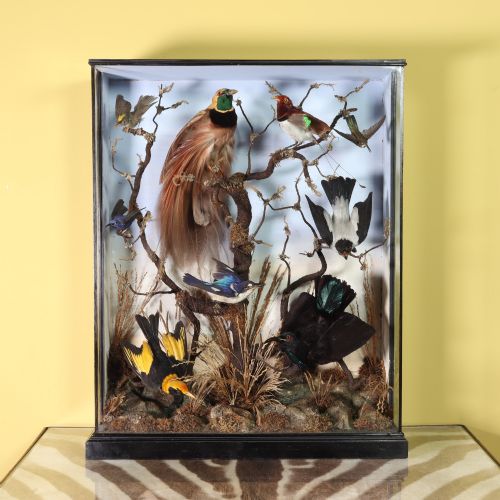
These pieces of natural history specimen frame display taxidermy, feathers, and flora under glass to bring the outdoors into your home.
Natural History Specimen Frame
A natural history specimen frame gathers preserved birds, insects, and plants behind glass for wall mounting or tabletop display. You will most frequently encounter Victorian and Edwardian examples featuring wood cases and taxidermy specimens.
The objects range from single butterflies and botanical sets to elaborate dioramas containing owls, kingfishers, and jays. Many items originate from the nineteenth and early twentieth centuries, reflecting a Victorian interest in natural science.
Cases vary from simple wooden picture frames to architectural wall displays and curiosity cabinet boxes. Some pieces utilise painted backgrounds to recreate natural habitats for the specimens within.
How They Were Made
Makers constructed the housings primarily from wood and glass, often utilising oak or painted timber for the exterior frames and display boxes. Inside these enclosures, taxidermy specimens and dried flora were arranged alongside painted elements.
Arrangements incorporate organic materials such as feathers, paper, moss, and dried flora to support the central taxidermy specimen. Artisans secured birds and insects within enclosures designed to protect delicate materials from dust and handling.
Listings feature items from the 1870s through the 1930s, encompassing both Victorian and Edwardian periods.
What Varies in Quality
Quality rests in the preservation of the specimen and the complexity of the arrangement. Multi-bird dioramas and named works demand greater skill than single-specimen insect mounts.
The construction of the housing itself differentiates pieces, with custom-built painted cases and detailed wooden frames showing higher craftsmanship than basic boxes.
Rowland Ward Ltd·William Bazeley & Sons
The Natural History Specimen Frame Glossary
- Taxidermy
- The art of preparing, stuffing, and mounting the skins of animals for display. This technique forms the central focus of avian and animal specimens in these displays.
- Diorama
- A three-dimensional scene depicting wildlife in a simulated natural environment. These enclosures often include painted backgrounds alongside the preserved subjects.
- Entomology
- The scientific study of insects, applied here to framed collections of butterflies and other specimens. These cases organise specimens systematically for visual study.
- Botanical Specimen
- Plant material preserved for scientific or decorative study. These items appear mounted on paper within frames or cases.
- Curiosity Cabinet
- A collection of diverse natural and artificial objects. These displays reflect historic traditions of collecting natural history specimens.
Natural History Specimen Frame: Frequently Asked Questions
What is a natural history specimen frame?
A natural history specimen frame is a glass-fronted enclosure containing preserved birds, insects, feathers, or plants. These pieces originated during the nineteenth and early twentieth centuries as both scientific study aids and interior decoration.
Today, buyers use them to add historical character and a connection to the natural sciences to interior spaces.
How do I care for my specimen case?
Keep your display out of direct sunlight to prevent the fading of feathers, painted backgrounds, and botanical elements. Maintain a stable room temperature to protect organic materials from humidity changes.
Clean the exterior glass gently with standard glass cleaner, avoiding any moisture contact with the interior specimens.
Are these pieces antique?
The listings include items originating from the Victorian period through the early twentieth century, spanning the nineteenth and twentieth centuries. Materials and construction methods reflect the dates assigned to each piece, such as Edwardian and Victorian eras.
Examine the wood, glass, and mounting styles to understand the period of origin for each specific display.
Where should I hang my display?
Hang your frame on an interior wall away from direct heat sources and strong sunlight. Many pieces feature integrated hanging hardware suitable for secure wall mounting in studies or living spaces.
Tabletop versions require a stable surface where the glass remains protected from accidental knocks.