


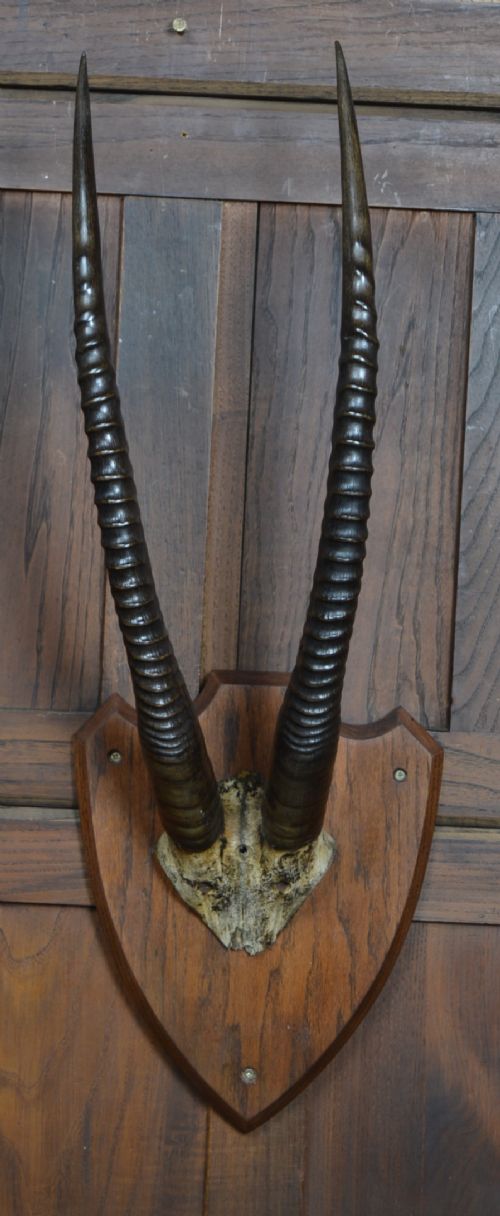


Dark Horn Trophy
These dark horn trophy pieces bring the striking presence of nineteenth- and early-twentieth-century natural history straight into a room.
Dark Horn Trophy
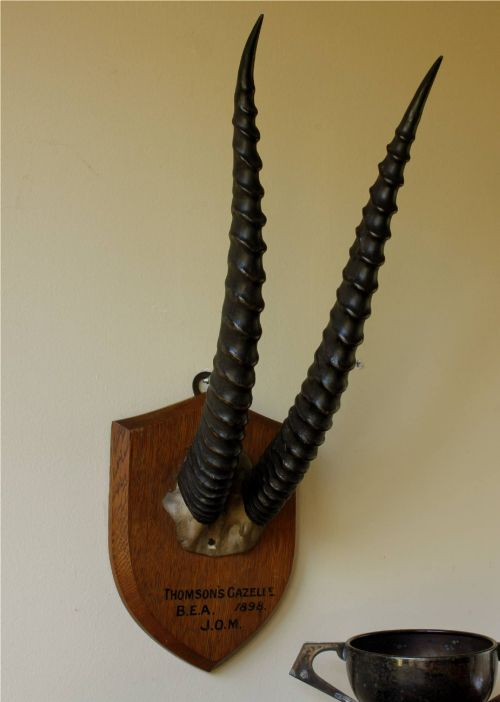
When you search for a dark horn trophy, you encounter mounted horns, heads, and natural history specimens spanning the Victorian and Edwardian eras. These pieces include mounted Thomson's gazelle horns, red deer antlers, waterbuck heads, springbok, ram's horns, sable antelope horns, koodoo, oryx horns, and buffalo horns.
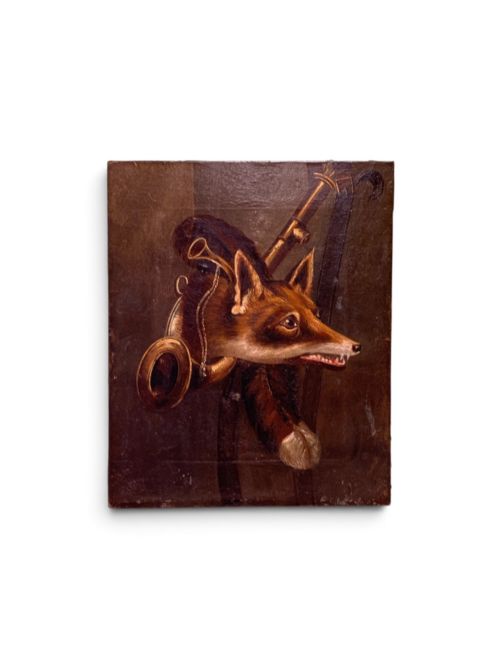
You are most likely to meet wall-mounted specimens attached to carved wooden shields or brass brackets, reflecting nineteenth-century sporting and hunting lodge aesthetics. The selection ranges from single sets of horns to large mounted heads and oil still life paintings.
The aesthetic is rooted in Highland traditional and Victorian natural history displays, designed to dominate a wall and display the scale of the animal. Such items reflect the interior style of nineteenth-century country houses and sporting lodges.
Materials and construction
The physical construction relies on natural horn, bone, and antler secured to wooden backing mounts such as carved oak shields. Artisans shaped structural supports to hold heavy bone and horn safely against walls.
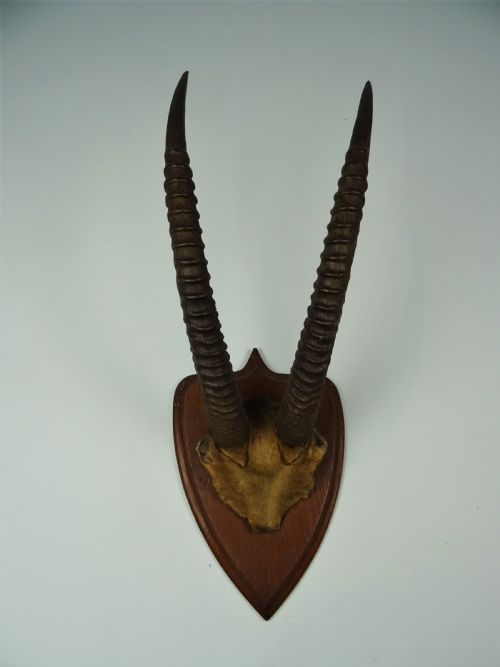
Metal components appear in brass mountings used to secure the horn bases firmly to their wall fixtures. Additionally, taxidermy mounts utilise preserved hides and hair alongside the natural horn structures.
Artistic representation also accompanies these taxidermy pieces, as seen in oil on canvas paintings depicting sporting subjects and still life scenes from the nineteenth century.
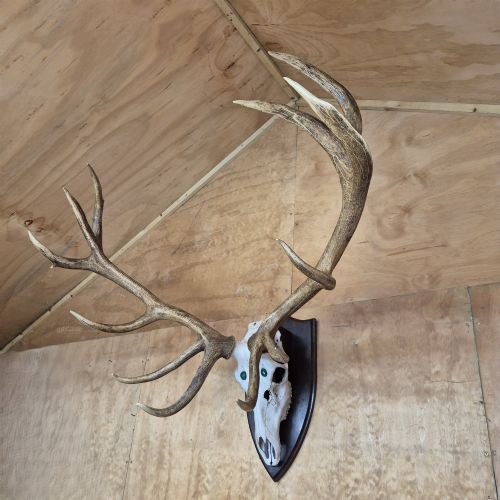
A twelve-point 'Royal' set of red deer antlers spans an impressive one point two metres across.
Variations in quality
Quality depends upon the symmetry and span of the horns or antlers, with larger multi-point spreads and intact surface texture holding greater presence. The natural ridges and dark tones of the horn dictate visual impact.
The craftsmanship of the supporting shield influences the overall standard, particularly where carved wood displays detailed joinery or fitted brass hardware. Conservation of the fur, hide, and taxidermy elements also distinguishes superior specimens.
Edward Gerrard and Sons
The Dark Horn Trophy Glossary
- Taxidermy
- The art of preparing, stuffing, and mounting the skins of animals with lifelike effect. In these listings, it refers to mounted animal heads and horns.
- Shield
- A shaped wooden plaque, often carved, used as a wall mounting base for horns and antlers. It protects the wall and frames the specimen.
- Antler
- The branched, bony growth shed and regrown annually by members of the deer family. Large sets are measured by their number of points.
- Brass-Mounted
- Fitted with brass brackets, collars, or screws to secure the horn specimens to their display backings. This metalwork is characteristic of Victorian pieces.
- Natural History
- The scientific study of animals and plants, which inspired nineteenth-century interior displays of specimens. It guided the aesthetic of domestic trophy mounting.
Dark Horn Trophy: Frequently Asked Questions
What periods do these pieces come from?
The pieces originate from the Victorian and Edwardian eras, spanning the late nineteenth century up to the nineteen-twenties. Specific dates in the titles point to decades such as the eighteen-eighties and eighteen-nineties.
Stylistic cues include carved oak shields and brass mounts typical of nineteenth-century sporting lodges and traditional taxidermy workshops.
How should I clean natural horn?
Dust the horn and bone surfaces gently with a soft, dry cloth to remove everyday particles without damaging the natural material. Avoid using water, liquid cleaners, or harsh chemicals that can dry out or crack the horn.
For taxidermy fur elements, a very soft brush can be used lightly in the direction of the hair to keep the coat neat.
Are these pieces from historical collections?
The items reflect nineteenth- and early-twentieth-century hunting lodge and natural history collecting habits. They capture the Victorian and Edwardian fascination with exotic fauna and sporting achievements.
Over decades, these mounted horns and heads have transitioned from active sporting displays into decorative historical objects.