





Taxidermy Wall Plaque
These taxidermy wall plaque pieces bring historic wildlife and hunting heritage into modern rooms, offering authentic preserved specimens and traditional sporting mounts.
Taxidermy Wall Plaque
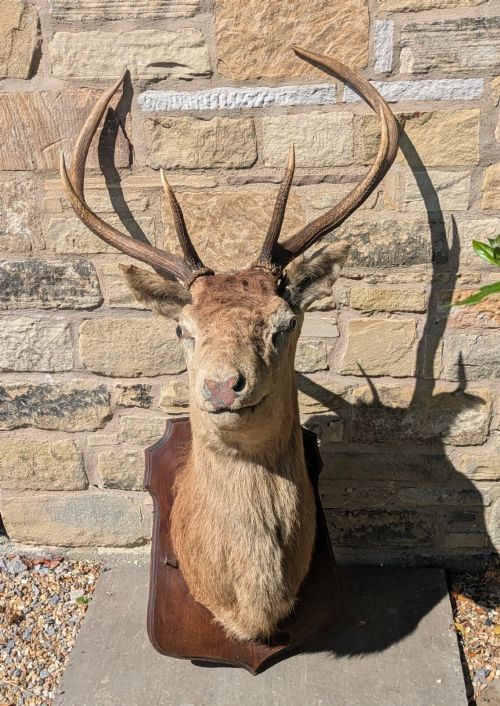
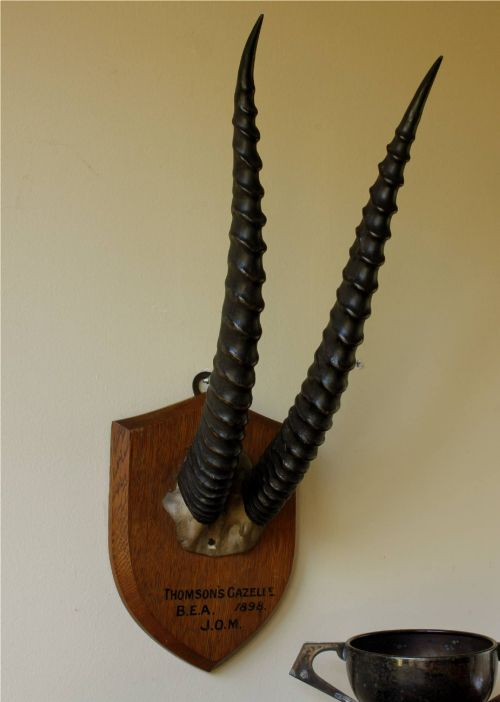
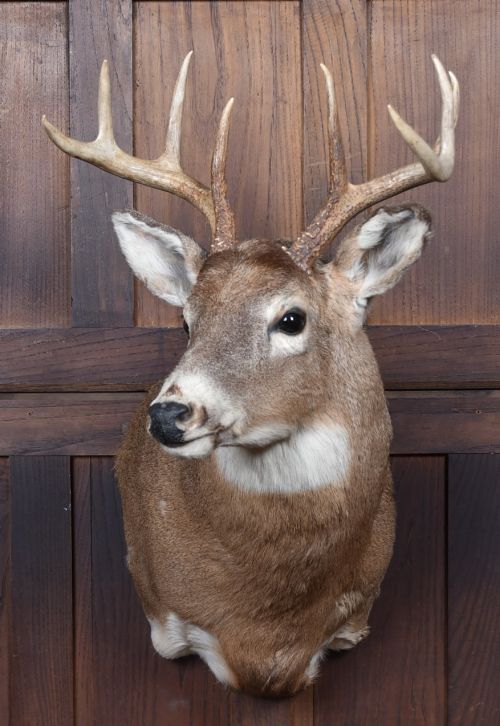
When you search for a taxidermy wall plaque, you encounter mounted heads, horns, masks, and carved wooden trophies spanning from the nineteenth century through the interwar period. The selection includes Victorian stag heads, Edwardian antelope horns, and early twentieth-century examples shaped by sporting traditions.
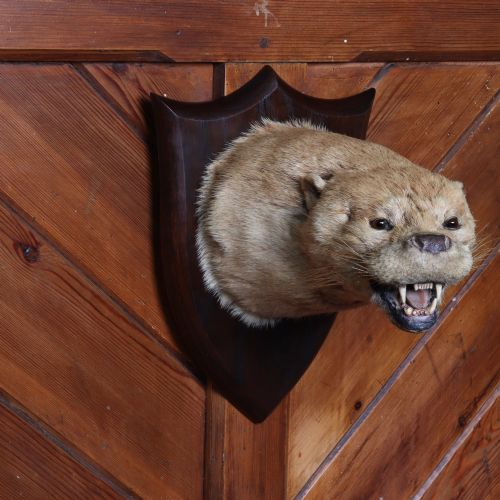
Most items you meet on this page originate from British hunting lodges, traditional sporting collections, and folk art workshops. Pieces range from large exotic specimens like the Nile crocodile and African gazelles to native British mammals such as foxes, otters, and deer.
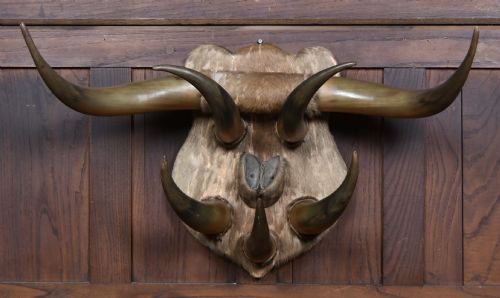
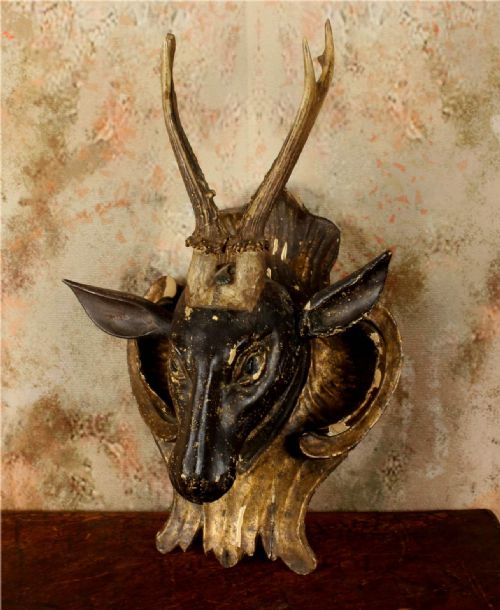
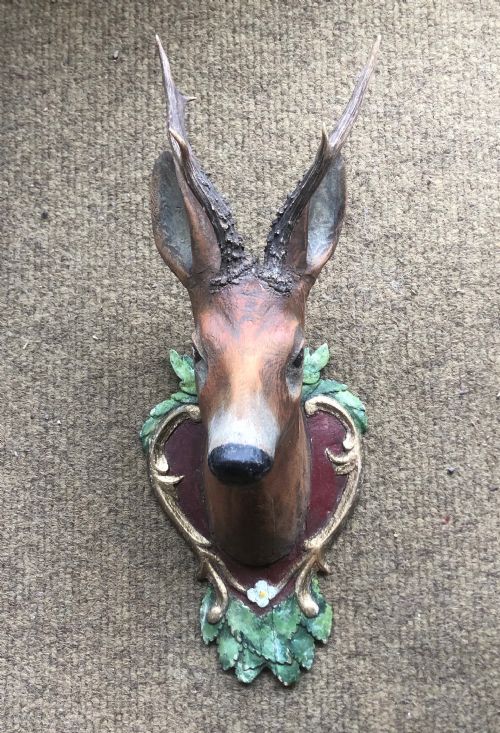
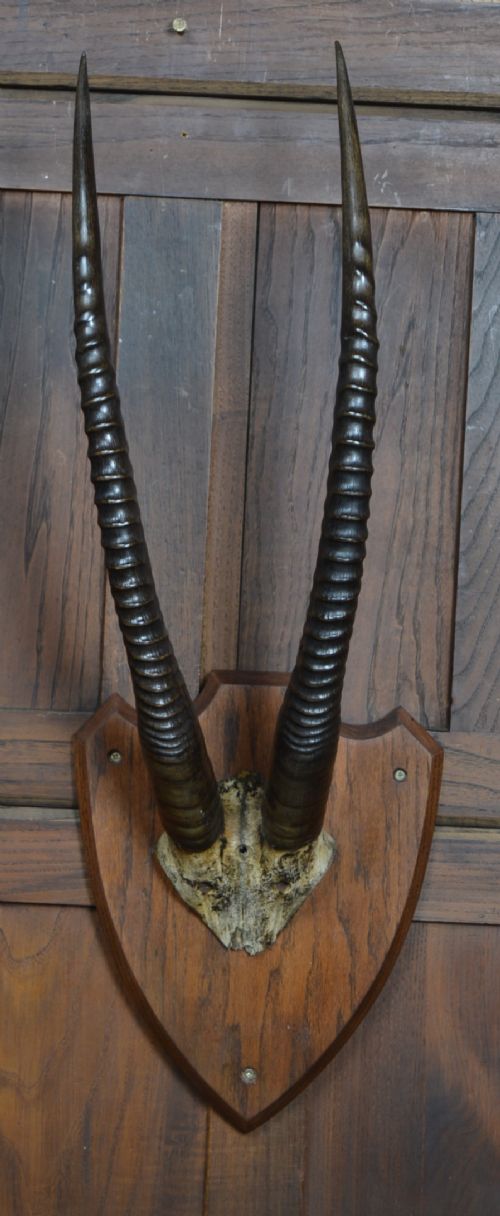
Forms vary considerably between naturalistic skin mounts and sculptural arrangements of bone, horn, and hooves fixed onto timber shields. You also find carved wooden deer heads reflecting regional folk art interpretations of traditional game trophies.
How they were made
Taxidermists utilised preserved hides stretched over sculpted forms alongside natural bone, horn, and antler. These biological elements were secured to supportive wooden panels, timber shields, and carved backings using metal fixings.
Makers integrated glass components for realistic eyes and applied specialist mounting techniques to retain the natural posture and expression of each animal. Carved wooden alternatives relied on traditional woodworking tools to shape timber into likenesses of game heads.
What varies in quality
The distinction between ordinary and exceptional pieces lies in the fidelity of the taxidermy work and the anatomical accuracy of the mount. Master taxidermists captured lifelike expressions and posture that lesser practitioners missed.
The quality of the supporting woodwork and shield carving influences the overall merit of the piece. Well-seasoned timber mounts and signed studio work elevate the historic standing of the object.
Peter Spicer & Sons·P. Spicer & Sons of Royal Leamington Spa
The Taxidermy Wall Plaque Glossary
- Taxidermy mount
- The preserved skin of an animal fitted over a sculpted form to create a lifelike representation. These specimens form the core of historic sporting collections.
- Mask
- A taxidermy mount showing only the head and neck of an animal, commonly utilised for foxes and otters. They are typically fixed to small wooden shields for wall display.
- Antler trophy
- Horn or bone structures mounted on timber boards to record a successful hunt. Victorian and Edwardian examples often feature carved oak or pine shields.
- Folk art
- Items created by self-taught makers working outside academic traditions, such as carved wooden deer heads. These pieces interpret natural forms through regional craftsmanship.
- Taxidermist
- A practitioner skilled in preserving and mounting animal skins. Renowned firms like Peter Spicer & Sons marked the pinnacle of this trade.
Taxidermy Wall Plaque: Frequently Asked Questions
How do I hang a heavy taxidermy mount?
These pieces require secure fixings into structural wall studs or heavy-duty masonry anchors due to the weight of the timber shields and biological materials. Using appropriate wall brackets ensures the display supports the combined weight of the wood and specimen safely.
Position the mount at eye level where the proportions of the antlers or head can be appreciated within the room. Avoid hanging specimens in areas subject to excessive moisture or direct sunlight to protect the historic hide and hair.
How do I date a nineteenth-century taxidermy plaque?
Dating relies on examining the construction methods of the wooden shield, the taxidermy techniques utilised, and any maker signatures or inscriptions on the reverse. Nineteenth-century pieces frequently feature hand-carved oak timber boards and traditional stuffing methods distinct from later interwar production.
Stylistic cues within the Victorian and Edwardian sporting traditions also help narrow down the period. Comparing the mounting style with dated examples from established workshops provides further chronological context.
What is the difference between a mask and a full head mount?
A mask displays only the head and neck portion of the animal, frequently utilised for smaller mammals like foxes and otters mounted on compact shields. A full head mount incorporates a larger portion of the shoulders and chest, creating a more dominant visual presence on the wall.
Both forms reflect traditional British sporting practices from the Victorian and Edwardian eras. The choice between them typically depends on available wall space and the species represented.
How do I care for antique taxidermy?
Maintain the condition of mounted specimens by dusting them gently with a soft brush and keeping them away from heat sources and direct sunlight. Stable room temperatures prevent the historic hide and hair from drying out or degrading over time.
Inspect the mounts periodically for signs of insect activity and ensure the environment remains dry. Proper placement in a balanced indoor climate preserves the integrity of both the biological materials and the wooden backings.