


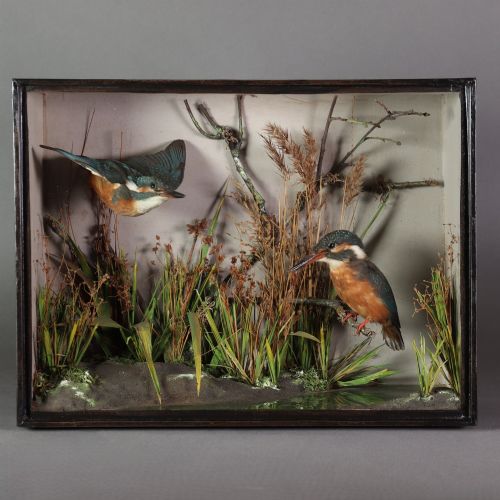


Wooden Cased Taxidermy
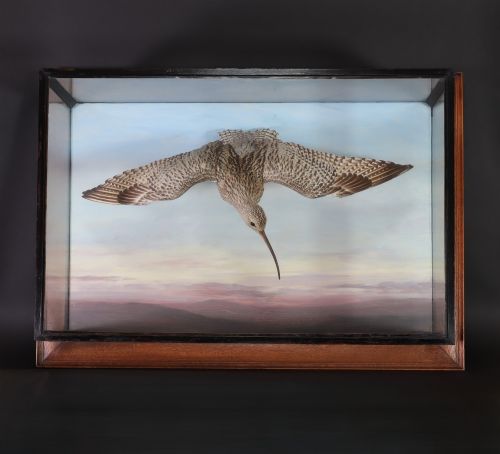
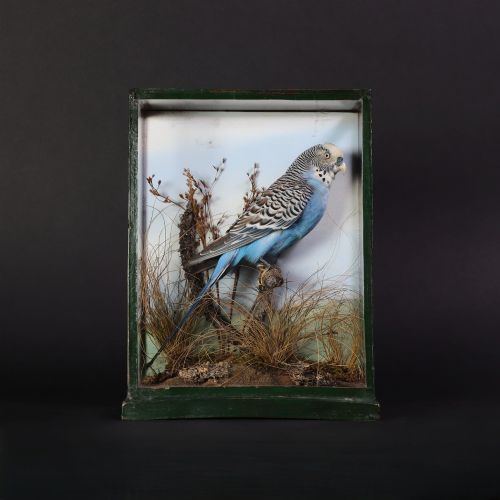
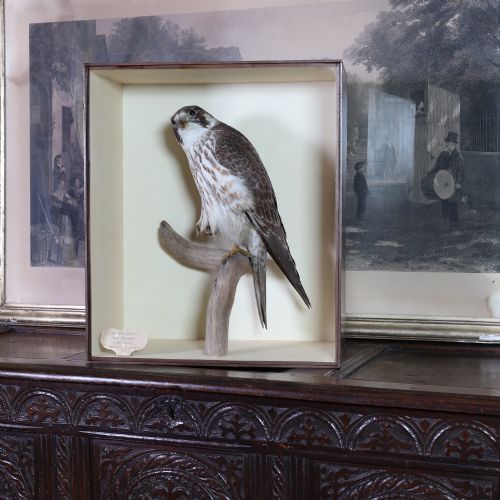
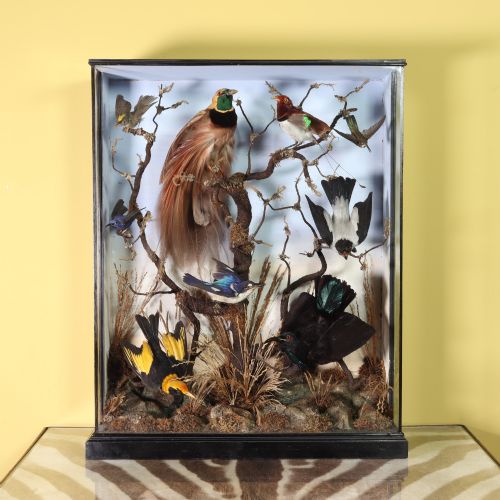
When you search for wooden cased taxidermy, you enter the parlour of the late nineteenth and early twentieth centuries, where birds, fish and mammals are preserved behind glass.

Wooden Cased Taxidermy
Wooden cased taxidermy comprises specimens preserved and mounted within timber-framed enclosures, often paired with glass panes to protect the subjects from dust and handling. These objects span the Victorian and Edwardian periods, running from the mid-nineteenth century into the early decades of the twentieth century.
The forms on this page include wall display cabinets, clock-style glass cases, oval collector's domes with wooden bases, and dedicated taxidermy display cases. Subjects range from single birds and fish to complex groups of mixed specimens.
Buyers seeking wooden cased taxidermy encounter regional works from English makers as well as broader domestic and sporting arrangements. The domestic parlour and the naturalist's study provide the historical context for these preserved animals.
How they were made
Makers constructed the enclosures using timber such as oak, mahogany, pine and general wood, framing the viewing areas with clear glass to showcase the specimens within. Fabric backgrounds, moss and natural specimen elements often complete the internal landscape.
Brass fittings and paper labels appear on specific pieces to secure the structure or document the origin. The taxidermy technique combined preserved skins with internal supports, arranged against simulated natural habitats inside the wooden and glass housings.
Wooden Cased Taxidermy Retail Price Guide 2026
Typical asking prices for wooden cased taxidermy among the pieces listed under this phrase on Sellingantiques today, from the lower quarter to the upper quarter. They describe what is for sale here now, not the wider market.
Some Victorian taxidermy cases contain remarkably specific subjects, including a pet dog and a fan-tailed pigeon.
What varies in quality
The distinction between ordinary and superior pieces rests on the reputation of the taxidermist and the complexity of the composition. Named practitioners elevate the standing of a case through skilled anatomical modelling and careful arrangement of the subject.
The condition and clarity of the glass, the integrity of the wooden frame, and the survival of internal elements like moss and fabric backgrounds influence the overall character of the piece. Specimen variety and the scale of the display also shape the visual impact.
J Griffiths of Burford·T. E. Gunn·Hutchings of Aberystwyth·Rowland Ward of London·W.F. Homer London·Cooper and Sons
The Wooden Cased Taxidermy Glossary
- Taxidermy
- The art of preparing, stuffing, and mounting the skins of animals for display. This practice reached a high point of popularity during the Victorian era.
- Display dome
- A blown glass cover resting on a wooden base, designed to protect delicate specimens or curiosities. These enclosures allow all-round viewing of the subject.
- Edwardian
- Pertaining to the reign of King Edward VII, spanning the early years of the twentieth century. Pieces from this period often continue late nineteenth-century natural history traditions.
- Victorian
- Relating to the reign of Queen Victoria, a period noted for extensive domestic natural history displays. This era produced the majority of the cased specimens found today.
- Natural specimen
- An item derived from nature, such as a bird, fish or mammal, used as the subject of taxidermy. These are arranged to mimic living creatures in natural poses.
Wooden Cased Taxidermy: Frequently Asked Questions
What is wooden cased taxidermy?
Wooden cased taxidermy consists of preserved animals, birds or fish mounted inside timber frames with glass viewing panels. These pieces served as natural history displays in homes and studies.
Items range from single birds in simple wooden boxes to large mammal displays and fish in glazed mahogany or pine cases.
How do I date a taxidermy case?
Dating relies on the style of the wooden case, the materials used, and trade labels left by the taxidermist. Victorian pieces often feature specific framing and Victorian natural history aesthetics.
Edwardian and early twentieth-century examples show shifts in timber preference and cabinet construction methods. Maker signatures can also narrow the date range.
Where were these cases displayed?
These displays occupied the parlours, studies and hallways of Victorian and Edwardian homes. They reflected an interest in natural science and outdoor sports.
Collectors placed them on tables, mantelpieces or hung them on walls depending on the cabinet design and the size of the specimen.
How do I care for a glass dome?
Glass domes protect the taxidermy specimen beneath from dust and physical contact. Cleaning requires careful dusting of the exterior glass without disturbing the base.
Keeping the pieces away from direct sunlight and damp environments helps preserve the timber frame and the natural materials inside.