

Antique Natural History
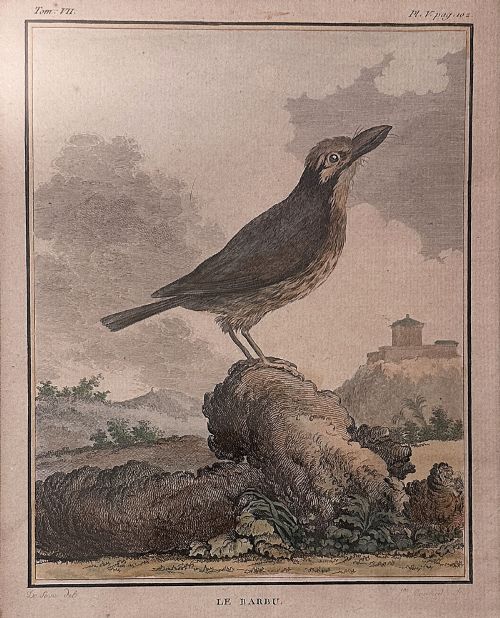
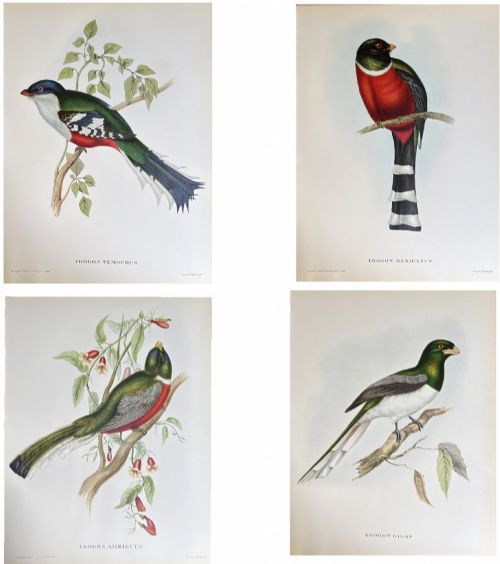
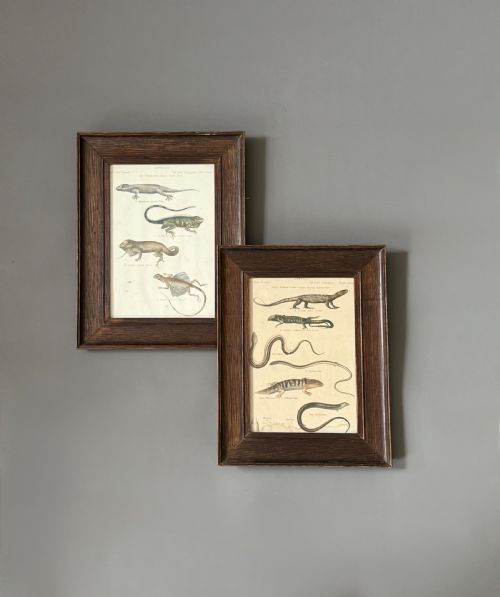
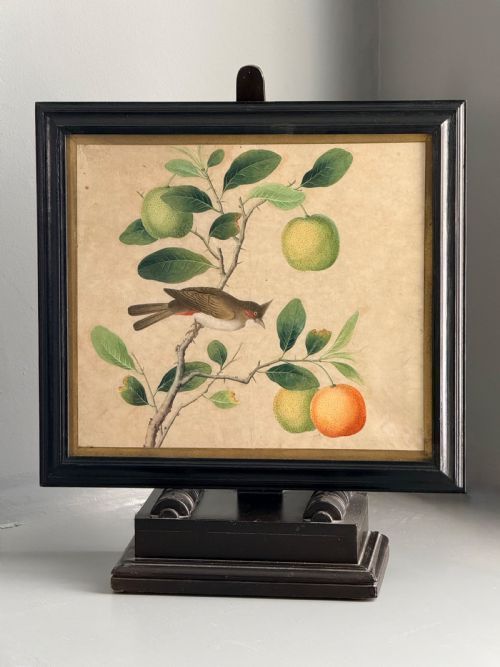
Antique natural history pieces capture the wonder of the natural world through preserved specimens, detailed taxidermy, and hand-coloured botanical or zoological illustrations.
Antique Natural History
When you search for antique natural history, you encounter a diverse gathering of scientific specimens, taxidermy, cabinets, and framed prints. These items reflect a historical fascination with catalogising and displaying the wonders of the natural world inside domestic spaces.
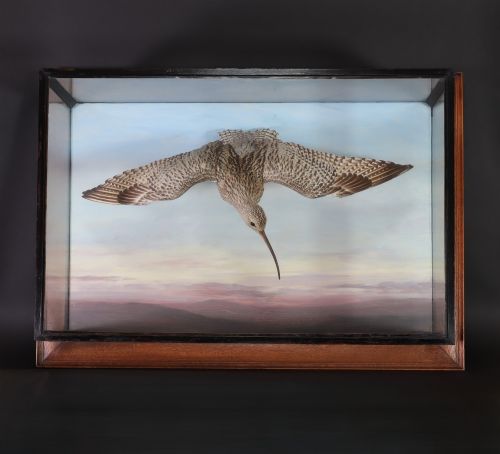
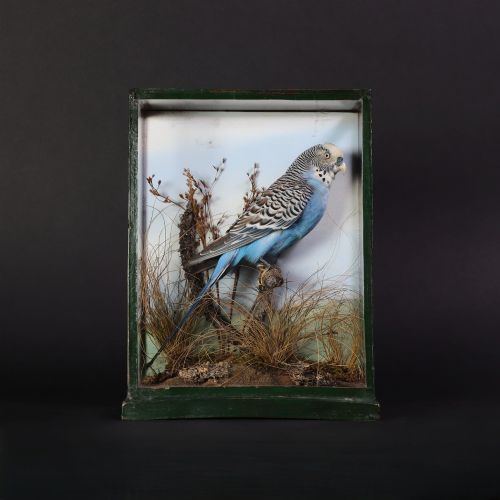
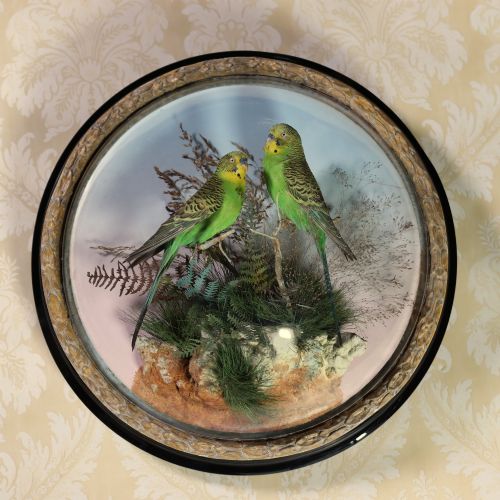
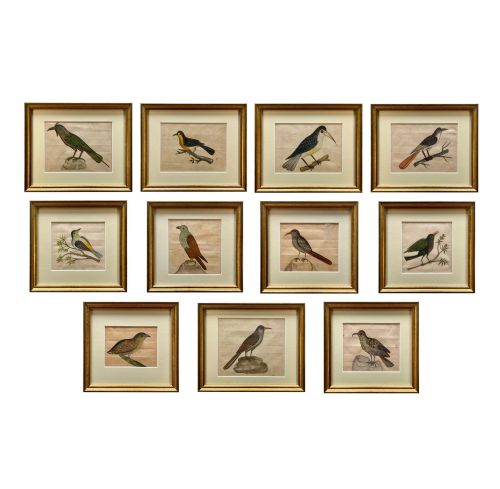
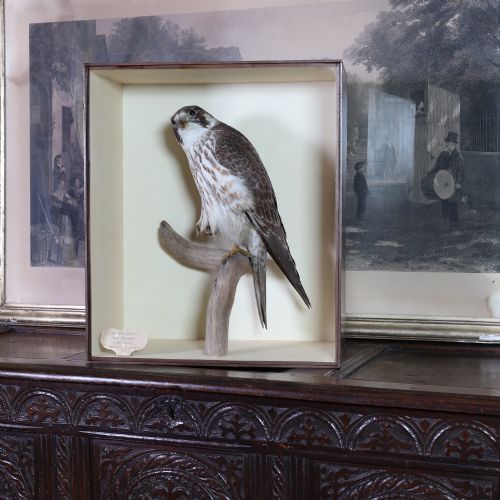
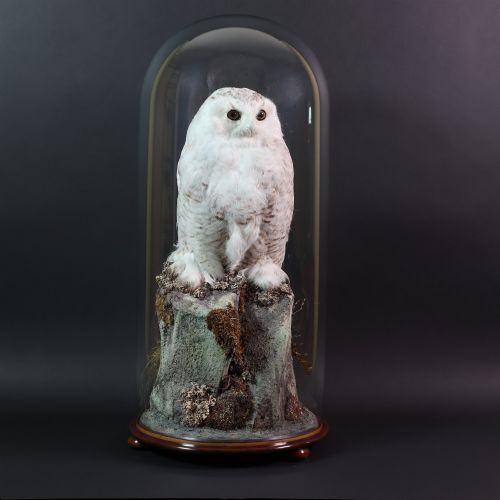
The objects most frequently met on this page include Victorian taxidermy cases, framed bird lithographs, and specimen collections such as coral, shells, and insects. Makers often arranged these pieces in glass domes or custom wooden cabinets designed to protect fragile materials.
Originating largely from the eighteenth, nineteenth, and early twentieth centuries, these works bridge the gap between scientific study and decorative art. Collectors acquire them to bring a sense of historical enquiry and organic form into modern interiors.
Materials and Techniques
Makers constructed these works using natural organic materials combined with traditional joinery, framing, and glassblowing techniques. Taxidermy mounts rely on preserved skins shaped over wire and plaster armatures, frequently housed within glass-fronted wooden display cases or glass domes.
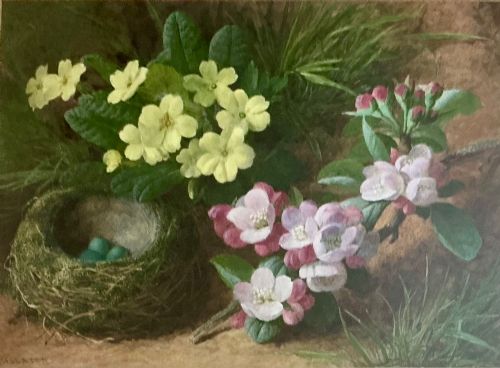
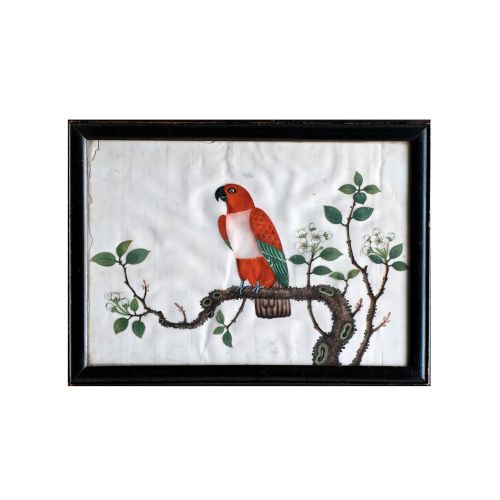
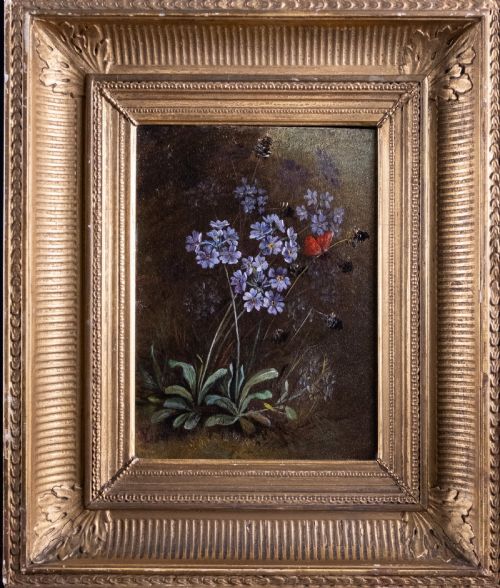
Illustrations and plates utilise paper, ink, and watercolour, often employing hand-colouring over copperplate engravings or early lithographs. Cabinets utilise hardwoods such as oak, fitted with numerous shallow drawers designed specifically to store delicate insect collections.
Antique Natural History Retail Price Guide 2026
Typical asking prices for natural history among the pieces listed under this phrase on Sellingantiques today, from the lower quarter to the upper quarter. They describe what is for sale here now, not the wider market.
Even a preserved roach finds its place among nineteenth-century curiosities.
Evaluating Quality
Quality in antique natural history rests upon the skill of the taxidermist, artist, or cabinet maker and the preservation of the specimen. Superior taxidermy maintains lifelike posture, anatomical accuracy, and vibrant plumage or fur, whereas inferior work appears rigid or distorted over time.
For works on paper, the crispness of the engraving and the subtlety of the hand-applied watercolour define the tier of the piece. Cabinets derive their standing from the density of the timber, the precision of the drawer construction, and the integrity of the original brass fittings.
Little & Co·J Griffiths of Burford·James Gardner·Rowland Ward Ltd·T E Gunn·William Bazeley & Sons·Watkins & Doncaster
The Antique Natural History Glossary
- Taxidermy
- The art of preparing, stuffing, and mounting the skins of animals for display. Skilled practitioners create realistic poses that reflect living specimens.
- Lithography
- A planographic printing process using a flat stone or metal plate. Artists use this method to produce detailed natural history prints and book illustrations.
- Coco de Mer
- A palm species native to the Seychelles bearing a large, uniquely shaped double nut. Collectors prize these natural shells as curiosities.
- Diorama
- A three-dimensional scene depicting animals in a simulated natural habitat. These displays often include painted backgrounds and artificial foliage.
Antique Natural History: Frequently Asked Questions
What is antique natural history?
Antique natural history encompasses preserved animal specimens, scientific instruments, collectors' cabinets, and illustrated prints dating from the eighteenth to the early twentieth century. These items were originally gathered for scientific study and domestic display during periods of intense exploration.
Today, they serve as decorative and historical artefacts that highlight past approaches to understanding and classifying the natural world.
How should I display taxidermy?
Display taxidermy away from direct sunlight and high humidity to protect fragile feathers, fur, and paper components. Glass domes and sealed display cases help shield delicate mounts from dust and environmental fluctuations.
Positioning pieces in stable indoor environments ensures the preservation of organic materials over long periods.
How do I identify Victorian pieces?
Victorian natural history items often feature specific stylistic markers such as ebonised wood frames, complex background dioramas, and handwritten specimen labels in ink. Examining the backing materials, glass types, and framing techniques helps confirm the period.
Maker signatures or labels pasted inside cabinets or on the underside of bases provide definitive attribution.
What are insect cabinets used for?
Insect cabinets are specialised wooden furniture pieces containing multiple shallow drawers lined with cork or soft paper. Naturalists used them to pin, organise, and protect large collections of butterflies, beetles, and other entomological specimens.
The tight-fitting drawers prevent light and pests from damaging the fragile contents inside.