






Antique Book Set
An antique book set brings literary history and uniform shelf presence together through matched volumes spanning centuries of publishing.
Antique Book Set
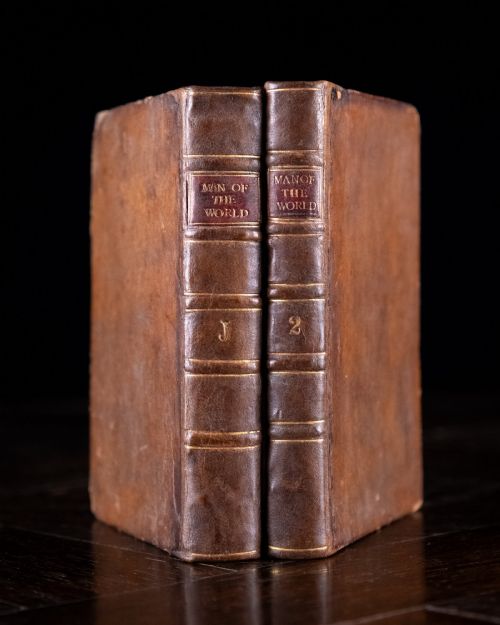
An antique book set comprises multiple volumes published or bound together, ranging from two-book editions to extensive multi-volume author collected works. When exploring this category, buyers encounter literary classics, historical surveys, and specialised reference collections spanning the eighteenth through the early twentieth centuries.
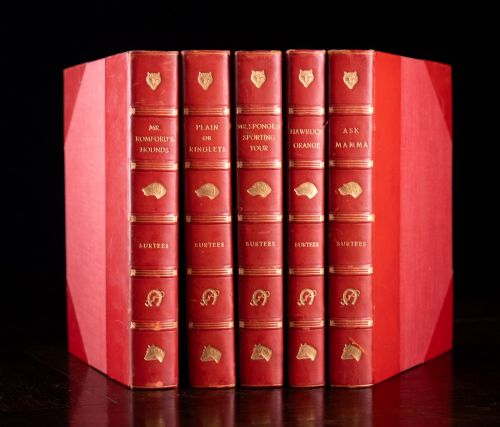
The format extends beyond traditional literature into multi-volume sporting novels, poetry anthologies, and multi-part histories. These collections preserve the editorial standards and typography of their original printing eras within coordinated physical bindings.
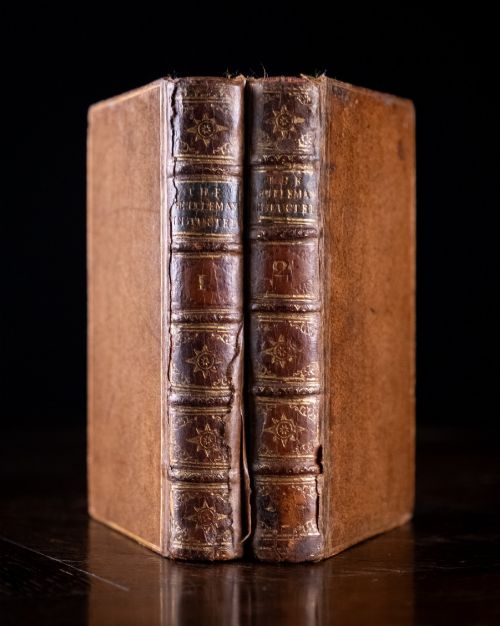
Most examples originate from the Victorian and Edwardian periods, alongside eighteenth-century printings bound in calfskin or vellum. Uniform publisher bindings and custom library rebindings dominate the selection available to collectors.
Materials and construction methods
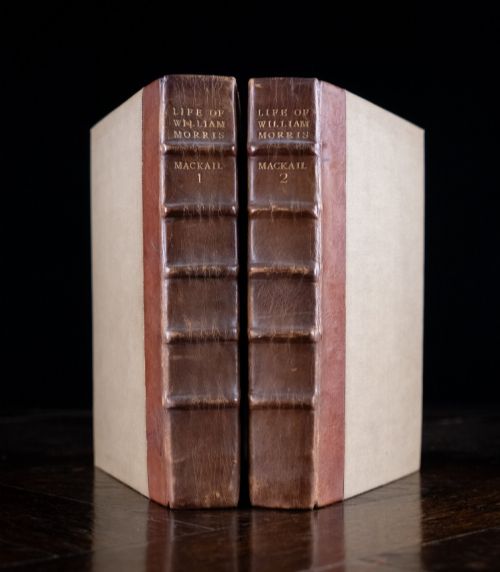
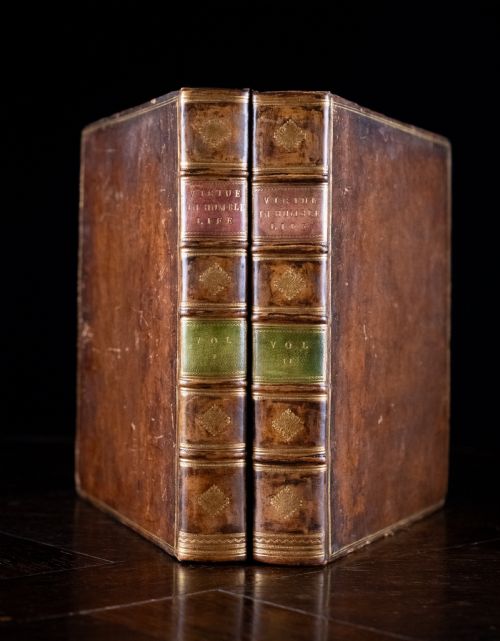
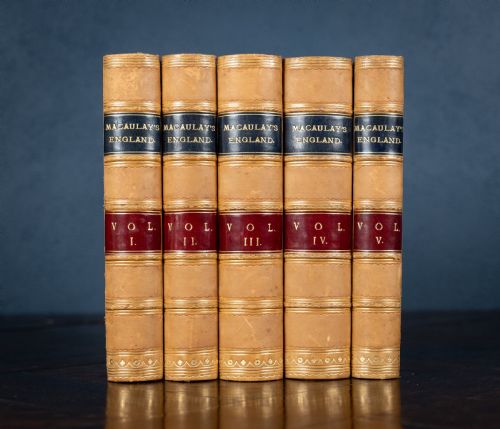
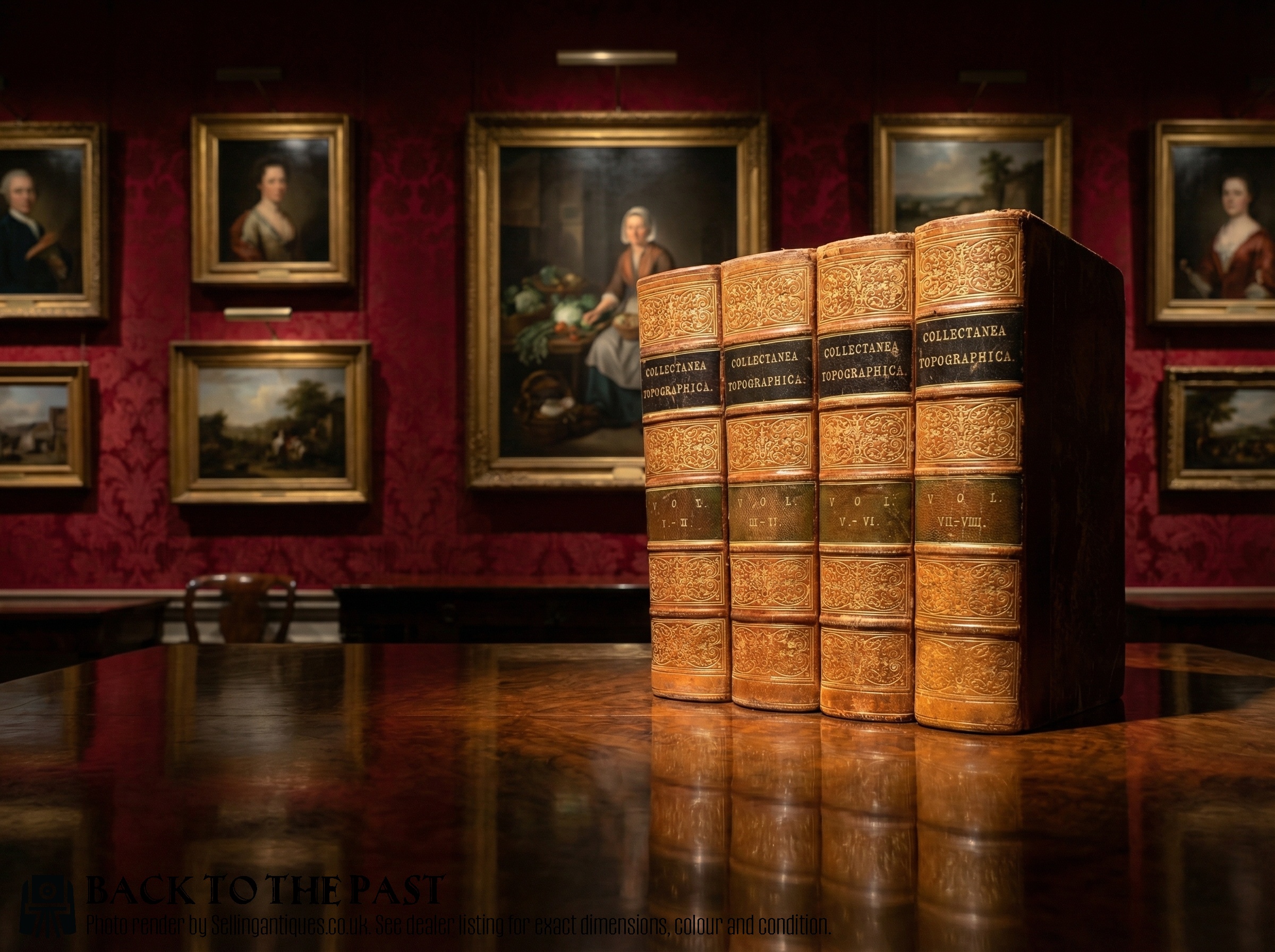
Binders utilised organic materials including calfskin leather, vellum, cloth, and paper, reinforced with internal board and sewn signatures. Spines frequently incorporated raised bands, marbled paper boards, and applied gold leaf lettering.
Printers employed rag paper and metal alloy type, assembling texts into multi-volume series often housed within matching slipcases or bespoke bookcases. Decorative elements relied on brass hardware, ormolu mounts, and blind-tooled stamping.
Antique Book Set Retail Price Guide 2026
Typical asking prices for book set among the pieces listed under this phrase on Sellingantiques today, from the lower quarter to the upper quarter. They describe what is for sale here now, not the wider market.
Listings feature multi-volume sets spanning from the eighteenth century through the Edwardian era, bound in calfskin, vellum, and cloth.
Factors determining quality
Quality rests upon the uniformity of the set, the completeness of all volumes, and the original integrity of the binding materials. Sets retaining matching contemporary bindings command greater interest than those assembled piecemeal from disparate printings.
The significance of the author, the presence of original illustrations by artists such as Gustave Doré, and the tactile quality of the tooling elevate certain editions above standard reference runs.
Tiffany Studios New York·J. & R. Tonson
The Antique Book Set Glossary
- Calfskin
- A fine leather derived from the hide of a calf, utilised extensively for historical book bindings due to its smooth surface and durability. It takes tooling and gilding exceptionally well.
- Vellum
- A prepared animal skin used for manuscript leaves and book covers, prized for its pale, durable surface. It resists wear and provides a distinctive tactile quality.
- Gold Leaf
- Gold beaten into an extremely thin sheet, applied to book spines and covers during the tooling process. It creates lasting metallic lettering and ornamentation.
- Raised Bands
- Horizontal ridges across a book spine formed by the underlying cords or tapes to which the paper sections are sewn. They indicate traditional hand-binding construction.
- First Edition
- The initial published appearance of a text from the original setting of type. These printings hold particular significance for textual scholarship and collection value.
Antique Book Set: Frequently Asked Questions
Are multi-volume sets usually complete?
Completeness varies significantly among older multi-volume sets due to centuries of domestic movement and accidental separation. Checking the stated volume count against the publisher's original collation ensures the set remains whole.
Many listings specify exact volume numbers, such as six-part biographies or twelve-volume drama collections. Verified complete runs hold greater structural and literary integrity for a collection.
What is the difference between publisher cloth and leather bindings?
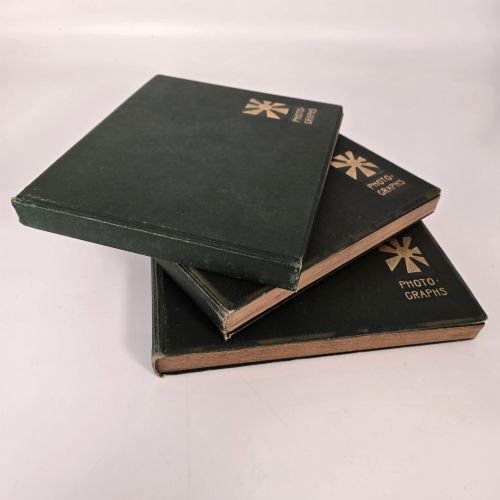
Publisher cloth bindings emerged during the nineteenth century as mechanised publishing expanded edition sizes. These textile covers offered durable everyday housing for novels and reference series.
Leather bindings, conversely, represent custom craftsmanship or deluxe publisher tiers designed for prominent library display. Calfskin and vellum finishes provided tactile elegance and prestige for serious private collections.
How can I tell the publishing period of an antique set?
Title pages frequently display explicit publication dates, while printer imprints and volume frontispieces provide further chronological clues. Examining the typography, paper texture, and binding style helps confirm the production era.
Stylistic shifts between Georgian calf bindings, Victorian cloth stampings, and Edwardian minimalist lettering offer reliable visual markers for dating.