



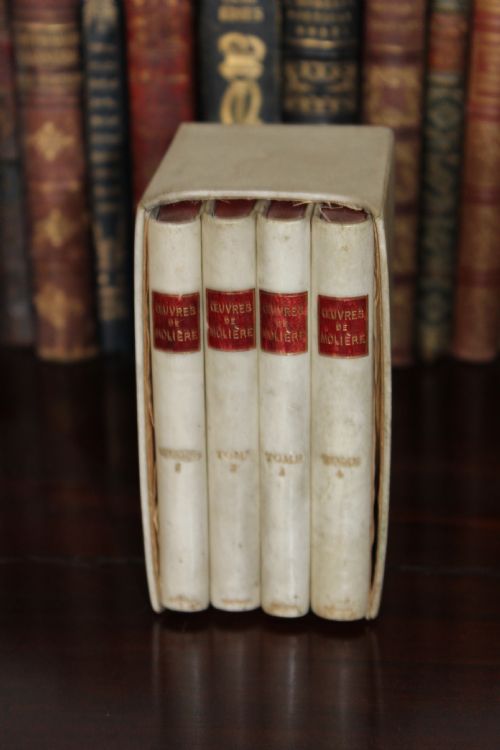
Classic Literature Set
A classic literature set brings together historical volumes in uniform bindings, offering both literary heritage and visual harmony on the shelf.
Classic Literature Set
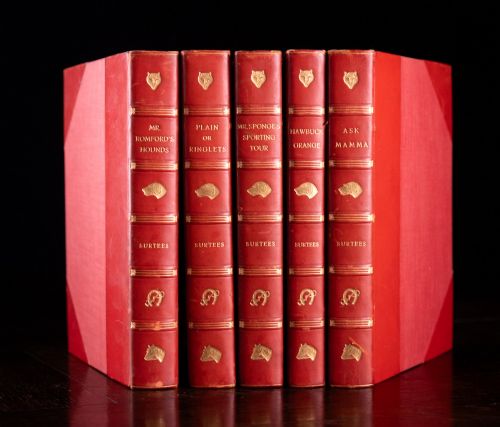
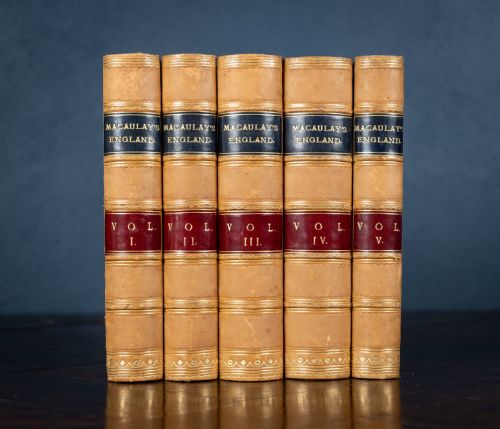
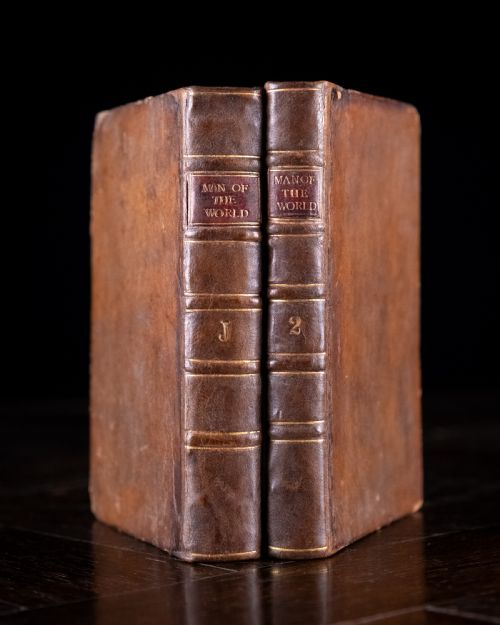
A classic literature set gathers multi-volume works of fiction, poetry, history, and drama, often bound to match one another as a cohesive collection. Buyers searching for a classic literature set encounter nineteenth-century editions most frequently, alongside eighteenth-century works and twentieth-century decorative sets.
The selections range from multi-volume Shakespeare plays and historical chronicles to expansive editions of Sir Walter Scott, Anthony Trollope, and Charles Lamb. These sets frequently originate from Victorian, Georgian, Regency, and Neoclassical periods, reflecting the eras in which the literature was compiled and rebound.
Formats vary widely from concise four-volume sets to extensive editions containing dozens of volumes, intended both for reading and for furnishing libraries.
What varies in quality
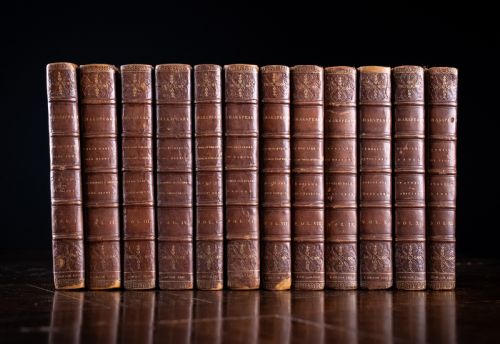
The standard of binding uniformity largely determines the distinction between ordinary multi-volume groupings and superior sets, with matched calf leather and consistent tooling representing higher craftsmanship. The condition of the paper and the integrity of the original sewing structure also influence the overall standard.
The presence of period illustrations, such as engravings by artists like Gustave Dore, elevates the desirability of a set above standard text-only editions.
Listings span the eighteenth, nineteenth, and twentieth centuries, featuring paper, leather, gold leaf, cloth, and marbled paper.
Thomas Babington Macaulay·William Shakespeare·Henry Mackenzie·Sir Walter Scott·Alfred Tennyson·Anthony Trollope·Cervantes·Gustave Dore·Richard Whately·Sophie Rista Cottin·Jean Baptiste Poquelin
The Classic Literature Set Glossary
- Calfskin
- A fine leather prepared from calf hide, prized in period bookbinding for its smooth surface and suppleness. It accepts gold leaf tooling exceptionally well.
- Gilt
- A thin layer of gold applied to book edges or leather bindings for decoration. This technique protects the paper edges from dust and adds visual richness.
- Marbled paper
- Paper decorated with colourful swirling patterns resembling marble, traditionally used for endpapers inside the covers. It provides a distinct decorative contrast to leather spines.
- Neoclassical
- A style drawing inspiration from classical antiquity, influencing the restrained architectural decoration found on many nineteenth-century bindings. It favours symmetry and classical motifs.
Classic Literature Set: Frequently Asked Questions
Are these sets complete?
Many listings offer complete multi-volume works, such as twelve-volume Shakespeare plays or multi-book novel collections, while others represent selected portions of a larger author's output.
Buyers should examine the specific volume count in each description to understand whether the set is a complete edition or a curated selection.
How do I date a set?
Dating relies on title page publication dates, publisher imprints, and stylistic evidence from the binding materials such as Victorian cloth or Georgian calf leather.
Many nineteenth-century sets were published over several years, resulting in date ranges spanning a decade across the volumes.
Can I read these books?
Most antiquarian sets remain structurally sound for careful reading, provided the bindings and sewing supports are handled with respect for their age.
Certain delicate bindings with fragile paper or worn joints are better suited for decorative display in a library or study.
What is a furnishing set?
Furnishing books are sets selected primarily for their visual impact, uniform spine heights, and decorative leather colours to fill large library shelves.
These collections balance literary historical interest with interior design utility.