

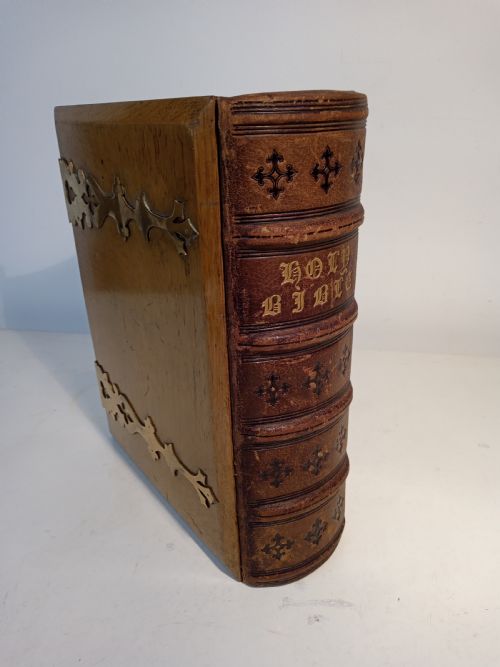


Brown Bound Books
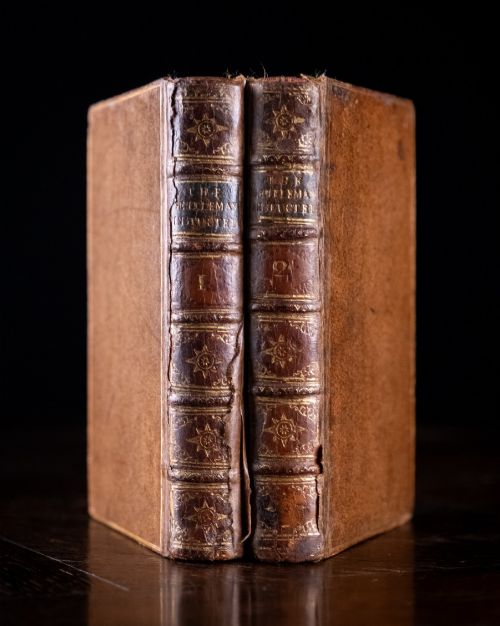
Brown bound books bring together centuries of history, literature, and craft in durable leather covers designed to last.
Brown Bound Books
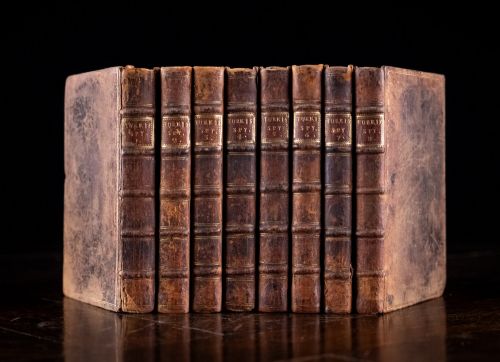
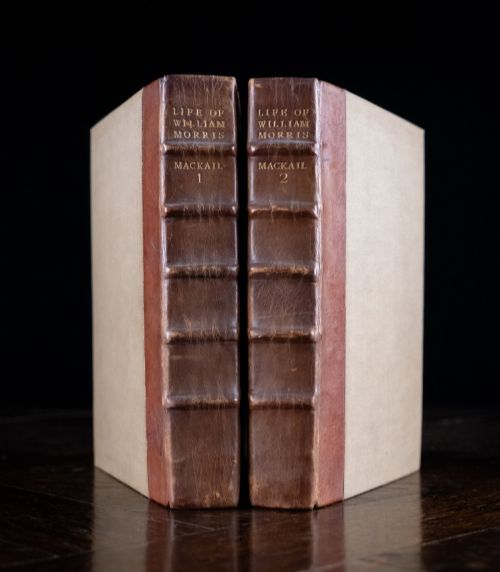
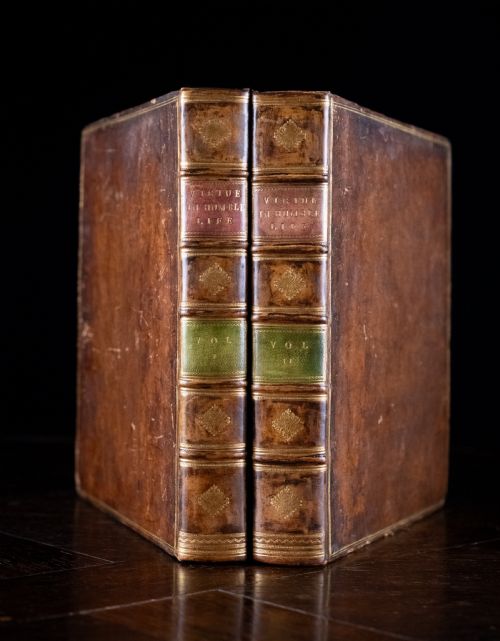
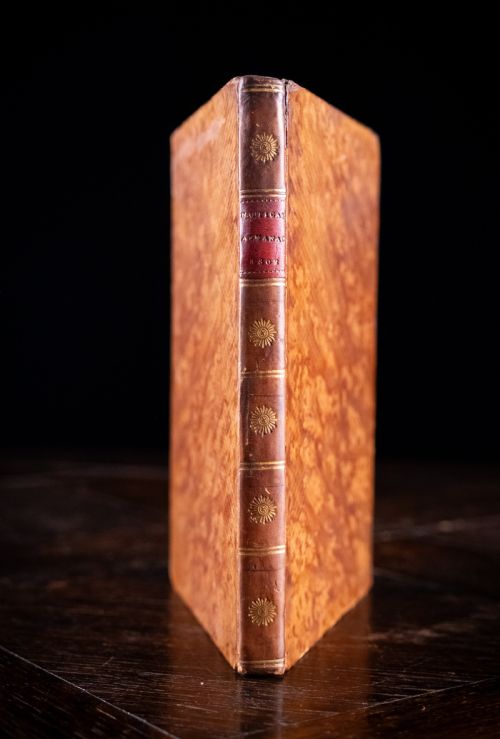
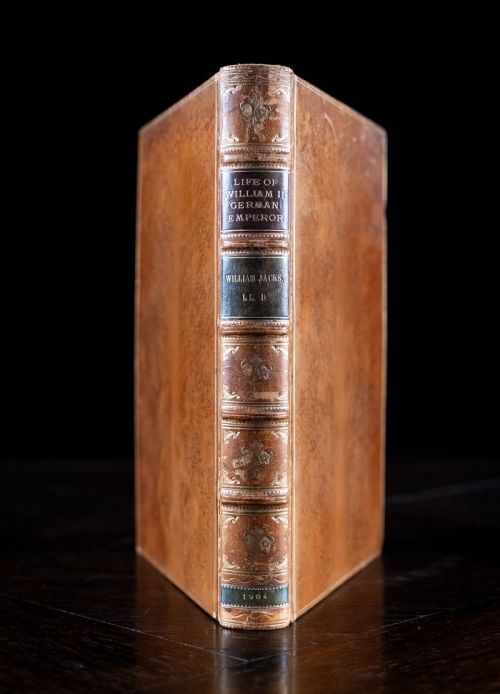
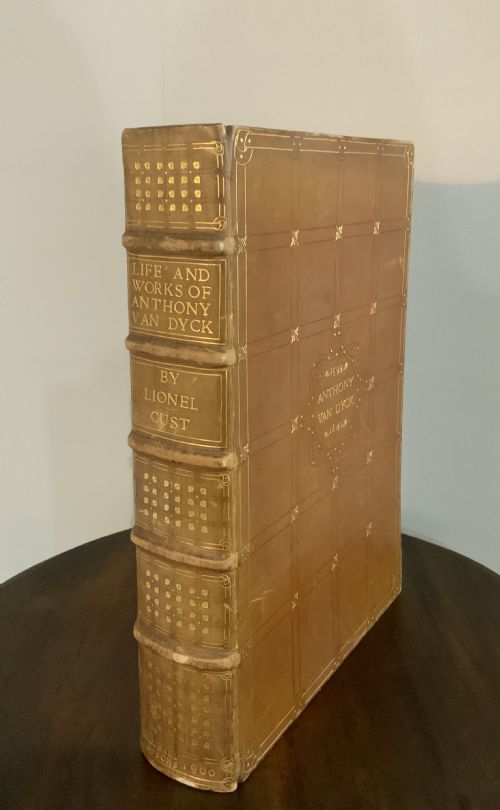
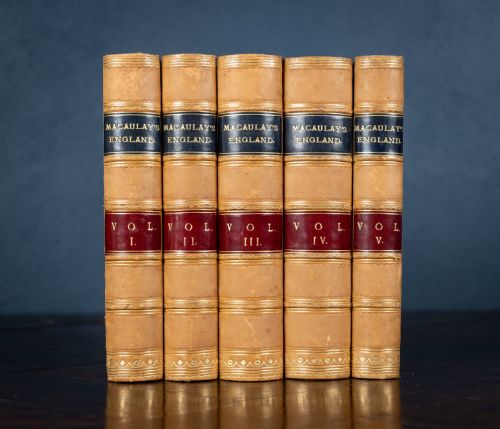
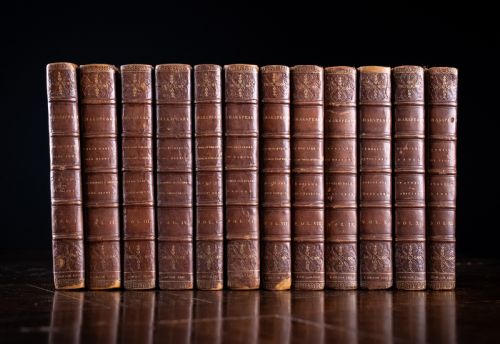
Brown bound books encompass a wide variety of antiquarian literature, multi-volume sets, and decorative volumes spanning the eighteenth, nineteenth, and early twentieth centuries. When searching for brown bound books, buyers encounter single editions alongside extensive multi-volume collections of historical works, poetry, and prose.
Most examples originate from the Victorian and Edwardian eras, as well as the Georgian period, reflecting the widespread preference for sturdy leather bindings in domestic libraries. These volumes range from scholarly reference sets to decorative furnishing pieces utilised to adorn historical interiors.
Materials and Construction
The construction of these volumes relies heavily on natural materials, utilising calfskin, calfskin leather, and cloth over sturdy wooden or paper boards. Binders secured the text blocks using traditional stitching methods before encasing them in durable leather skins.
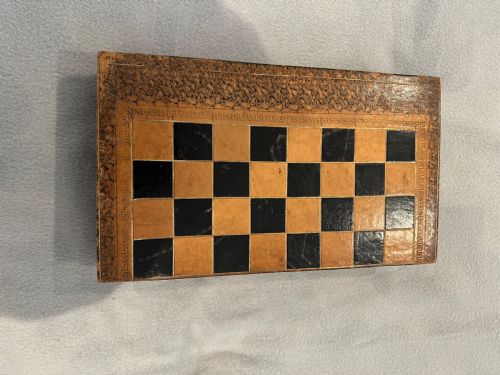
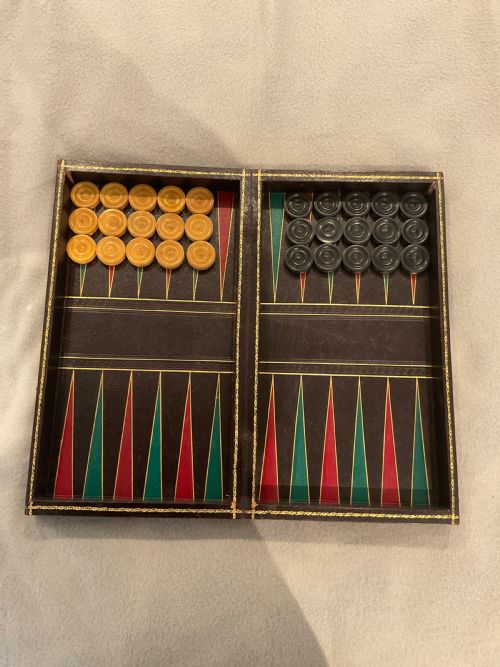
Several volumes cleverly disguise themselves as ordinary literature while actually functioning as wooden games boards.
Assessing Quality and Condition
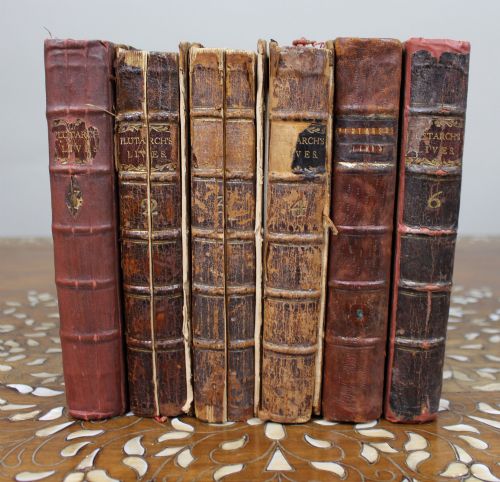
Quality in these volumes is determined by the integrity of the original binding, the precision of the gold leaf tooling, and the uniformity of matching sets. Multi-volume works that retain their original uniform calfskin bindings across every book command greater appreciation than assembled sets with mismatched covers.
The clarity of the typography, the presence of original plates or illustrations, and the structural soundness of the spine joints dictate the overall standard. Finer examples display crisp blind stamping, unblemished leather surfaces, and well-preserved endpapers that indicate careful historical preservation.
J. & R. Tonson·J. Wheble·Jean Dassier
The Brown Bound Books Glossary
- Calfskin
- A fine, smooth leather prepared from the hide of a calf, frequently utilised for high-quality book bindings due to its pliable texture. It accepts gold leaf tooling exceptionally well.
- Gilt tooled
- A decorative technique where gold leaf is impressed onto leather using heated metal tools to create lettering and ornamental designs. This method adds both brilliance and durability to the spine and boards.
- First edition
- The earliest commercially produced appearance of a specific text published from the initial setting of type. Collectors often seek these out for their textual significance.
- Miniature book
- An extremely small volume, typically measuring under a few inches in height, produced as a demonstration of technical skill or for personal devotion. Thumb bibles represent a common historical form of this genre.
- Text block
- The assembled and sewn pages of a book before the outer cover is attached. It forms the core structural element of any bound volume.
Brown Bound Books: Frequently Asked Questions
How do I care for leather bound books?
Leather requires stable environmental conditions away from direct sunlight and excessive humidity to prevent the material from drying out or cracking.
Gentle dusting with a soft, dry cloth helps maintain the surface, while specialised leather dressings can preserve the suppleness of older calfskin covers.
Are multi-volume sets always complete?
Many historical sets survive intact, though some long runs or multi-volume works may show minor discrepancies in publication dates or publisher imprints across the collection.
Checking the title pages and volume numbers against the publisher's original specification confirms whether every intended book remains present in the set.
What is the difference between a reading set and a furnishing set?
Reading sets were originally purchased by private libraries for study and enjoyment, featuring significant literary, historical, or theological works by notable authors.
Furnishing sets were often selected primarily for the aesthetic uniformity of their spines to decorate large country house drawing rooms and institutional shelves.
How can I identify the age of a leather bound book?
Dating relies upon examining the title page for printed publication years, alongside typographical styles, paper quality, and historical binding conventions characteristic of specific centuries.
Dedication pages, preface dates, and contemporary ownership inscriptions written in ink on the flyleaves also provide reliable clues to the production era.