

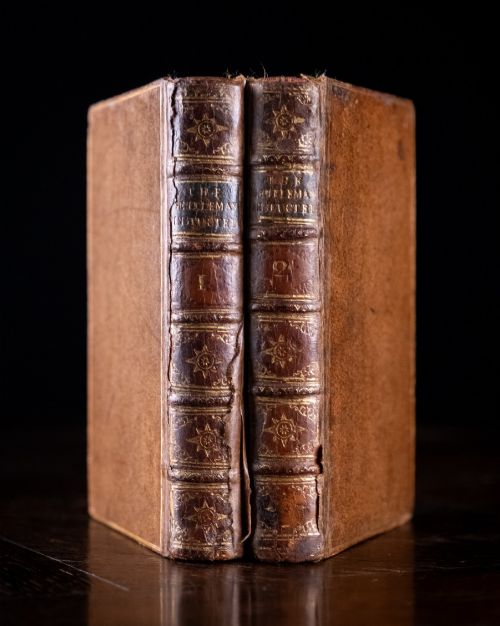
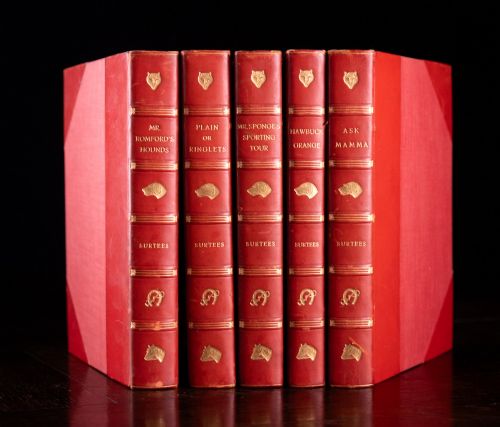
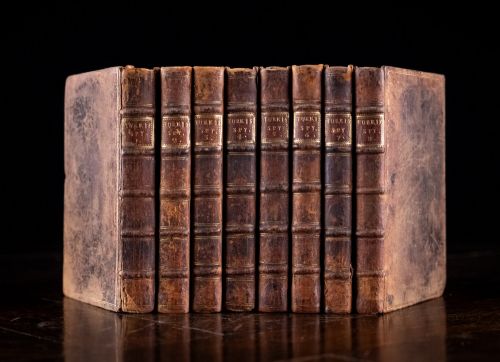
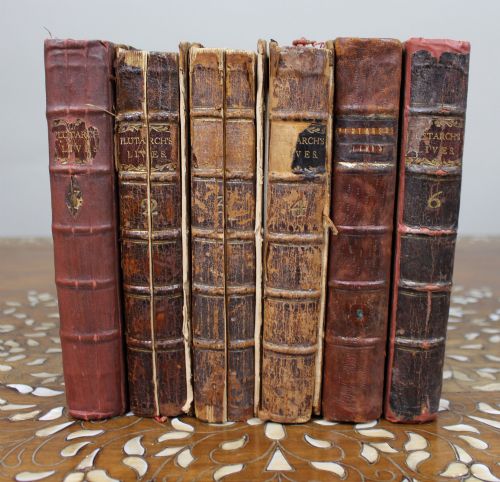




Antique Decorative Book Set
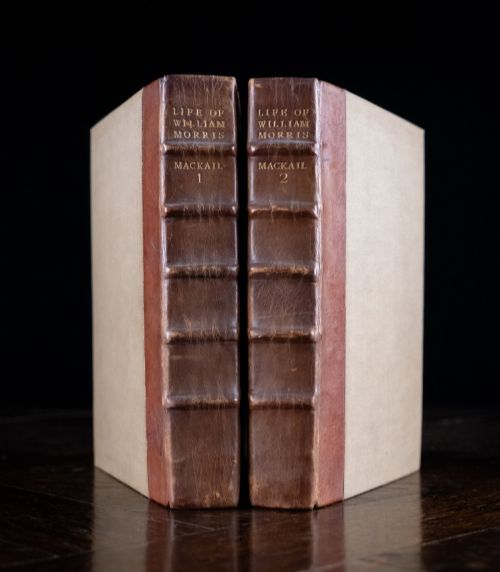
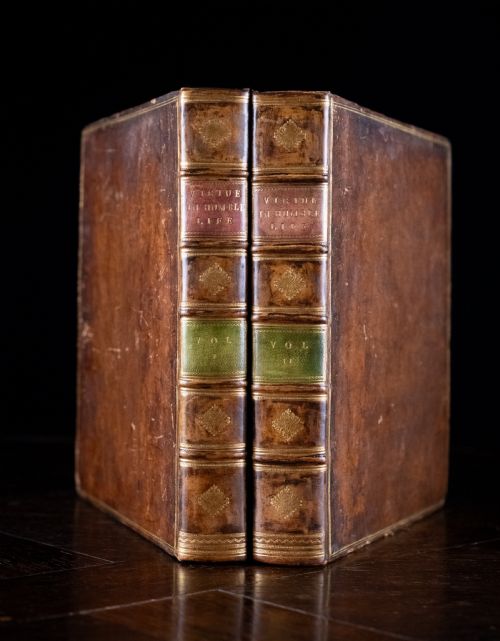
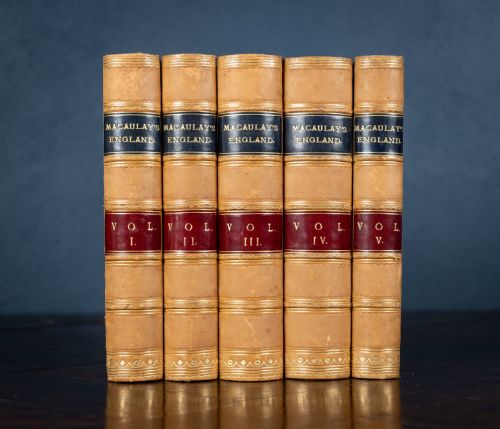
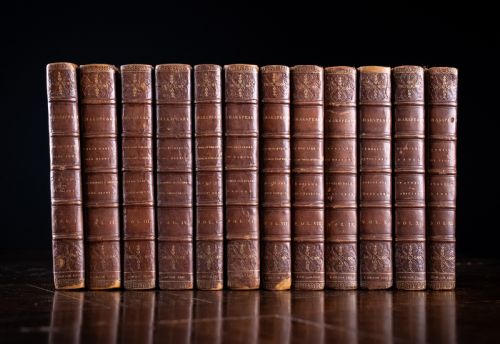
When you search for an antique decorative book set, you are looking at matched multovolume library editions bound for display and reading.
Antique Decorative Book Set
An antique decorative book set comprises multiple volumes published together or bound uniformly as a matched suite. These sets span literature, philosophy, history, and natural science, often gathered to fill library shelves with uniform spines.
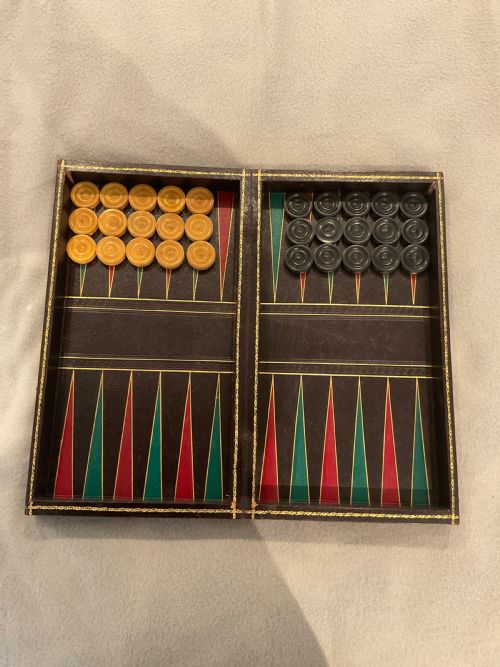
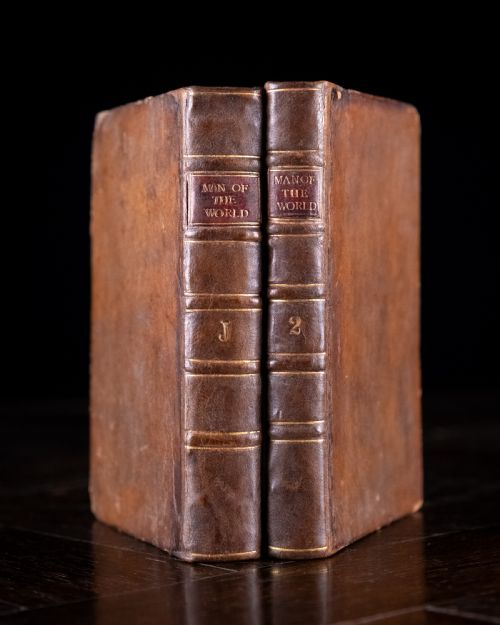
The selections on this page draw from eighteenth-century imprints through to the Edwardian period, encompassing multi-volume novels, collected plays, and historical reference works. Forms range from extensive novel runs to compact pairs and occasional items like leather-bound faux book games boards.
Originating largely from British and European presses, these sets reflect historical reading tastes, from Shakespearean drama and Waverley novels to specialised sporting and topographical reference volumes.
How They Were Made
Binders constructed these volumes using structural materials such as calfskin, vellum, and cloth over sturdy wooden or millboard cores. Spines and boards received reinforcement through sewing techniques designed to withstand frequent consultation.
Decoration relied on gold leaf tooling applied to leather or vellum, creating contrasting lettering pieces and ornamental raised bands along the spine. Paper blocks were frequently trimmed and finished to match the exterior presentation.
Some volumes disguised themselves as literature while concealing a games board within.
What Varies in Quality
Quality rests upon the integrity of the original binding materials and the uniformity maintained across all volumes in a set. Sets that retain their matching publisher cloth, contemporary calfskin, or pristine vellum present a cohesive visual rhythm on the shelf.
The precision of the gold tooling and the legibility of spine lettering distinguish superior craftsmanship from simpler production. Completeness of the volume run and the presence of original illustrations further determine the standing of a set.
J. & R. Tonson·Henry Young & Son
The Antique Decorative Book Set Glossary
- Calfskin
- A fine leather derived from the hide of a calf, frequently used for smooth, durable book bindings that accept gold tooling well.
- Vellum
- A writing and binding material prepared from calf or sheep skin, valued for its pale, durable surface.
- Gold leaf
- Extremely thin gold beaten into sheets, applied to leather or vellum surfaces using heated tools for lettering and decoration.
- Uniform binding
- A style where multiple distinct volumes are bound in identical materials to present a matched appearance on a shelf.
- First edition
- The earliest commercial printing of a work, determined by the initial typesetting and run.
Antique Decorative Book Set: Frequently Asked Questions
What is an antique decorative book set?
An antique decorative book set is a collection of multiple volumes sharing a uniform binding, period, and subject matter. They were traditionally acquired to furnish domestic libraries with cohesive visual displays.
These sets range from classical literature and plays to historical memoirs and natural histories. Their appeal lies in both their literary content and the craftsmanship of their bindings.
How do I care for leather and vellum books?
Leather and vellum bindings require stable environmental conditions away from direct sunlight and extreme humidity fluctuations. Maintaining moderate temperatures prevents the natural materials from drying out or warping.
Gentle dusting with a soft, dry cloth preserves the surface without disturbing fragile gold tooling on the spines. Avoid using modern chemical cleaners on antique organic materials.
How can I tell different binding periods apart?
Binding styles evolved through the centuries, shifting from heavy calfskin and raised bands in the eighteenth century to embossed cloth and publisher casings in the Victorian and Edwardian eras. Examining the materials, lettering fonts, and board construction reveals the era of manufacture.
Typographical details and paper characteristics within the text block also help confirm the approximate date of the edition.
Were these sets read or just displayed?
Many multi-volume sets were actively read by their original owners, documented by contemporary owner inscriptions, marginalia, and natural reading wear to the page corners. Publishers and binders also produced matched sets specifically for decorative interior furnishing.
Whether acquired for study or display, the survival of complete multi-volume runs demonstrates careful stewardship across generations.