



Classic Literature Library Books
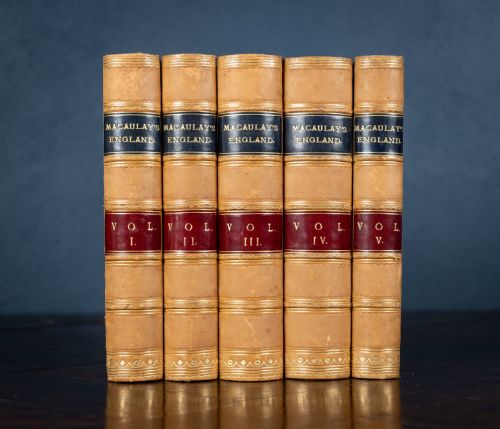
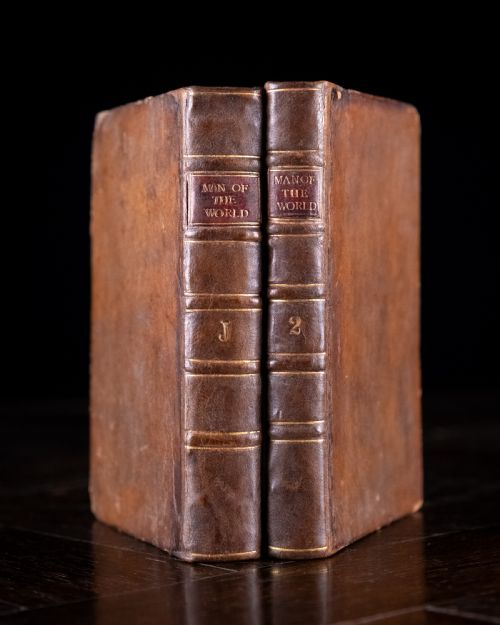
These classic literature library books bring history, drama, and philosophy into a room through calfskin bindings and gilt lettering.
Classic Literature Library Books
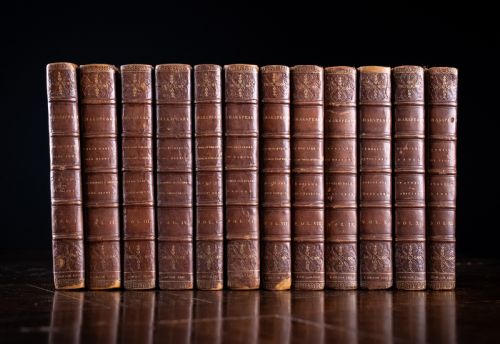
Classic literature library books comprise multi-volume sets and single antiquarian volumes spanning the eighteenth, nineteenth, and twentieth centuries. You will most frequently encounter nineteenth-century sets such as the Waverley novels by Sir Walter Scott or the works of William Shakespeare.
The selections range from historical texts and English plays to French classical literature and furnishing sets bound for visual harmony on a shelf. These volumes frequently arrive in uniform bindings that were originally commissioned for private domestic libraries.
Formats vary from extensive multivolume sets numbering dozens of books to smaller matched pairs featuring illustrations by notable artists such as Gustave Dore. Each set offers a tangible connection to the reading habits of past centuries.
What varies in quality
Quality rests primarily in the uniformity of the binding and the completeness of multi-volume sets. Complete runs preserved in matching calf leather display a significantly higher level of craftsmanship than assembled collections of disparate volumes.
The clarity of the gilt tooling on the spine and the preservation of original endpapers distinguish finer library editions. Superior sets maintain structural integrity in the hinges while retaining their original publisher or binder characteristics.
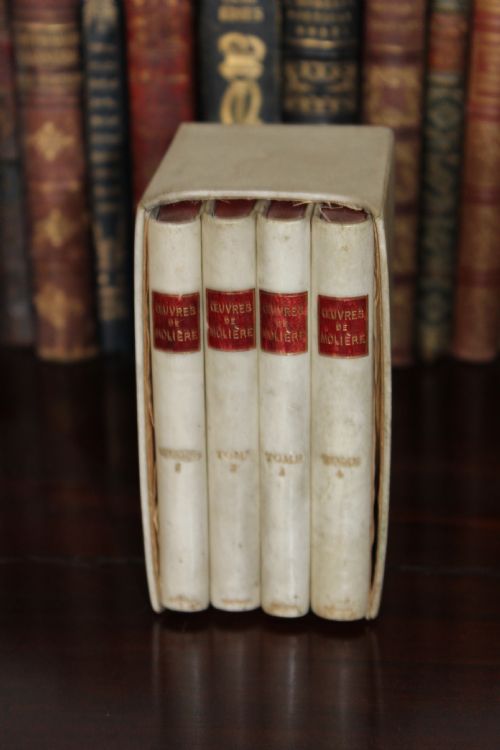
Moliere appears under his birth name Jean Baptiste Poquelin, proving that even seventeenth-century playwrights need proper credit.
The Classic Literature Library Books Glossary
- Calfskin
- A soft, supple leather prepared from the hide of a calf and frequently used for fine book bindings. This material takes tooling and gold leaf exceptionally well.
- Gilt
- A thin layer of gold applied to the edges of pages or stamped onto leather bindings. It protects the paper and adds reflective detail to the spine.
- Book set
- A collection of multiple volumes sharing an author, subject, or uniform binding style. These were designed to sit together as a single decorative and literary unit.
- Vellum
- A fine parchment prepared from calfskin or other animal skin, prized for its smooth writing surface and durability. It provides a pale, elegant alternative to dark leather bindings.
- Tooling
- The process of impressing decorative designs and lettering into book leather using heated metal tools. Gold leaf is often pressed into these impressions to create lasting gilt titles.
Classic Literature Library Books: Frequently Asked Questions
What periods do these books span?
The listings encompass editions stretching from the eighteenth century through the nineteenth century and into the mid-twentieth century. These include eighteenth-century historical works and Victorian novel sets.
Nineteenth-century publications form the largest portion of the available material, reflecting the peak era of domestic library building.
Are these complete sets?
Many offerings consist of complete multi-volume sets, such as twelve-volume Shakespeare collections or extensive runs of Sir Walter Scott's Waverley novels.
Other listings comprise partial runs or selections of uniform volumes gathered together for decorative shelf display.
What materials are used in the bindings?
Binders utilised natural materials including calf leather, calfskin, vellum, and paper boards. Spines and covers were regularly embellished with gold leaf and gilt tooling.
Some volumes feature custom rebinding in matching leather to create a uniform appearance across multiple titles.
How can I display them?
These books are traditionally arranged on library shelves or bookcases in matched sets to create a cohesive aesthetic. Uniformly bound series provide a structured look within a room.
Larger volumes with detailed illustrations work well laid flat on tables or displayed within glass-fronted cabinets.