


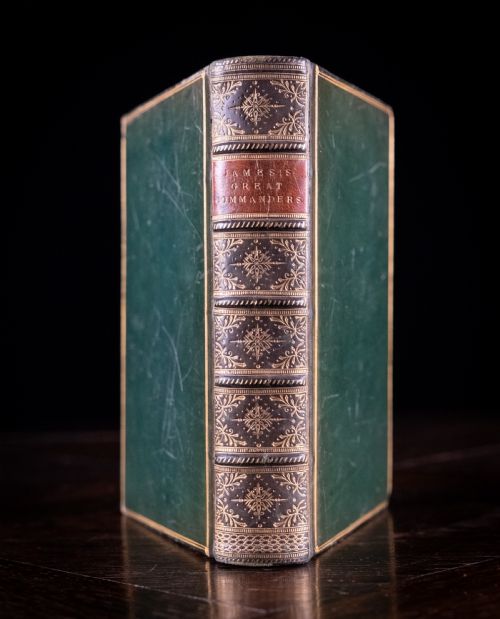


Victorian Leather Bound Books
Victorian leather bound books bring together literature, history and tangible craft, offering shelves weight, texture and a distinct period presence.
Victorian Leather Bound Books
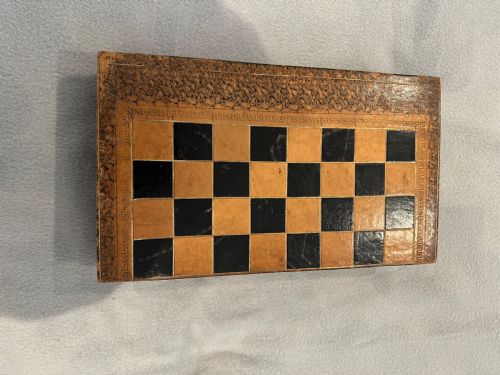
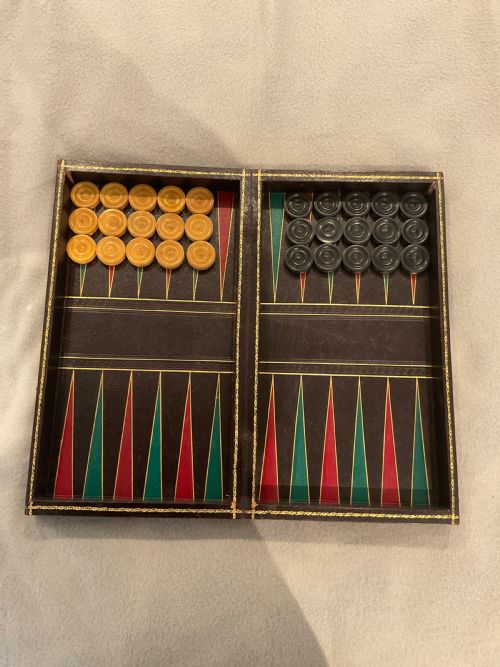
When you search for Victorian leather bound books, you encounter volumes spanning poetry, history, novels and theology, issued singly or in multi-volume sets. These items range from mid-nineteenth-century octavos to late-century miniature editions and functional novelty pieces such as faux book games boards.
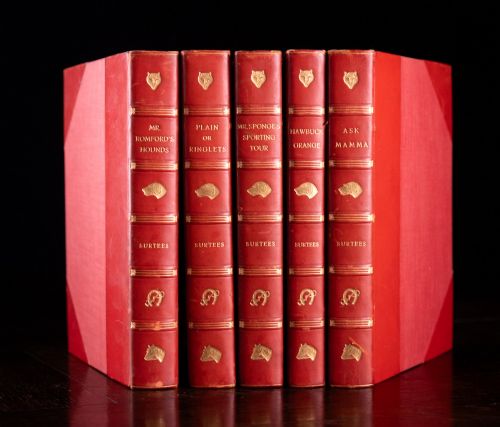
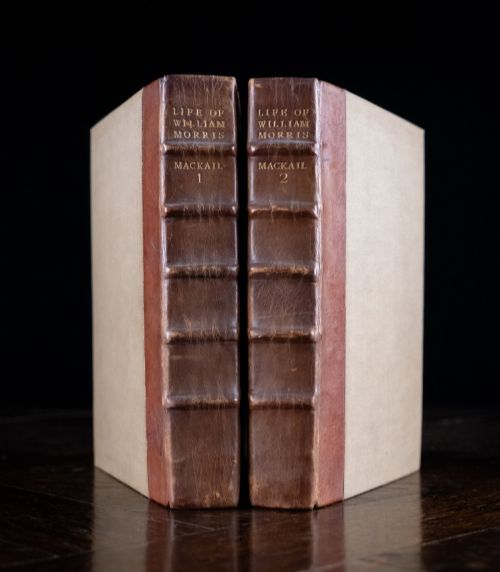
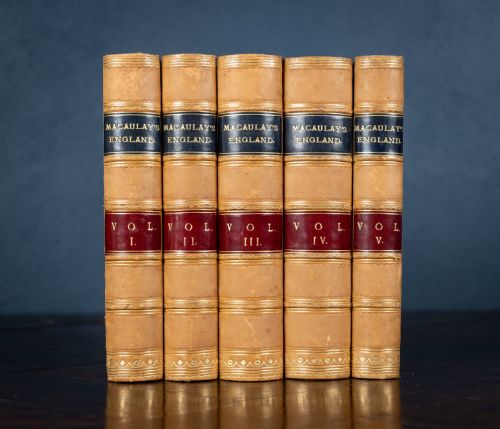
Many examples survive as uniform sets of novels, particularly multi-volume runs of Sir Walter Scott or Shakespeare, bound to sit matching on a library shelf. Single volumes of memoirs, travels and poetry also appear frequently alongside photo albums finished in blind-tooled leather.
Materials and construction
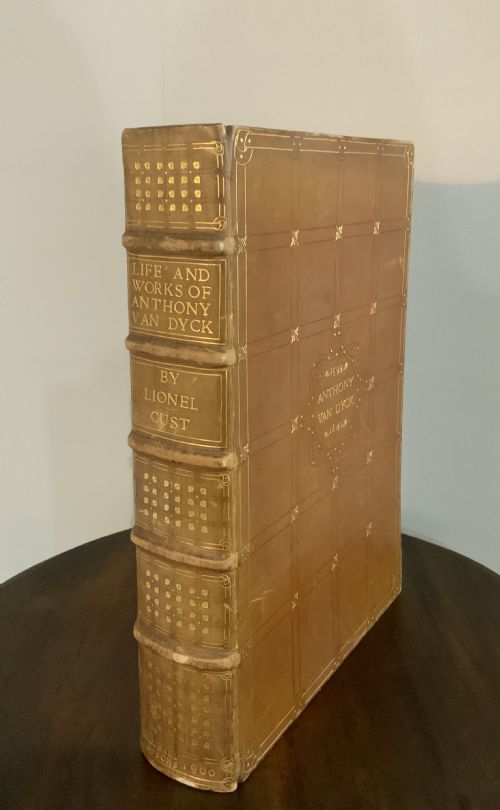
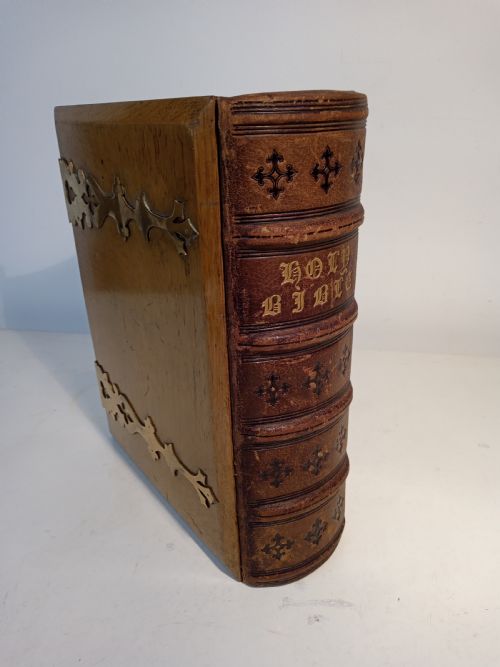
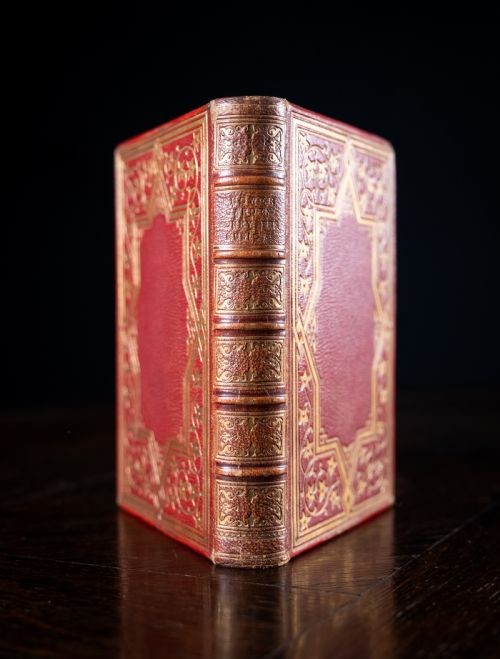
Binders utilised durable calfskin and standard leather over paper and wood boards, applying gold leaf tooling to spines and covers to create intricate decorative panels. Endpapers, cloth elements and brass clasps or hinges completed the structure of substantial editions.
Print runs incorporated high rag-content paper designed to hold ink alongside engraved plates and illustrations, bound together using traditional sewing techniques onto raised cords.
Victorian Leather Bound Books Retail Price Guide 2026
Typical asking prices for victorian leather bound books among the pieces listed under this phrase on Sellingantiques today, from the lower quarter to the upper quarter. They describe what is for sale here now, not the wider market.
Listings feature periods from the nineteenth century alongside materials including leather, calfskin, paper, gold leaf, cloth, wood and brass.
Standards of craftsmanship
Quality rests in the precision of the gold leaf tooling, the suppleness and grain of the calfskin leather, and whether multi-volume sets retain their original uniform bindings. First editions and volumes bound by notable binderies carry greater distinction than later commercial reprints.
The integrity of the internal paper block, the tightness of the sewing on the cords, and the crispness of letterpress text and illustrative plates determine the preservation level of each item.
Henry Young And Son
The Victorian Leather Bound Books Glossary
- Calfskin
- A smooth, fine leather derived from a calf, commonly selected for superior nineteenth-century book bindings.
- Gilt tooled
- A decorative technique applying gold leaf to leather using heated metal tools to press patterns and lettering into the surface.
- First edition
- The earliest printed appearance of a work, highly sought after by collectors of literature and history.
- Blind-tooled
- A method of impressing a design into leather using heated tools without applying gold or colour.
- Octavo
- A standard book size formed by folding a sheet of paper into eight leaves or sixteen pages.
Victorian Leather Bound Books: Frequently Asked Questions
How do I care for antique leather bindings?
Keep volumes away from direct sunlight and damp conditions to prevent the leather from drying out or developing mould.
Handle the spines with care when removing books from shelves, supporting the text block rather than pulling by the headcap alone.
What is the difference between single volumes and book sets?
Single volumes represent individual works, memoirs or poetry collections published independently or separated from original runs. Multi-volume sets provide uniform shelving aesthetics, often encompassing complete novels, historical accounts or dramatic works published across several years.
Are all these books from the Victorian era?
The selections span the nineteenth century, encompassing publications from the eighteen-forties through to nineteen-hundred, alongside related Edwardian examples and occasional rebound editions.
Dates are determined by title pages, historical records or stylistic indicators within the printing and binding.
Can I read these books safely?
Most volumes remain structurally sound for reading, provided pages are turned gently to protect nineteenth-century paper fibres and sewn bindings. Fragile bindings or volumes with detached boards benefit from careful handling and conservation support rather than heavy daily use.