




Antique Book Collection
An antique book collection brings historical literature, memoirs and reference sets into your study, bound in leather and cloth across the centuries.
What an antique book collection is
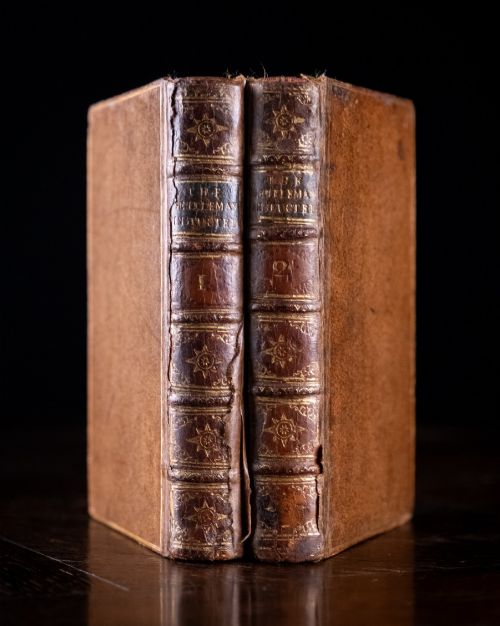
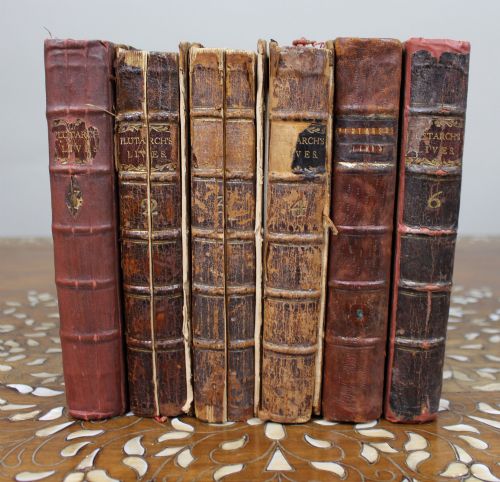
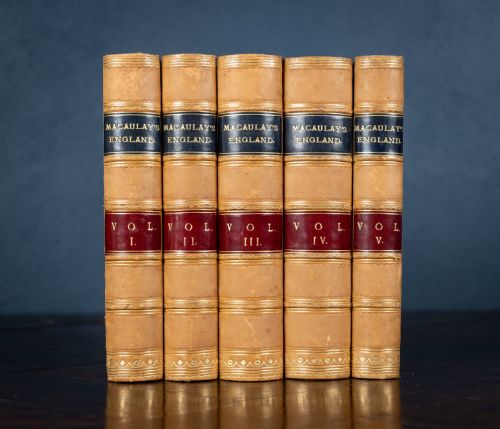
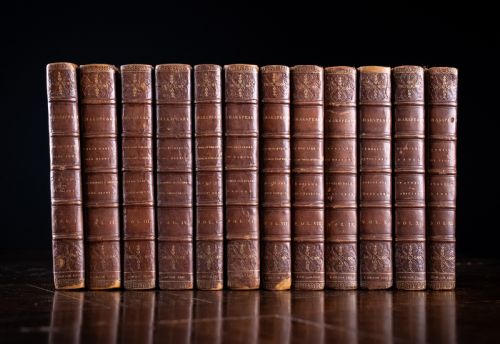
When you search for an antique book collection, you are looking at multi-volume sets, literary series and historical references gathered together by period, subject or binding. These assemblies range from single-author works like Sir Walter Scott's Waverley Novels to multi-volume sets of Plutarch's Lives and sporting magazines.
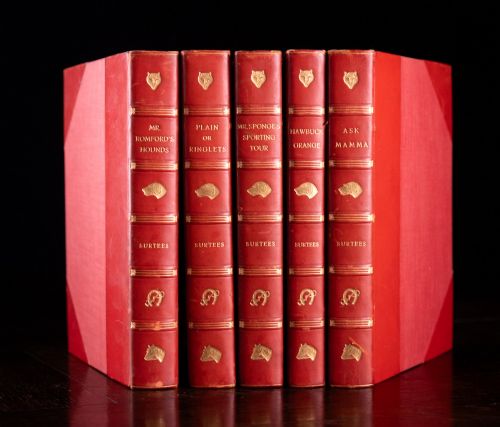
The versions you are most likely to meet on this page include matching sets from the nineteenth century, eighteenth-century historical works, and Edwardian or Georgian editions. They span subjects from law and sports to biography and general literature, often united by uniform bindings or publisher designs.
How they were made
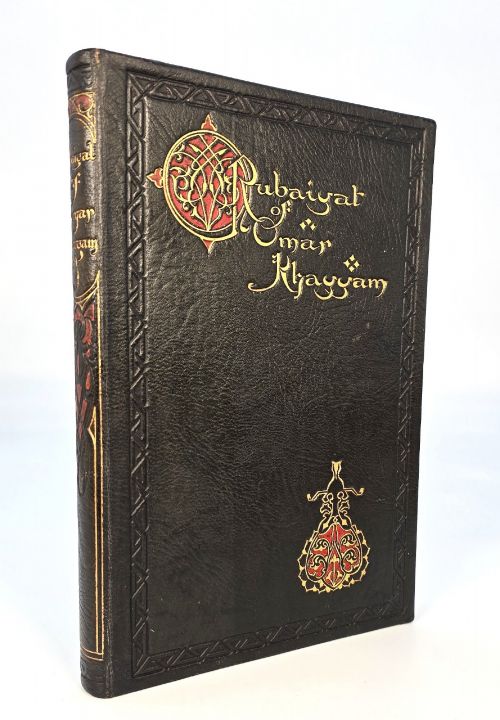
These volumes are constructed using traditional papermaking techniques, bound in materials such as leather, calfskin and cloth. Binders utilised gold leaf and gilt tooling to letter spines and decorate covers with intricate patterns.
Sets were often bound uniformly by workshops or publishers to create a cohesive appearance on library shelves, utilising durable sewing techniques for multi-volume collections.
Retail Price Guide 2026
Typical UK retail prices for book collection, calculated from the Sellingantiques database of over a million retail prices indexed since 2003. This retail price guide relies exclusively on Sellingantiques data; no external sources or auction records are used, so the figures do not describe the wider market.
One past collection recorded an extending book slide made of Tunbridge Ware alongside scrapbooks of crests and coats of arms.
What varies in quality
The distinction between a standard set and an exceptional one rests upon the integrity of the binding and the prestige of the binder. Uniformity across a multi-volume set and the presence of fine materials like calfskin separate ordinary editions from those originating in notable workshops.
Completeness dictates much of the standing of a collection. Sets retaining every original volume in matching state command greater interest than assembled groups with mixed editions or mismatched bindings.
Henry Young and Son·J and R Tonson·J Wheble
The Antique Book Collection Glossary
- Calfskin
- A fine, smooth leather derived from calf hide, frequently utilised for superior bookbindings during the Georgian and Victorian periods.
- Gilt
- A thin application of gold or gold-coloured material used to decorate the edges of pages or the lettering upon book spines.
- Gold leaf
- Hammered gold beaten into extremely thin sheets, applied to leather bindings for titles and decorative tooling.
- Cloth
- Woven textile material used for publisher bindings from the nineteenth century onward, replacing full leather for many popular editions.
Frequently Asked Questions
How are antique book collections usually organized?
Collections are typically grouped by author, publisher series, subject matter or uniform binding styles.
Many sets retain their original multi-volume structure as issued by the publisher or bound by contemporary workshops.
What materials were used for these bindings?
Binders utilised leather, calfskin and cloth over paper pages, embellishing the covers with gold leaf and gilt.
Some collections feature decorative slipcases or uniform treatments applied by specific binderies.
How do I identify the date of a collection?
Dates are usually found on the title page or within the publisher publication notices at the front of each volume.
Stylistic cues in the leatherwork, typography and binding design also help indicate the period.
How should I care for leather-bound books?
Keep the volumes away from direct sunlight and excessive moisture to protect the paper and leather bindings.
Maintain stable room temperatures and handle the spines carefully when removing books from shelves.