





18th Century Books
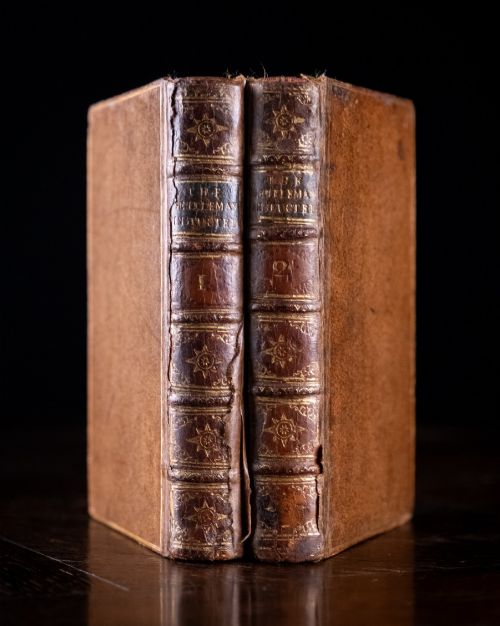
These 18th century books bring tangible Georgian and continental print, calfskin bindings and library furniture into modern rooms.
18th Century Books
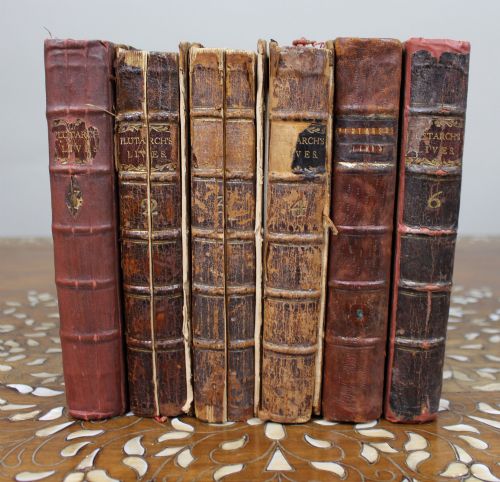
When you search for 18th century books, you encounter actual antiquarian volumes alongside the furniture built to house and read them.
The selections span multi-volume sets of sermons and letters, pocket-sized miniature editions, and practical library equipment like presses and stands.
Origin points range across English workshops, French binders and Italian presses, reflecting the broader European publishing output of the era.
Materials and construction
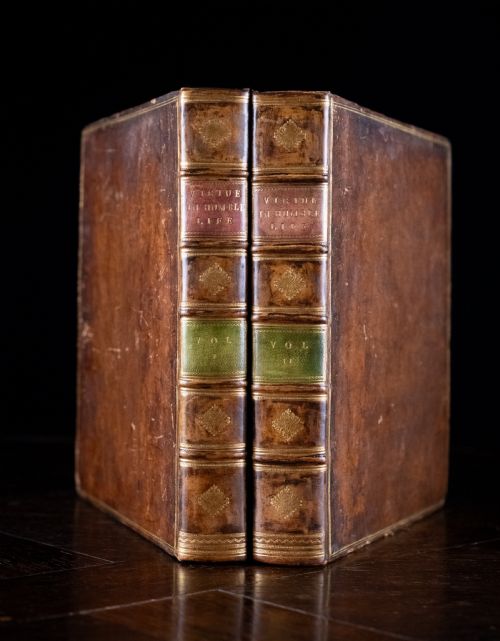
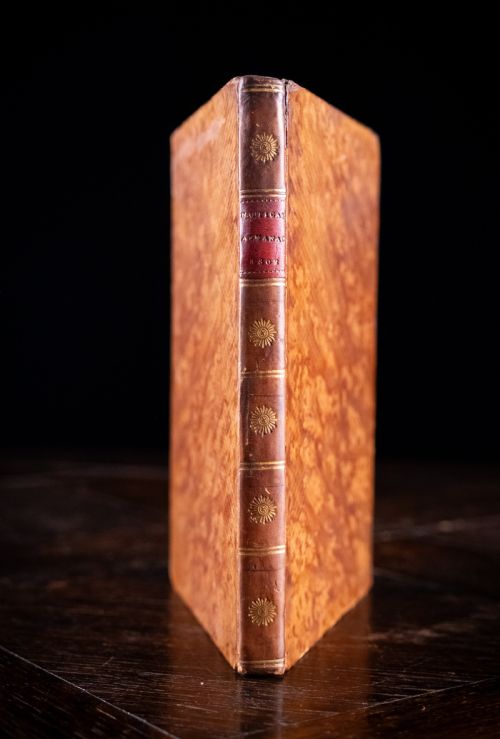
Binders utilised sturdy calfskin, vellum and leather over wooden boards, often incorporating gold leaf tooling onto the spines.
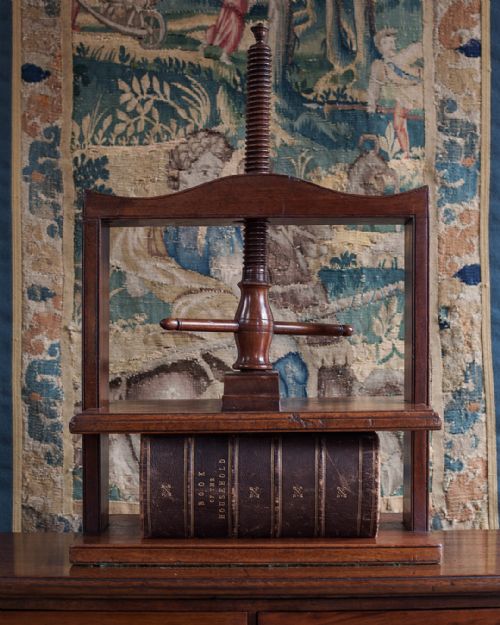
Cabinetmakers constructed the accompanying furniture in solid mahogany, oak, walnut and satinwood, applying brass fittings and screw mechanisms for presses.
18th Century Books Retail Price Guide 2026
Typical asking prices for 18th century books among the pieces listed under this phrase on Sellingantiques today, from the lower quarter to the upper quarter. They describe what is for sale here now, not the wider market.
A sturdy oak lectern shaped as an eagle with outstretched wings stands ready to hold weighty theological folios.
Standards of execution
Quality rests upon the crispness of the original paper print, the completeness of multi-volume sets and the original state of the leather bindings.
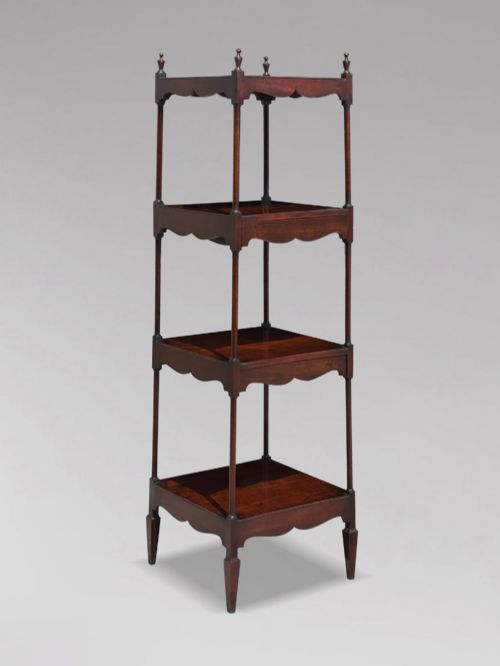
For associated items like bookcases and reading stands, the standard depends on the restraint of the joinery and the figure of the timber.
Gillows·J. & R. Tonson·J. Wheble·Jean Dassier·Jeremiah Davison·John Russell·Francis Alleyne·William Darrell·Jonas Hanway·Henry Mackenzie
The 18th Century Books Glossary
- Calfskin
- A smooth leather derived from calf hide, commonly used for binding books during the Georgian period. It accepted blind tooling and gold leaf with sharp definition.
- Bookpress
- A mechanical device utilising a screw mechanism to flatten paper or bind volumes. These heavy timber or brass presses sat on library tables.
- Cheveret
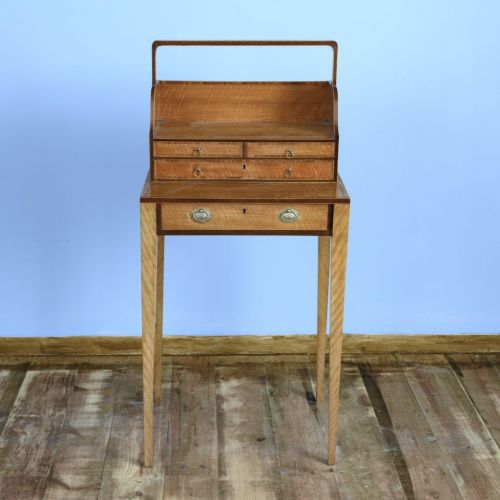
- A small freestanding writing and reading table featuring a tiered superstructure with compartments for books and papers. They typically date to the late Georgian period.
- Vellum
- A fine parchment prepared from calf or kid skin, utilised for durable book bindings and manuscripts. It offers a smooth, pale surface that ages to a warm tone.
18th Century Books: Frequently Asked Questions
How should I care for leather-bound books?
Keep volumes away from direct sunlight and fluctuating humidity to prevent the calfskin and leather from drying out. Handle the spines gently when removing books from shelves.
Ensure adequate ventilation around antique bookcases to protect paper pages from dampness and mildew accumulation.
Are miniature books readable?
Miniature editions from this era contain genuinely printed text and engravings, though the type is extremely small. They served as pocket devotionals or portable texts for travellers.
Magnifiers help examine the fine typography and detailed engravings within these tiny historical volumes.
What is a secretaire bookcase?
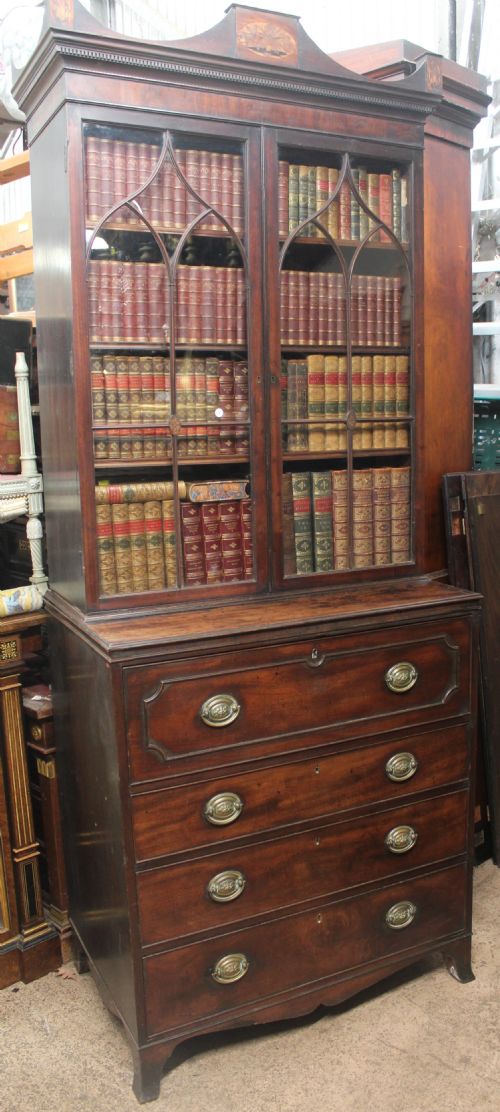
A secretaire bookcase combines a shelved upper section for storing volumes with a pull-down writing desk drawer at the centre. This dual function served domestic libraries where writing space was limited.
The drop-front reveals small drawers and pigeonholes designed for correspondence and stationery supplies.
How do I identify a Georgian bookpress?
Georgian bookpresses feature heavy wooden frames enclosing a central threaded screw operated by a turning handle. They were placed on tabletops to press newly bound sheets or flatten creased paper.
Most surviving examples utilise solid mahogany or oak construction with visible joinery.