

Georgian Antiquarian Books
Georgian antiquarian books are tactile fragments of eighteenth and nineteenth century thought, bound in leather and calfskin for those who value period craftsmanship.
Georgian Antiquarian Books
When you search for georgian antiquarian books, you encounter volumes spanning the eighteenth century, the Regency era, and the early nineteenth century. These antique books and miniature books appear as individual volumes, multi-volume sets, and specialised editions such as almanacs and miniature Bibles.
The selections available on this page reflect the distinct literary and publishing output of the period, ranging from philosophical texts and plays to instructive guides and historical sets. Most pieces date from the seventeen-fifties through the eighteen-twenties, capturing the aesthetic and intellectual shifts of Georgian Britain.
How they were made
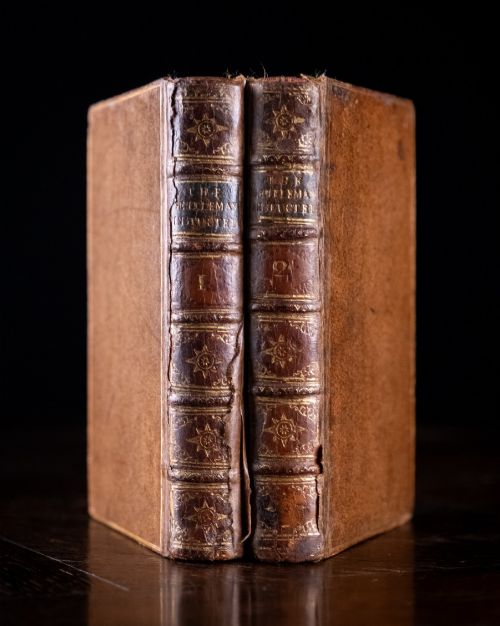
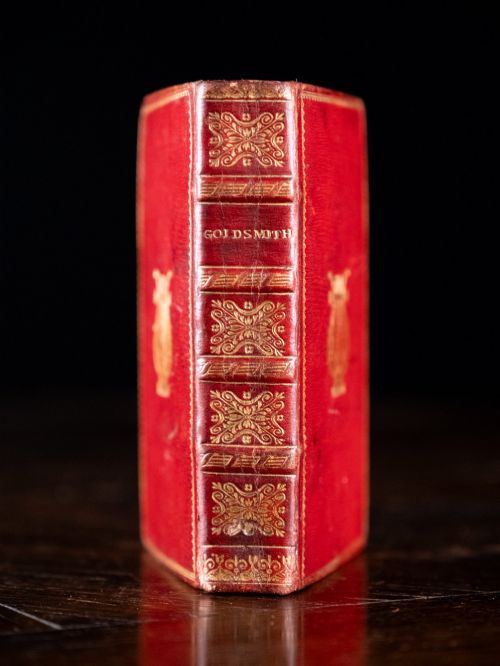
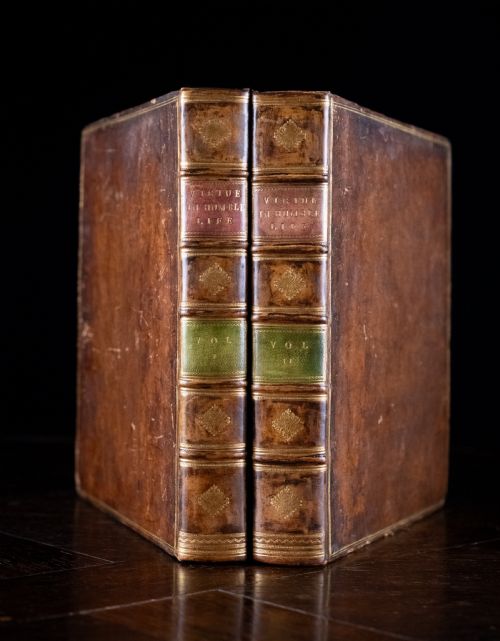
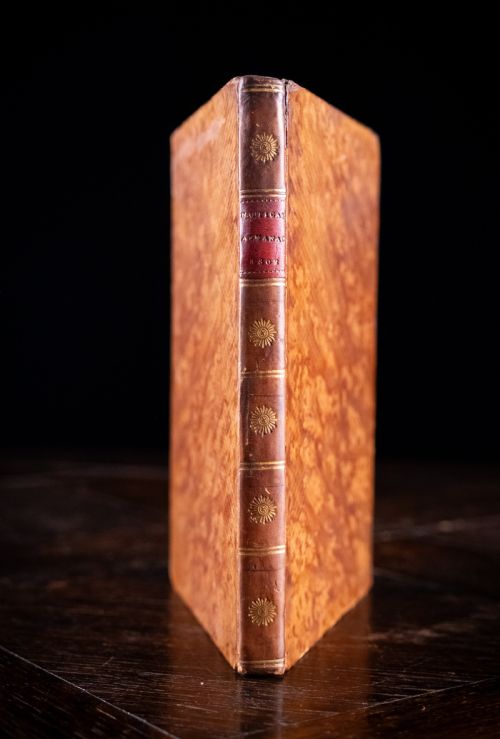
Makers of georgian antiquarian books utilised traditional binding materials such as calfskin, calf leather, and sturdy boards to protect the printed paper within. Bindings frequently incorporated gold leaf tooling to decorate spines and covers with intricate patterns.
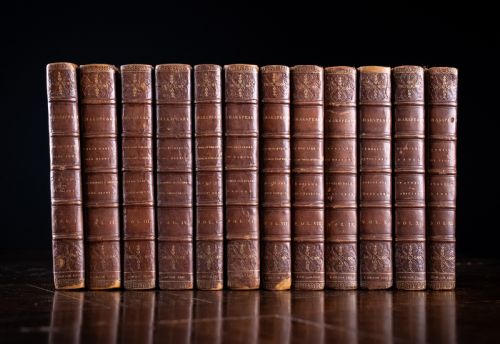
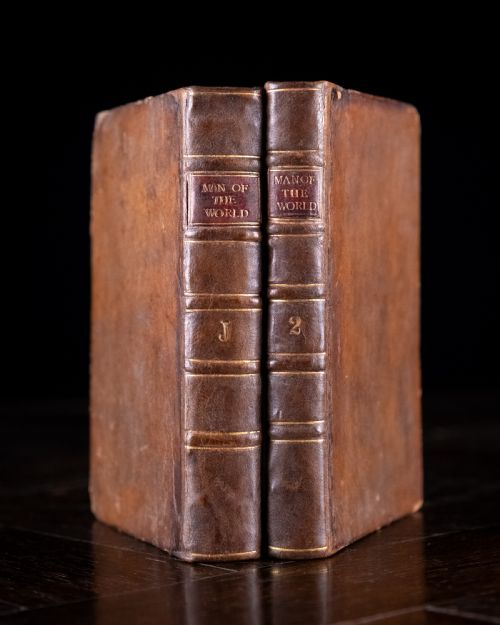
The physical construction relied on hand-sewn gatherings of paper bound between leather covers, often produced in multi-volume sets or specialised miniature formats that required precise scale reduction.
Collectors can examine miniature Bibles printed small enough to fit in the palm of an eighteenth-century hand.
What varies in quality
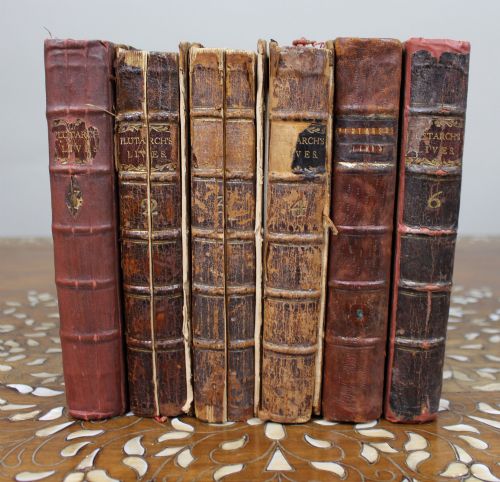
The distinction between tiers of georgian antiquarian books lies in the integrity of the original binding and the preservation of the material. Volumes retaining their contemporary leather and crisp gold leaf tooling command greater interest than those with heavily degraded or later replacement bindings.
Completeness within multi-volume sets also determines the standing of a piece, alongside the clarity of the typography and the overall robustness of the paper and board structure.
William Darrell·Oliver Goldsmith·J. and R. Tonson·Jonas Hanway·Henry Mackenzie·Jean Dassier·Newbery·Bowdler
The Georgian Antiquarian Books Glossary
- Calfskin
- A fine, smooth leather derived from calf hide, commonly used for binding high-quality volumes during the period. It provides a soft yet durable surface for gold tooling.
- Miniature book
- A tiny volume produced for portability or as a novelty, often measuring only a few centimetres in height while containing complete text and illustrations.
- Gold leaf
- A very thin sheet of beaten gold applied to leather bindings to create decorative lettering and ornamental designs on spines and boards.
- Ephemeris
- An astronomical table or almanac providing daily positions of the sun, moon, and planets, popular among navigators and scholars in the Georgian era.
Georgian Antiquarian Books: Frequently Asked Questions
What defines georgian antiquarian books?
These pieces comprise printed volumes, multi-volume sets, and miniature books produced during the eighteenth and early nineteenth centuries. They encompass literature, history, religion, and scientific tables bound in materials like calfskin.
They reflect the publishing standards and literary tastes of the Georgian and Regency periods, utilising paper and leather bound by hand.
How should I care for leather bindings?
Keep antique leather bindings away from direct sunlight and excessive humidity to prevent the calfskin from drying out or cracking. Handle them gently by the body of the book rather than pulling on the top of the spine.
Proper environmental conditions help preserve the integrity of the paper, board, and gold leaf tooling over time.
Are multi-volume sets complete?
Sets such as Shakespeare plays or historical works are gathered as complete publishing units where noted. Each volume shares uniform period binding characteristics and materials.
Checking the listed volume count against the original publication helps confirm the completeness of the set.
How do I identify a miniature book?
Miniature books from this era are scaled down significantly in physical dimensions while retaining legible typography and full texts. Examples include compact Bibles and miniature literary works.
Their small format required specialised printing and binding techniques distinct from standard octavo or quarto volumes.