


Vintage Decorative Books
Vintage decorative books bring historical literature and tactile craft into living spaces through period bindings, matched multi-volume sets and associated objects.
Vintage Decorative Books
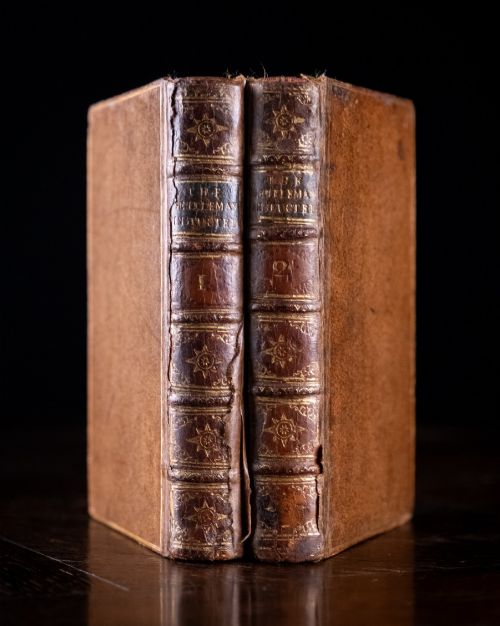
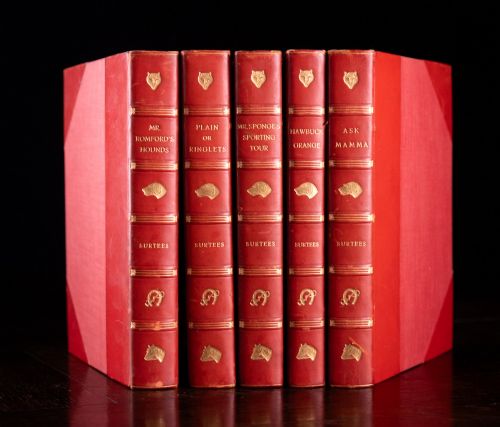
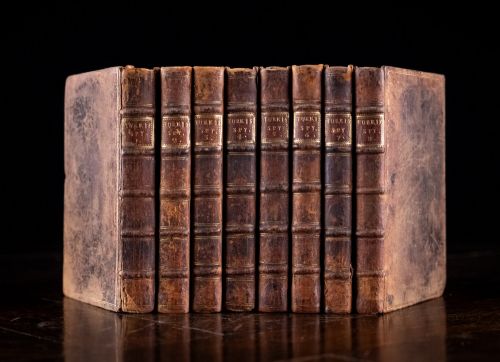
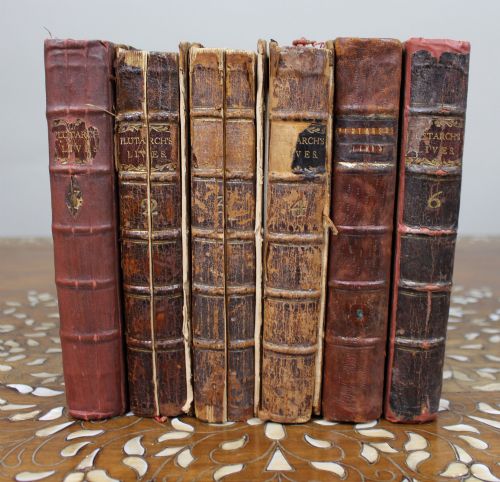
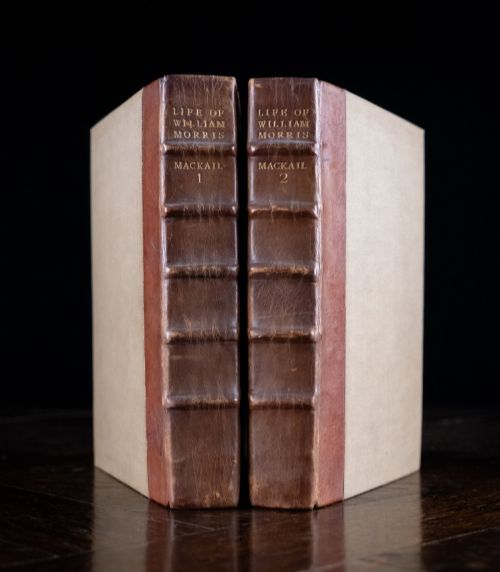
Vintage decorative books encompass multi-volume literary sets, single bound editions and associated book-related objects selected primarily for their visual and material presence. When searching for vintage decorative books, buyers encounter everything from complete sets of Shakespeare and nineteenth-century novels to eighteenth-century treatises bound in leather and vellum.
How they were made
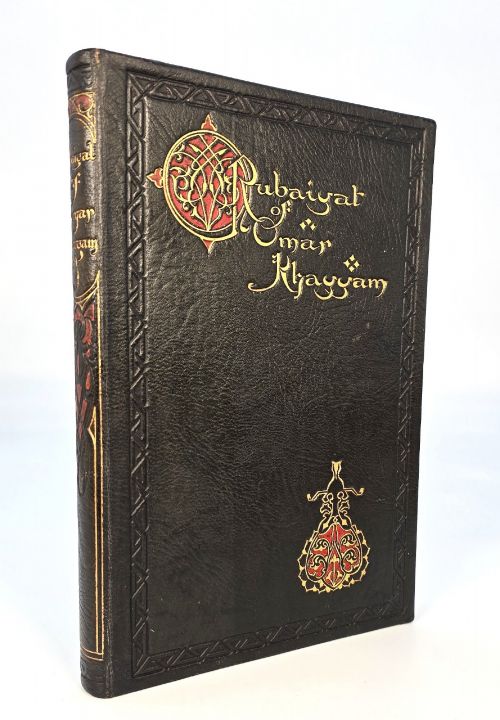
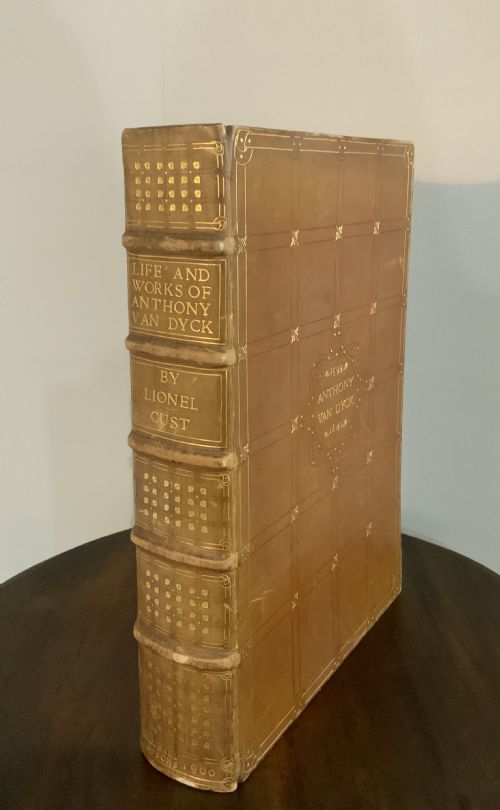
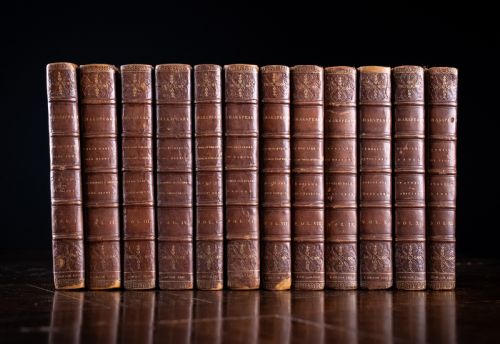
Traditional binders utilised natural materials such as calfskin, full leather, vellum and cloth over sturdy paper pages. Bindings often received finishing touches of gold leaf tooling to spine lettering and decorative borders.
Accessory pieces incorporate diverse materials including carved Anglo-Indian beech, brass, burr walnut, oak and spelter paired with marble bases. These physical components reflect the prevailing styles of their respective eras, ranging from Georgian and Regency to Arts and Crafts and Art Deco.
Listings feature paper, leather, gold leaf, brass, cloth, calfskin, wood and marble across periods from the eighteenth century to the Art Deco era.
What varies in quality
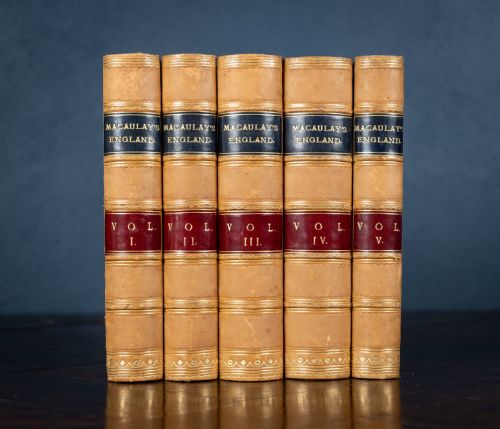
Quality rests in the integrity of the original binding, the crispness of the gilt tooling and the uniformity of multi-volume sets. Complete series matched in paper stock, publisher and binding style hold greater coherence than assembled collections.
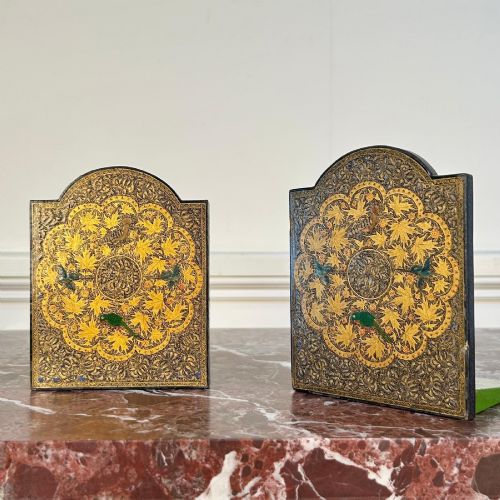
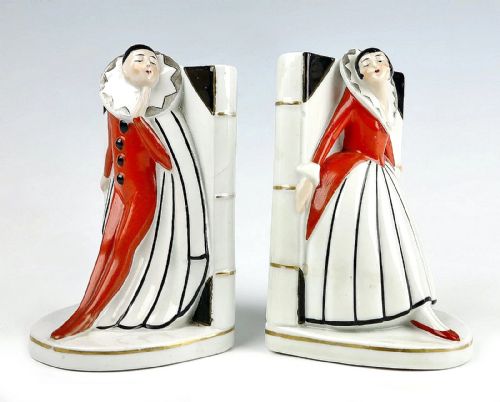
In associated items like bookends and boxes, material weight, sculptural detail and the preservation of original surfaces dictate the standard. Superior examples demonstrate skilled craftsmanship in materials like cast bronze, carved wood or heavy marble.
J. & R. Tonson·Compton Potters Art Guild
The Vintage Decorative Books Glossary
- Vellum
- A fine parchment prepared from calfskin or other skin, used for durable and decorative book bindings. It offers a smooth, pale surface that ages with a distinct warmth.
- Gilt tooled
- A technique where gold leaf is impressed into leather using heated metal tools. This creates metallic lettering and ornamentation along spines and covers.
- Tallboy
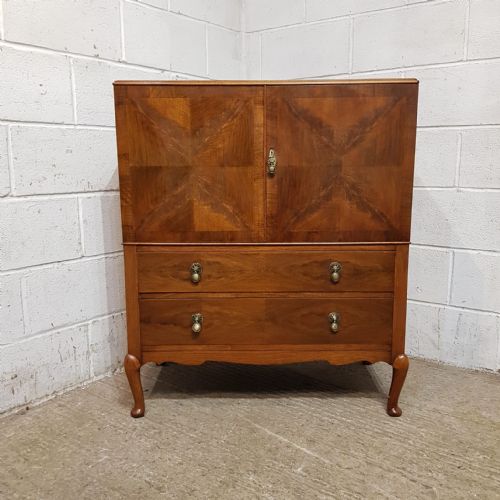
- A tall chest of drawers consisting of a double chest placed upon a higher frame or stand. Examples appear in wood like burr walnut within period interiors.
- Spelter
- A zinc alloy frequently cast into figures and patinated to resemble bronze. It served as a popular base material for decorative bookends during the early twentieth century.
- Faux book
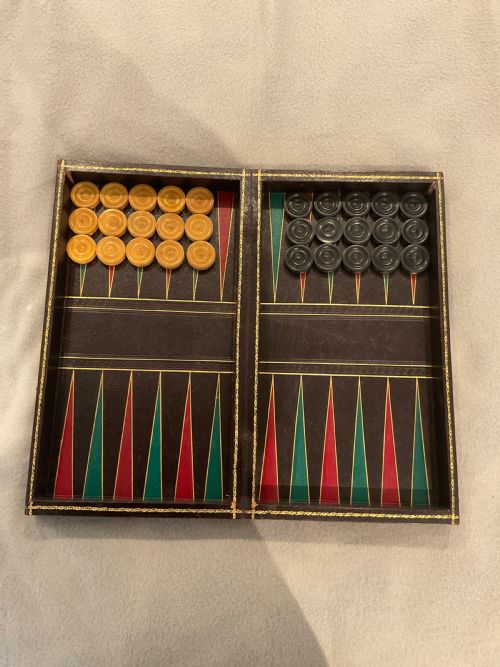
- An object constructed to resemble a volume or stack of books, such as a casket, safe box or games board. These items typically conceal a hidden interior compartment.
Vintage Decorative Books: Frequently Asked Questions
What defines vintage decorative books?
Vintage decorative books comprise historical bound volumes, complete literary sets and associated desk objects chosen for visual appeal. They include leather-bound histories, vellum classics and multi-volume sets from past centuries.
Buyers select them to introduce texture, history and colour into interior schemes. The category covers everything from single poetry editions to extensive library series.
How were leather bindings finished?
Binders used genuine calfskin and leather stretched over sturdy board bases. Spines and covers were frequently finished with gold leaf tooling applied through heated metal dies.
This technique produced ornamental lettering and geometric or floral borders. The depth and placement of the tooling contribute significantly to the visual character of each volume.
What periods do these pieces span?
The pieces span multiple centuries, beginning with eighteenth-century publications and extending through the Victorian and Edwardian eras. Later examples reach into the Art Deco period of the 1930s.
Stylistic influences range from Georgian and Regency to Arts and Crafts designs. Each era brings distinct typographic choices and binding materials to the collection.
What are companion bookends made from?
Companion bookends and desk accessories utilise a wide variety of sculptural and structural materials. Common mediums include carved beech, heavy marble, cast bronze, ceramic and spelter.
Many pieces reflect specific stylistic movements, such as Art Deco animal figures or classical architectural motifs. They were designed to support heavy volumes while serving as sculptural desk ornaments.