


Antiquarian Book Set
An antiquarian book set brings historic literature and poetry into your library, bound in leather and cloth across multiple volumes.
Antiquarian Book Set
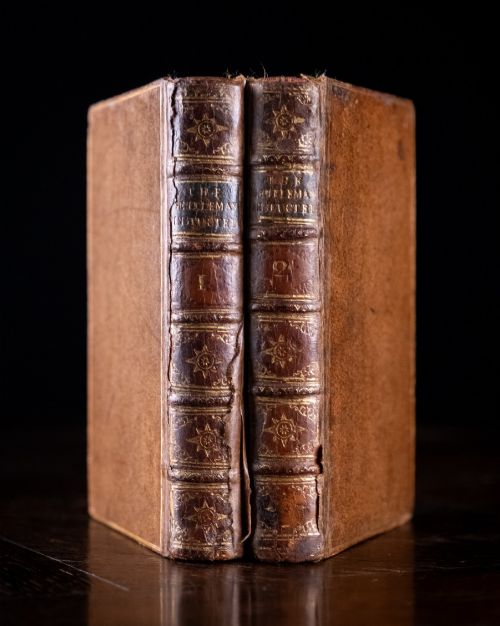
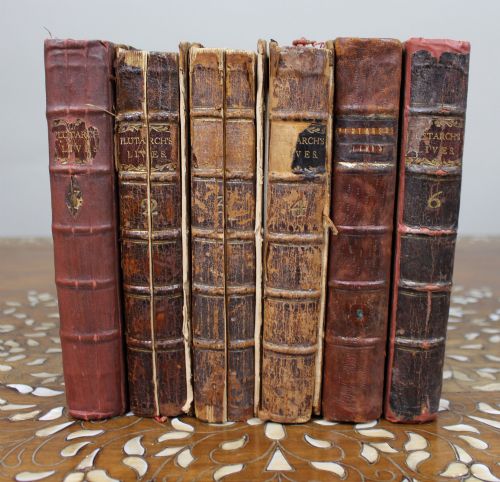
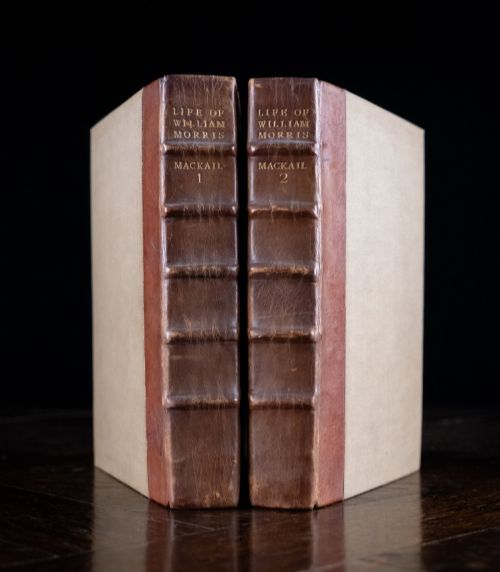
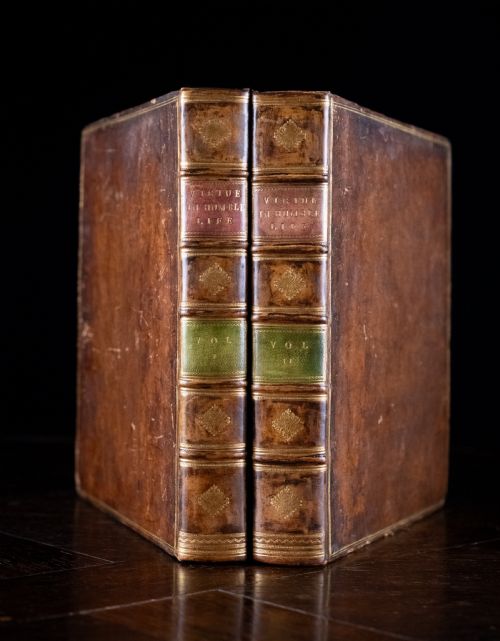
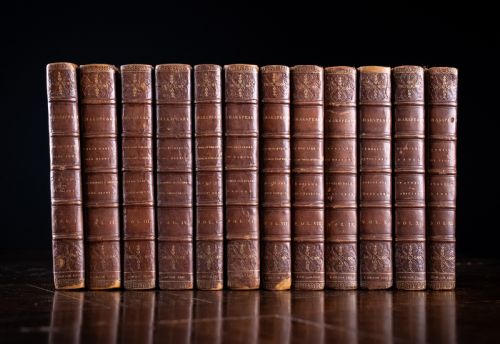
An antiquarian book set comprises multi-volume collections of historical literature, biography, and poetry spanning the eighteenth and nineteenth centuries. You encounter matched sets of Shakespeare plays, multi-volume novels by Walter Scott, and eighteenth-century treatises published in London and beyond.
The materials you find on this page include calfskin, vellum, cloth, and gold leaf, reflecting the bindings chosen by period publishers and contemporary owners. These sets range from expansive multi-volume historical works to paired volumes of local topography and French text first editions.
How they were made
Binders utilised genuine leather, calfskin, and vellum over sturdy boards, applying gold leaf tooling to the spines and covers for decoration and titling. Text blocks were printed on laid and wove paper, sewn by hand or by early mechanical means depending on the publication date.
Publishers offered uniform cloth and leather bindings for multi-volume series, while private owners frequently commissioned bespoke bindings to match their library shelves. These construction methods ensure the survival of multi-volume sets across centuries of handling.
Listings feature paper, leather, calfskin, vellum, and cloth bindings across eighteenth and nineteenth century periods.
What varies in quality
The distinction between tiers rests upon the uniformity of the binding across all volumes and the original integrity of the calfskin or vellum. Complete sets that retain their matching publisher or binder spines demonstrate a higher degree of initial preservation than assembled collections.
Intact gold leaf tooling and clean paper text blocks elevate a set's presence on the shelf, distinguishing well-maintained library editions from heavily worn volumes. The presence of original plates, maps, and first edition status further separates standard reading sets from significant collector pieces.
J and R Tonson
The Antiquarian Book Set Glossary
- Calfskin
- A fine, smooth leather derived from the skin of a calf, frequently used for high-quality book bindings throughout the eighteenth and nineteenth centuries. It takes gold tooling exceptionally well.
- Vellum
- A writing or binding material prepared from calf or other animal skin, prized for its durability and smooth, creamy appearance. Antique vellum bindings often darken gracefully with age.
- First Edition
- The earliest printed appearance of a work issued from the original setting of type. Collecting first edition sets remains a central focus for bibliophiles.
- Gold Leaf
- Gold beaten into an exceedingly thin sheet used for tooling titles and decorative motifs onto leather spines and covers. It resists tarnishing over centuries.
- Spine
- The vertical portion of a book binding that connects the front and back covers and displays the title and volume number. It receives the most wear on library shelves.
Antiquarian Book Set: Frequently Asked Questions
How do I care for antique leather books?
Keep your book sets away from direct sunlight and excessive humidity to prevent the leather and paper from drying out or degrading. Ensure adequate air circulation around your bookshelves to protect the bindings.
Handle the volumes gently by supporting the spine when removing them from the shelf. Avoid applying modern commercial cleaning products to antique calfskin or vellum.
Are these book sets complete?
Each listing specifies the exact number of volumes present in the set, ranging from two-volume works to extensive multi-volume series. Review the specific volume count in the description before purchase.
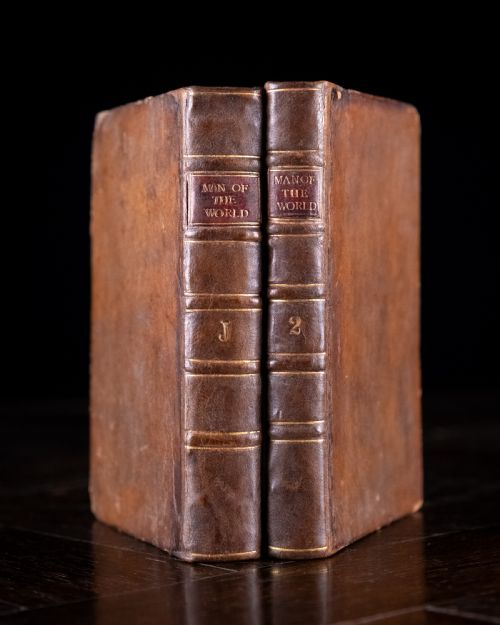
Some historical sets were published across multiple books that bound two volumes into a single physical unit. Check the title details to confirm whether the listing refers to physical books or individual text volumes.
How do I identify the date of a book set?
Look for the publication year printed on the title page of the primary volumes, or examine the preliminary pages for historical publisher imprints. Nineteenth and eighteenth-century books often include the printing location and year directly on the title leaf.
Period typography, paper watermarks, and binding styles also offer clues to the era of production. Consult reference guides or dealer notes when the title page lacks an explicit date.
Can I read these antiquarian books?
You can read these volumes provided you handle them with care to protect the historic paper and sewing structures. Opening the books gently prevents stress on the historical hinges and spine.
Many collectors enjoy reading period literature in its original nineteenth or eighteenth-century typography. The durable rag paper used in many older editions withstands careful handling during reading.