
Vintage Bookcase Styling
Vintage bookcase styling brings character to a room through centuries of timber work, offering practical storage alongside distinct period craftsmanship.
Vintage Bookcase Styling
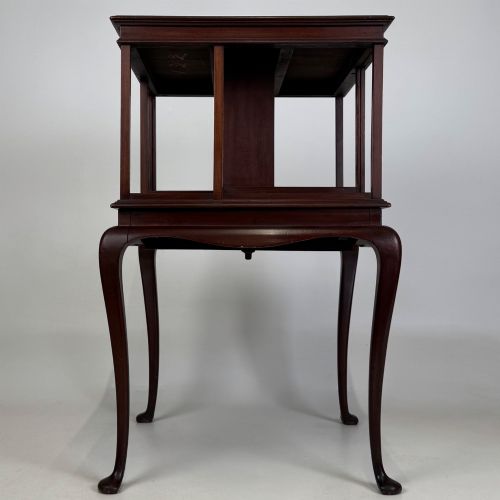
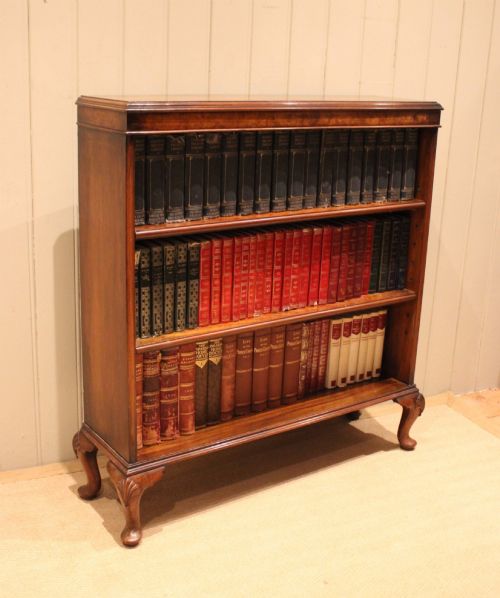
Vintage bookcase styling encompasses a range of storage furniture designed to display books and objects, spanning periods from the nineteenth century through the early twentieth century. These pieces include open shelving units, glazed display cabinets, bureau bookcases with fall-front desks, and sectional Globe Wernicke designs.
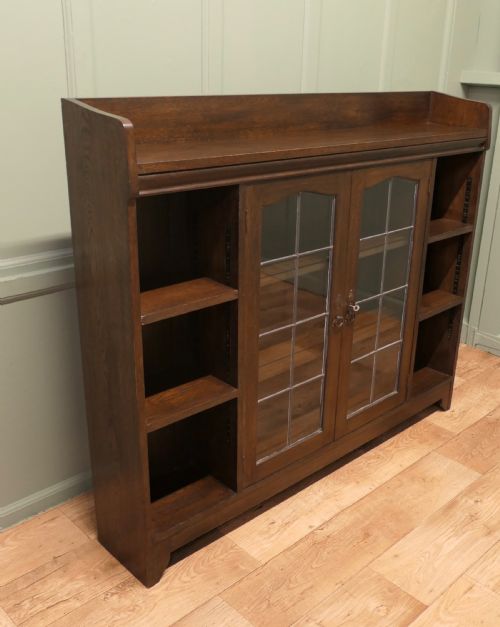
The selections encountered most frequently on this page date from the Edwardian era and the 1920s, reflecting domestic revival styles such as Arts and Crafts, Sheraton Revival, and Jacobean Revival. Workshops constructed these items primarily for domestic libraries, parlours, and studies, utilising traditional timber frames.
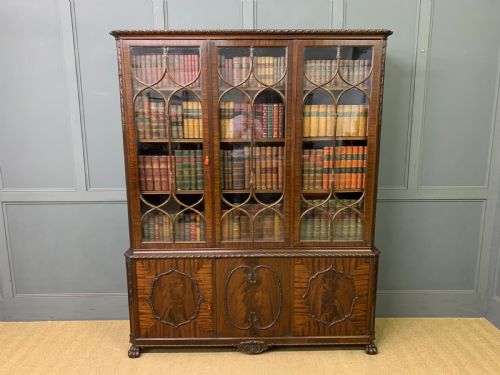
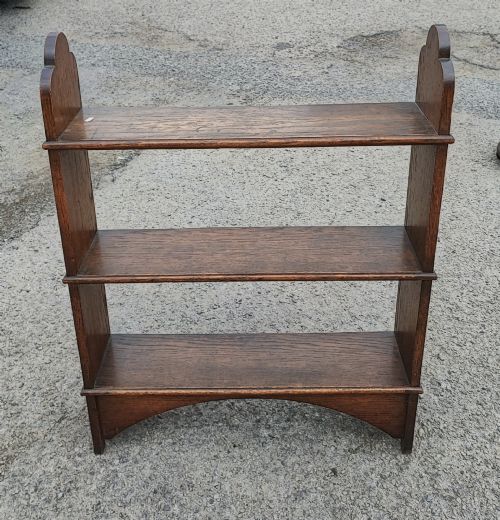
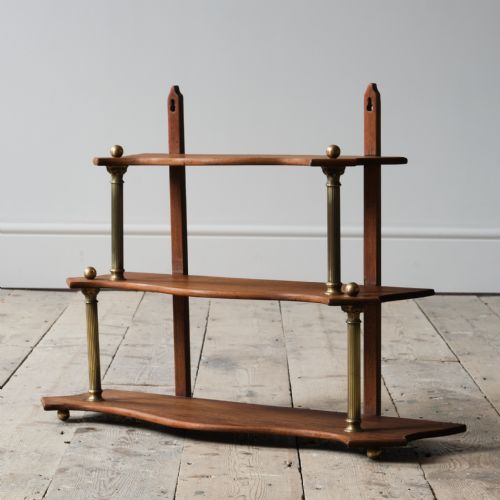
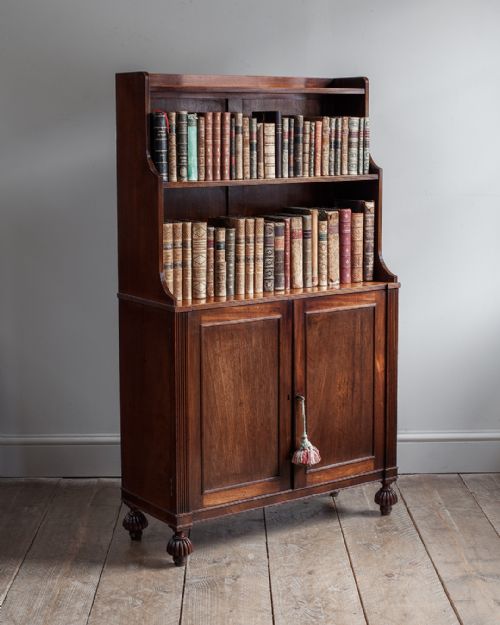
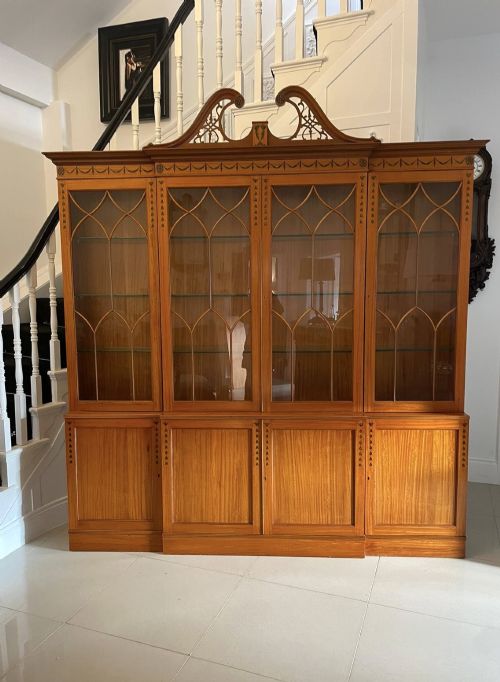
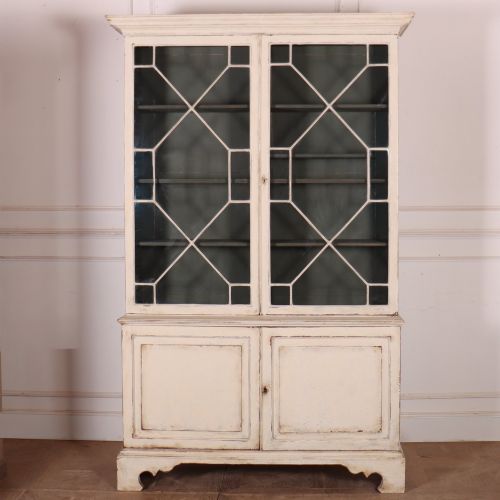
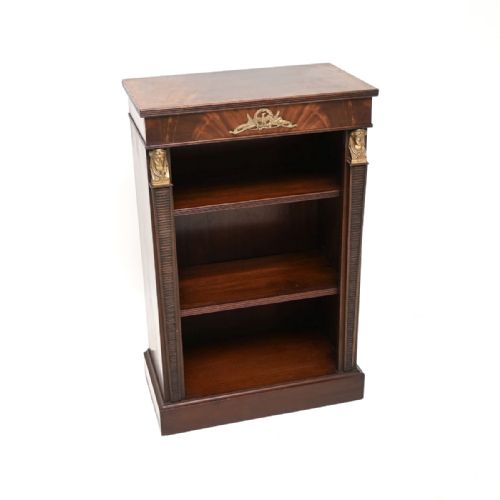
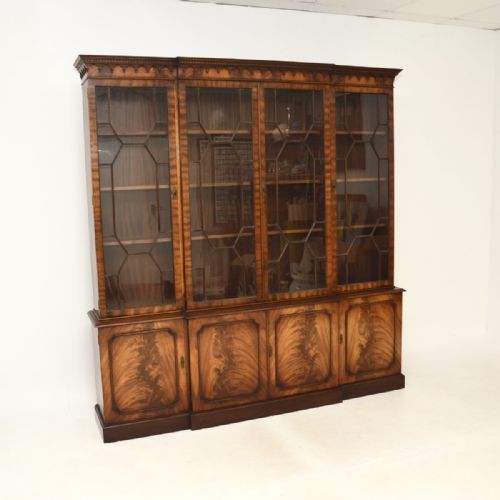
Buyers seeking vintage bookcase styling encounter diverse forms, from wall-hanging mahogany shelves to large satinwood breakfront cabinets with astral glazing. Each piece demonstrates the domestic utility and aesthetic preferences of its period, whether through simple oak construction or intricate painted decoration.
Materials and Construction Techniques
Cabinet makers relied heavily on hardwoods such as mahogany, oak, walnut, and satinwood, often selecting timber for its natural grain and warmth. Secondary woods provided structural support within carcass backs and drawer linings, while brass handles, hinges, and glazed panels added functional detail.
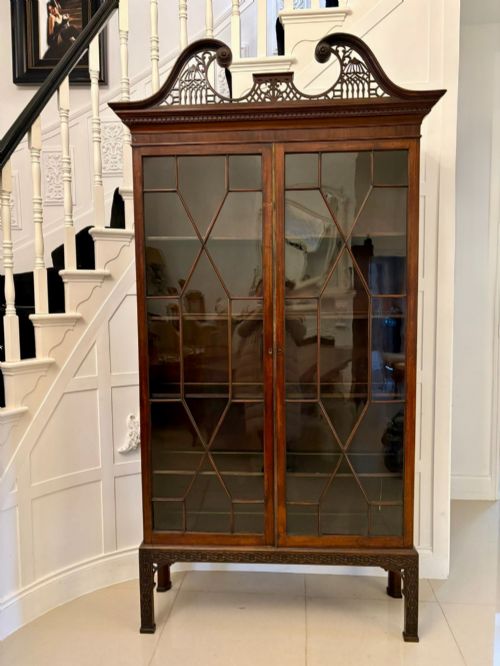
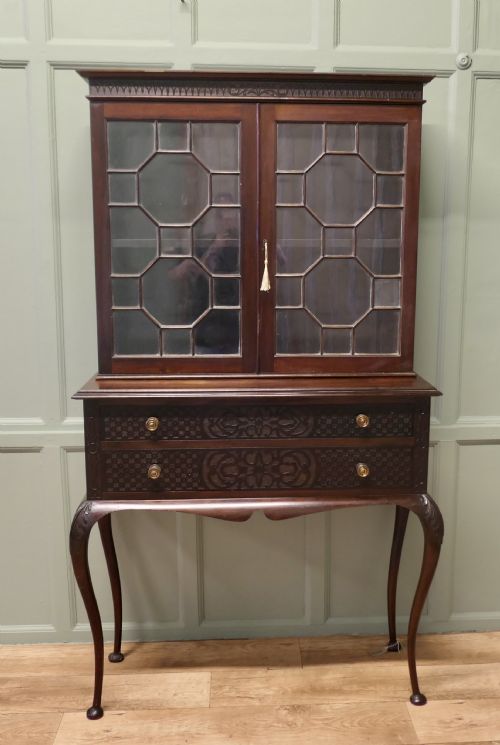
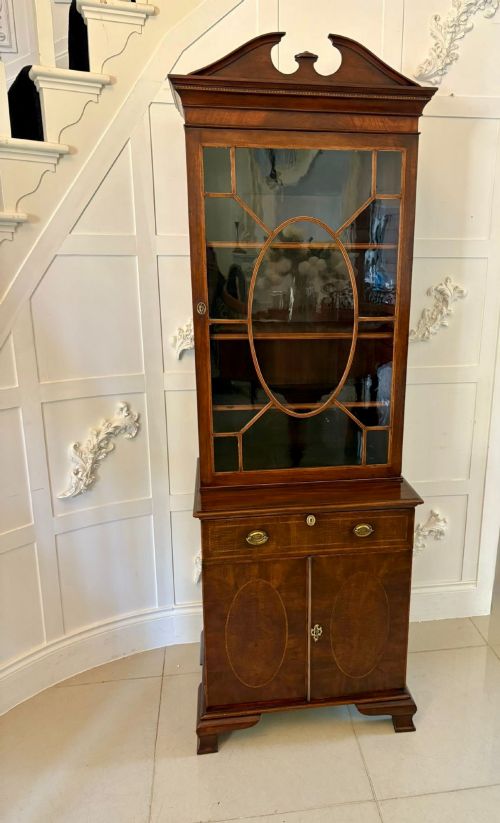
Construction methods combined traditional joinery like dovetails for drawer boxes with mortise and tenon frames for doors and structural uprights. Glazed sections utilised timber glazing bars, termed astragals, to hold individual panes of glass securely within the door frames.
Surface finishes ranged from polished French polish on mahogany and walnut to painted treatments on pine and satinwood. Decorative elements included inlaid stringing, carved linenfold panels, and original painted decoration applied directly to the timber substrate.
The inventory spans the Edwardian period, the 1920s, and the 1930s, alongside nineteenth-century examples and earlier eighteenth-century painted items.
Quality Indicators
The quality of a piece is evident in the selection of timber veneers and solid boards, where even grain and careful matching distinguish finer examples from standard production. Superior cabinet work shows tight joinery, smooth drawer operation, and original brass hardware that fits its context properly.
Glazing quality reveals much about a cabinet's origin, particularly where hand-blown crown glass or delicate astragal bars remain intact. The presence of makers' marks or attributions, such as pieces linked to Heal's, indicates higher standards of design and execution during the manufacturing process.
Heals·Globe Wernicke
The Vintage Bookcase Styling Glossary
- Breakfront
- A cabinet design where the central section projects forward from the flanking wings. This layout creates depth and visual rhythm across the facade of large bookcases.
- Astral Glazed
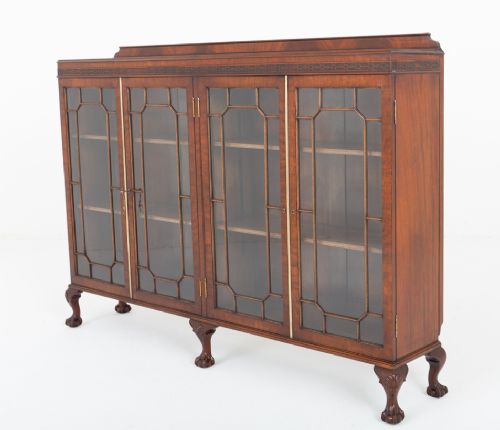
- A window or cabinet door divided into smaller glass panes by wooden framing bars known as astragals. It is commonly found on eighteenth and nineteenth-century display furniture.
- Bureau Bookcase
- A dual-purpose form combining a sloping fall-front desk compartment below shelving or a glazed cabinet. These pieces provided writing space alongside enclosed storage for volumes.
- Globe Wernicke
- A sectional barrister's bookcase system composed of stackable modular units with glass doors that lift and slide inside. This design allowed libraries to expand by adding individual tiers.
- Vitrine
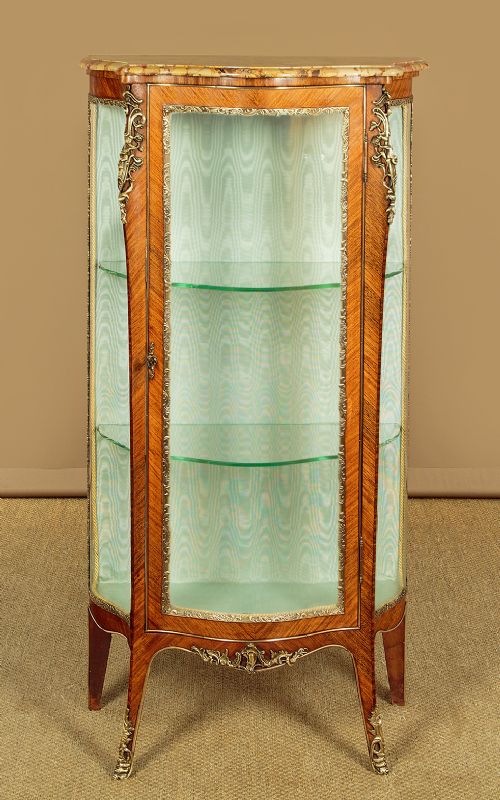
- A glass-sided display cabinet intended for showcasing decorative objects rather than holding working libraries. They frequently incorporate satinwood or mahogany frames with French styling influences.
Vintage Bookcase Styling: Frequently Asked Questions
What is a barrister bookcase?
A barrister bookcase is a stackable modular shelving unit featuring glass doors that lift and slide upward into the cabinet. Legal professionals originally used them to transport and house law libraries easily.
The sectional design allowed owners to add tiers as their book collections grew without purchasing entirely new furniture. Today, these pieces remain popular for their mechanical action and adaptable vertical storage.
Are shelves adjustable on these bookcases?
Many antique and vintage bookcases feature adjustable shelving systems supported by wooden pegs, brass shelf studs, or metal ratchets. This adaptability allowed owners to accommodate books of varying heights.
Fixed shelving is more typical in older or simpler vernacular pieces where boards were permanently secured to the interior uprights. Checking the interior walls for rows of peg holes reveals whether adjustability was part of the original design.
How should I care for antique timber?
Maintaining antique timber involves keeping bookcases away from direct heat sources and fluctuating humidity to prevent wood splitting. Regular dusting with a dry, soft cloth preserves the polished surface without applying heavy chemical build-up.
Occasional application of traditional beeswax feeds the wood and maintains the natural lustre of mahogany, oak, or walnut. Avoiding synthetic silicone sprays ensures the historic finish remains undamaged over time.