


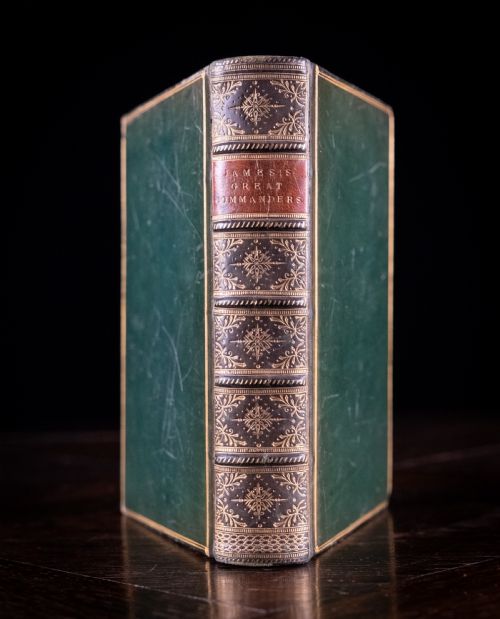

Antique Decorative Volume
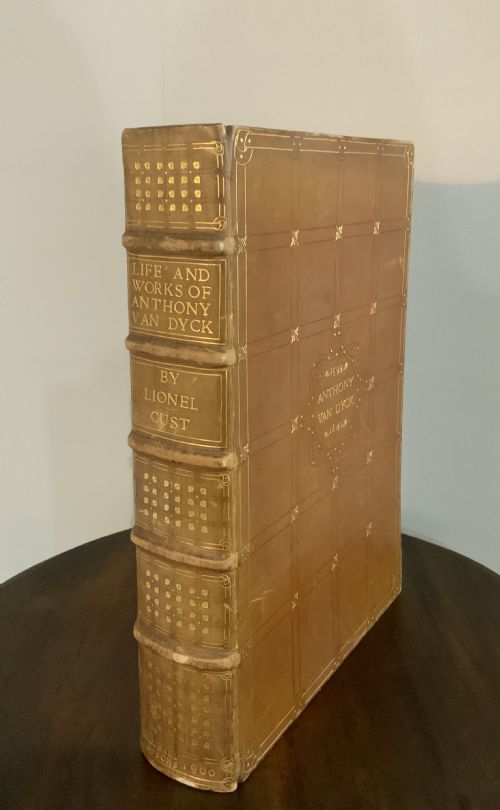
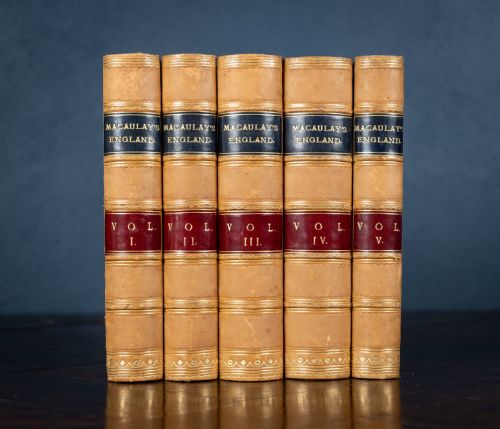
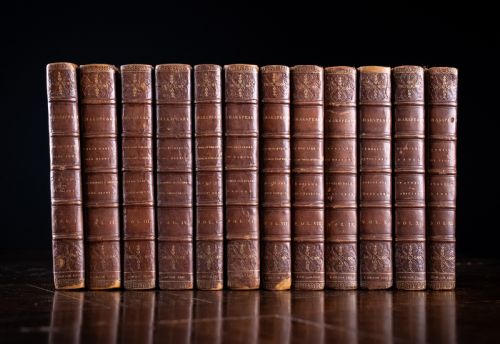
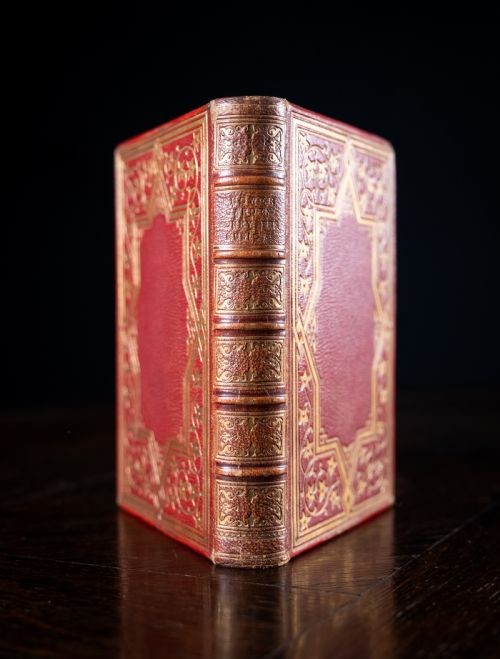
An antique decorative volume brings centuries of literature and craftsmanship into the room, bound in leather and cloth for display and reading.
Antique Decorative Volume
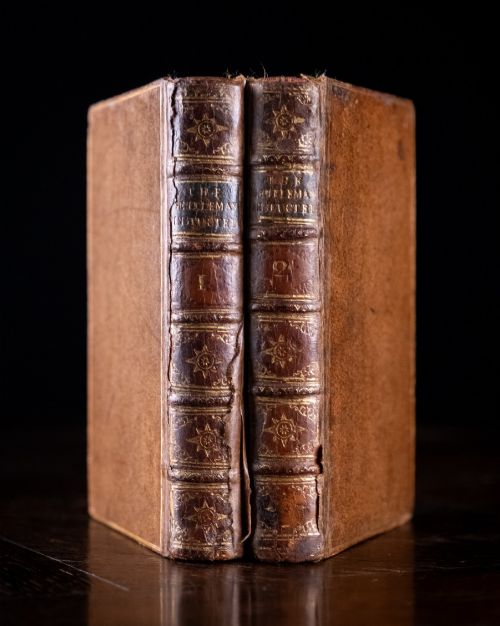
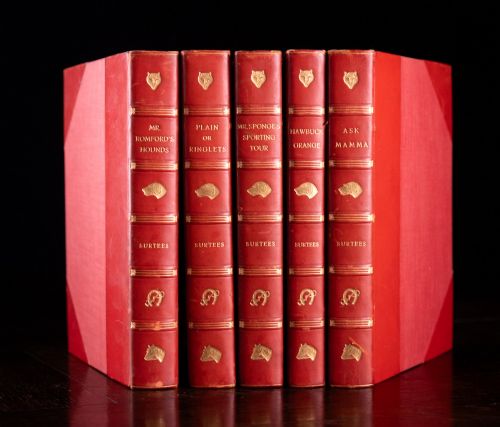
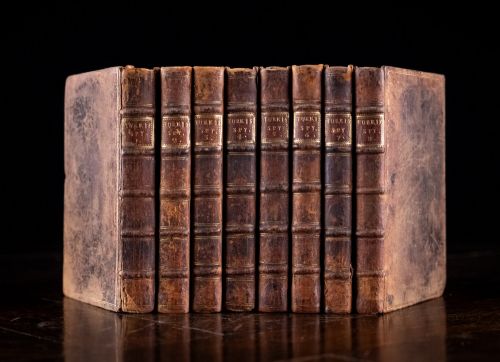
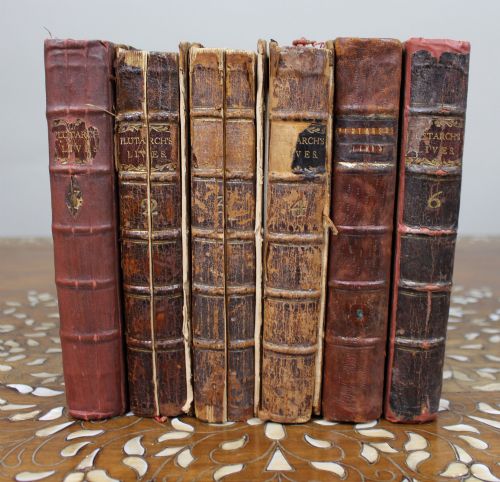
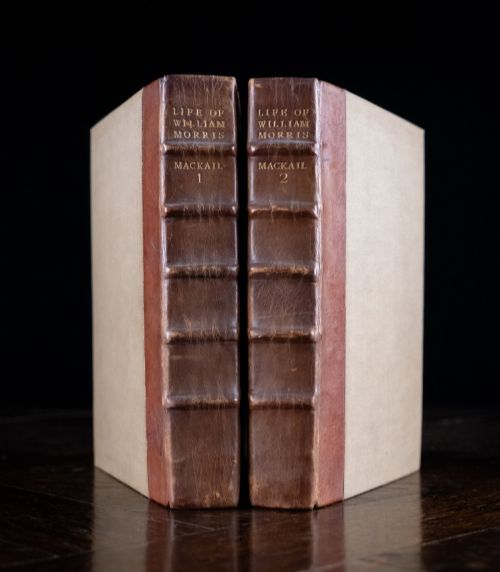
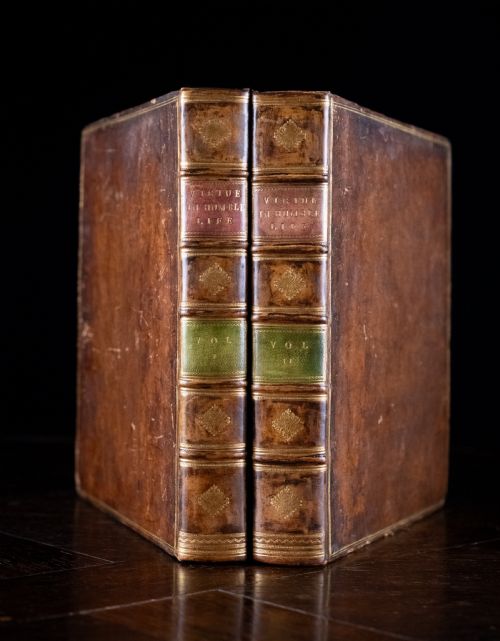
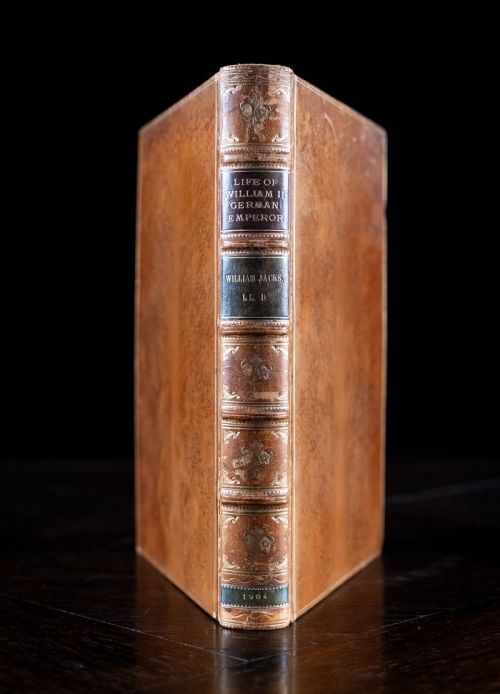
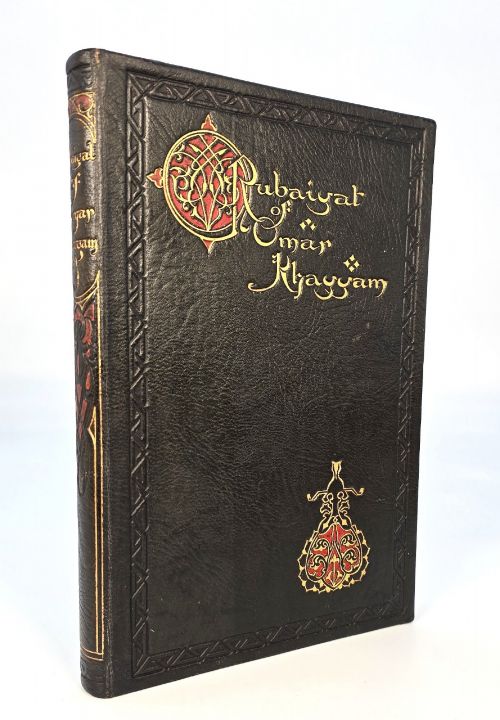
An antique decorative volume comprises single antiquarian books, multi-volume sets, and complete works bound in historical periods from the eighteenth century through the Edwardian era. You will encounter sets of Shakespeare plays, historical accounts, and novels presented in uniform bindings designed to sit handsomely on shelves.
The selections span English and French publishing, including natural history references, poetry, and philosophy originating from the seventeen-hundreds to the early twentieth century. Many items appear as matched sets of several volumes, while others stand as individual leather or vellum bound editions.
Formats range from tall folio volumes to pocket-sized reference books, often featuring decorative spine banding and gilt decoration. These books served both as literary texts and as interior furnishings for libraries and drawing rooms.
How they were made
Binders utilised natural materials such as calfskin, vellum, and cloth over sturdy cardboard foundations to protect the printed pages within. Spines were frequently reinforced with raised bands and embellished using gold leaf tooling.
Paper pages carried letterpress text, occasionally accompanied by engraved plates or illustrations printed from woodblocks and steel plates. The covers were sewn by hand onto cords or tapes before being cased in leather or cloth.
Listings feature works published in both English and French across the eighteenth, nineteenth, and early twentieth centuries.
What varies in quality
The distinction between tiers rests upon the uniformity of the binding and the integrity of the materials utilised. Matching multi-volume sets in full calfskin or vellum with intact gilt tooling represent a higher standard than mismatched rebound copies.
The crispness of the typography, the quality of the paper stock, and the preservation of original endpapers distinguish finer publishing output from standard nineteenth-century editions.
J. & R. Tonson·Jean Dassier·J. Wheble
The Antique Decorative Volume Glossary
- Vellum
- A fine parchment made from calf skin, used for durable and decorative book covers. It provides a smooth, pale surface that often takes blind tooling or gold leaf well.
- Gilt tooled
- A decoration method applying gold leaf to leather bindings using heated brass tools. This technique highlights lettering and ornamental patterns on spines and boards.
- Calfskin
- A soft, supple leather derived from the skin of a calf, prized for binding fine library books. It accepts polishing and tooling exceptionally well.
- Raised bands
- The horizontal ridges visible on a book spine that cover the cords or strings used to sew the gatherings together. They indicate traditional hand bookbinding methods.
- Antiquarian
- Pertaining to books of considerable age that hold collectible interest due to their historical significance, printing era, or binding quality.
Antique Decorative Volume: Frequently Asked Questions
What periods do these books come from?
The inventory spans the eighteenth, nineteenth, and early twentieth centuries, encompassing Georgian, Victorian, and Edwardian publishing traditions.
You will find examples dating from the seventeen-fifties through to the nineteen-twenties, reflecting changing tastes in typography and bookbinding style.
Are these sold as individual books or sets?
Both single volumes and extensive multi-volume sets appear on the page, including complete literary works and reference series.
Many listings feature matched pairs, uniform collections of ten or more books, and comprehensive author anthologies intended for display.
What materials were used for the bindings?
Binders employed natural substances such as calfskin leather, vellum, cloth, and paper boards, often finished with gold leaf accents.
Cardboard provided the structural core for covers, which were then wrapped in leather or woven fabric and sewn by hand.
How do I care for antique leather books?
Keep the volumes away from direct sunlight and excessive humidity to prevent the leather and paper from drying out or degrading.
Allow for adequate air circulation around the shelves and handle the bindings gently to preserve the spine structure and gilt tooling.