


Decorative Leather Books
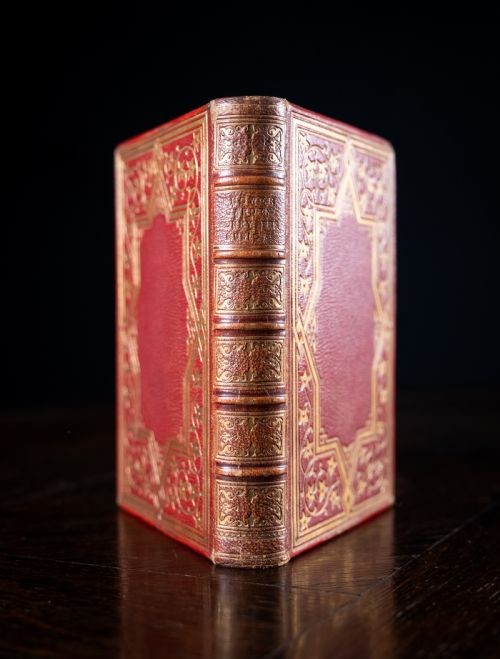
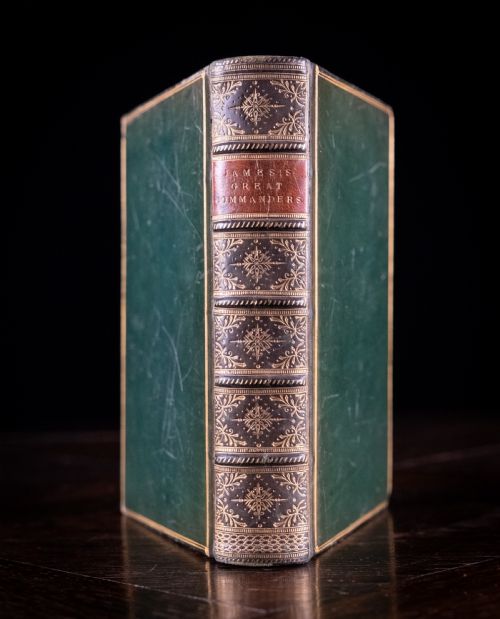
When you search for decorative leather books, you find bound volumes, multi-volume sets, and occasional faux book boxes shaped for display and reading.
Decorative Leather Books
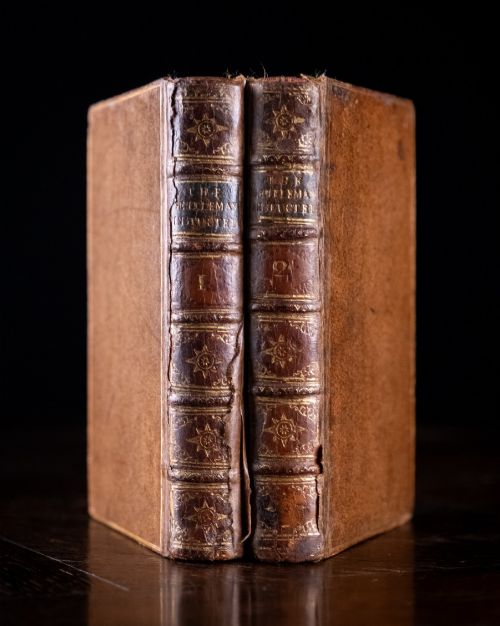
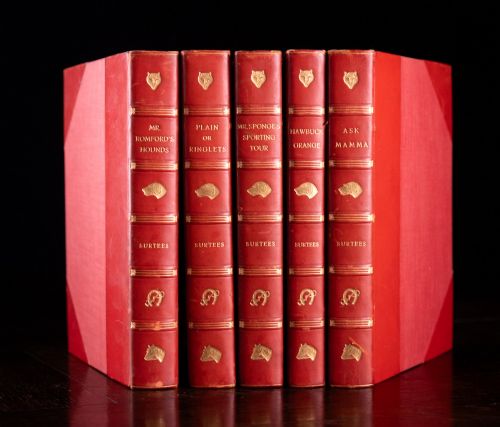
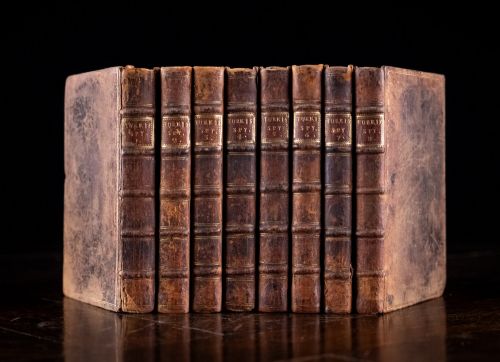
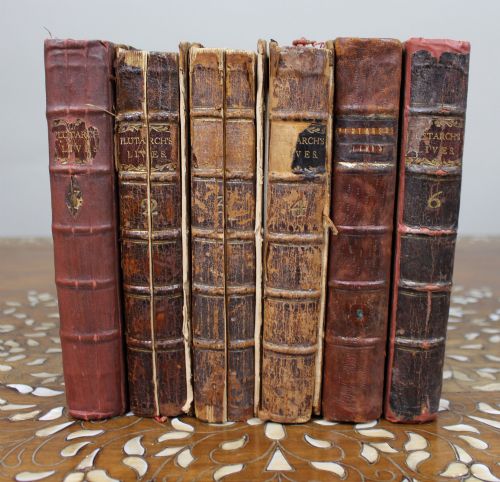
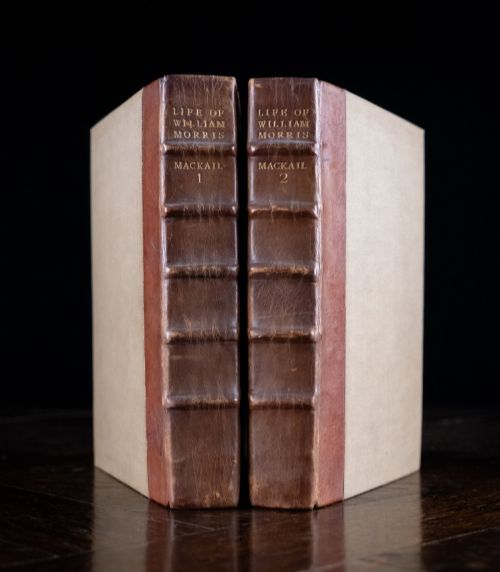
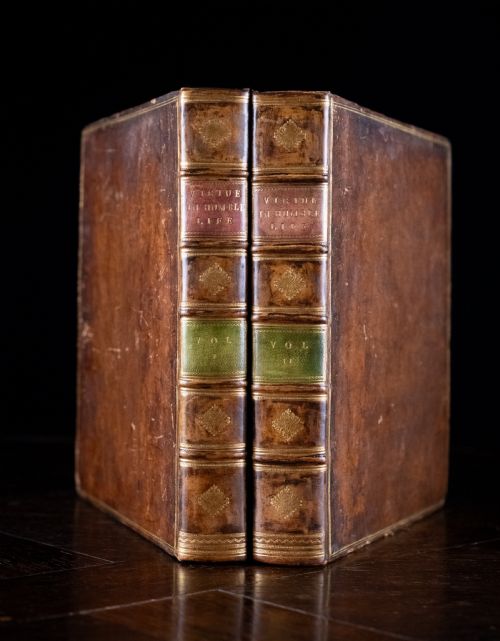
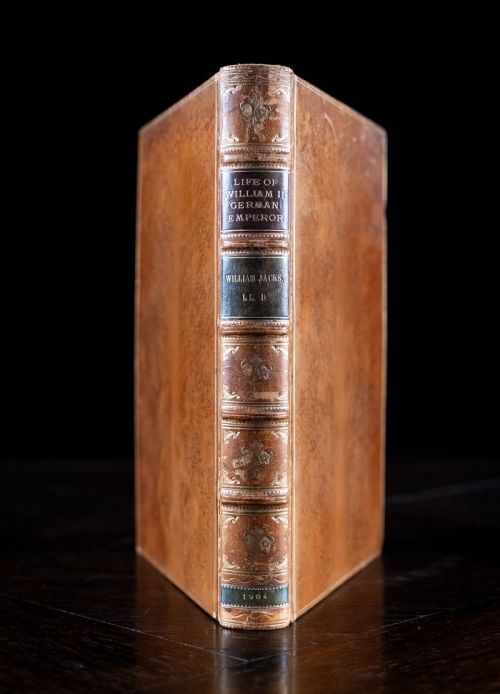
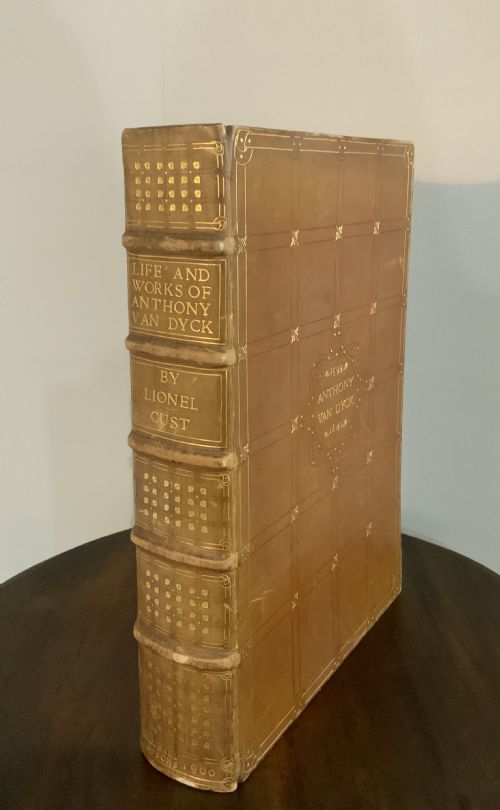
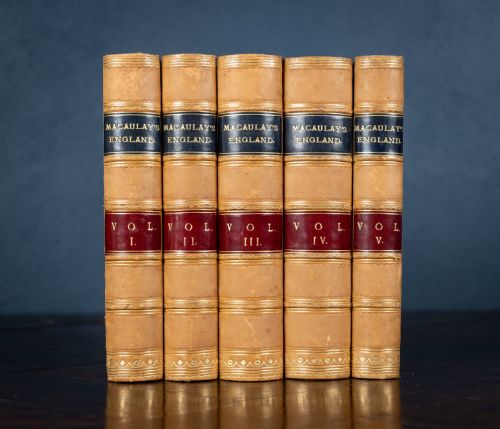
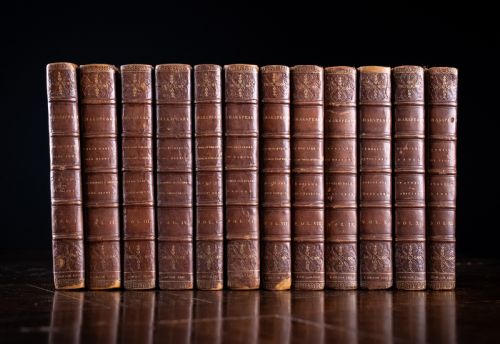
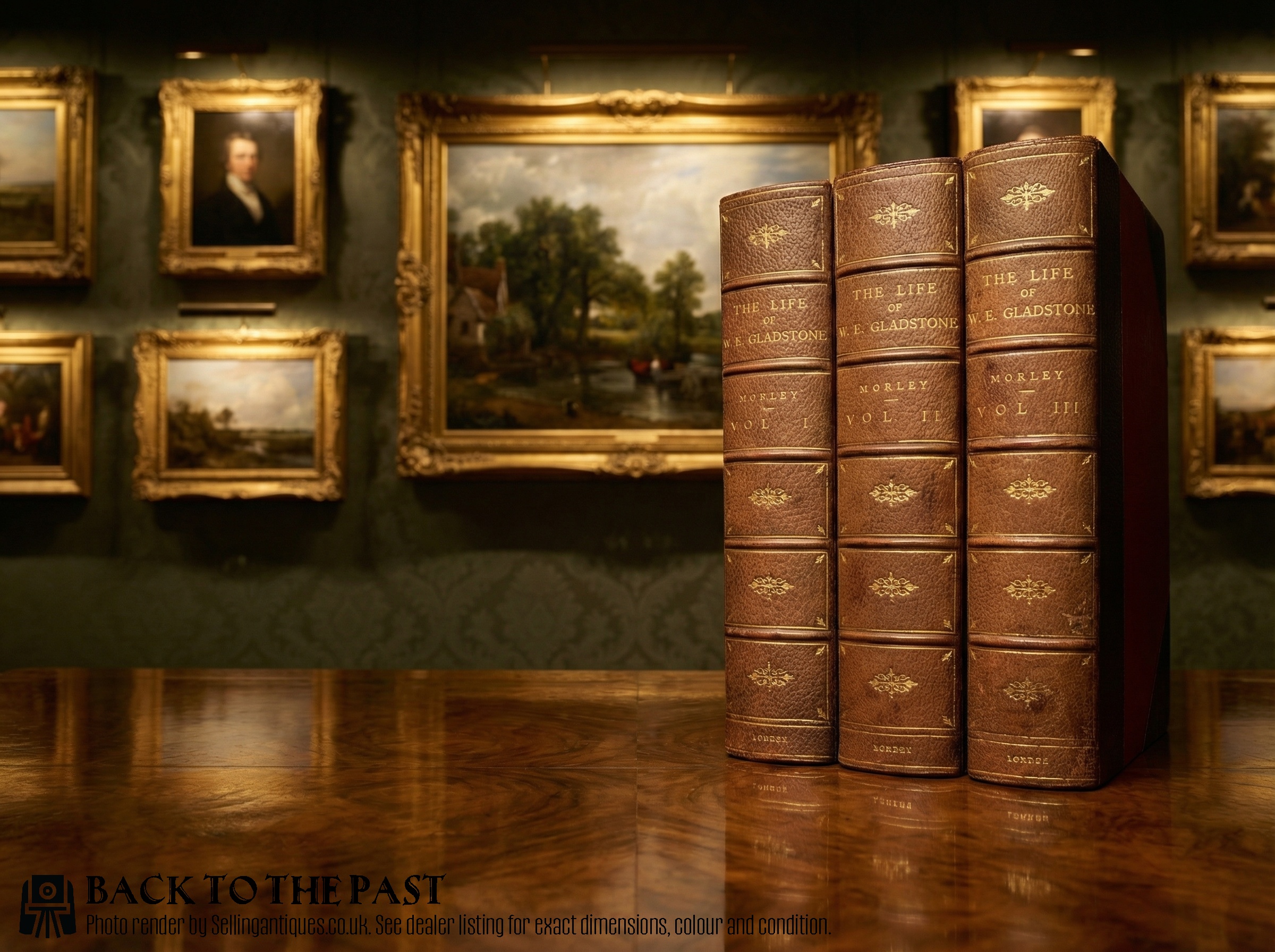
Decorative leather books encompass antiquarian volumes, complete multi-volume literature sets, and specialist reference works selected primarily for their attractive bindings and shelf presence. Buyers encounter single volumes alongside long uniform runs spanning the eighteenth, nineteenth, and early twentieth centuries.
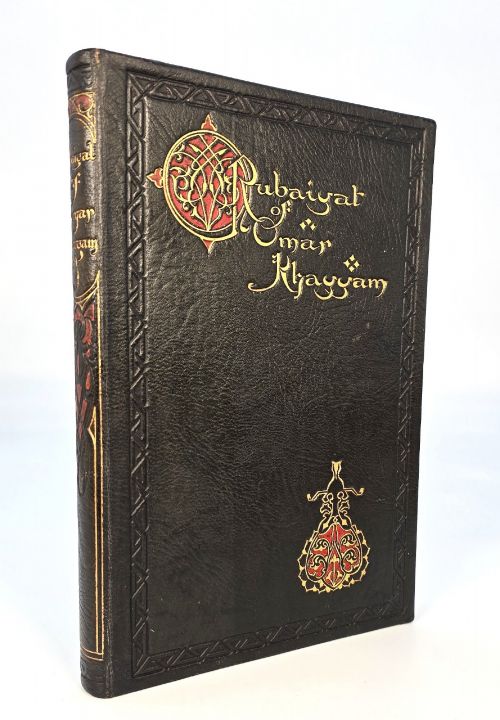
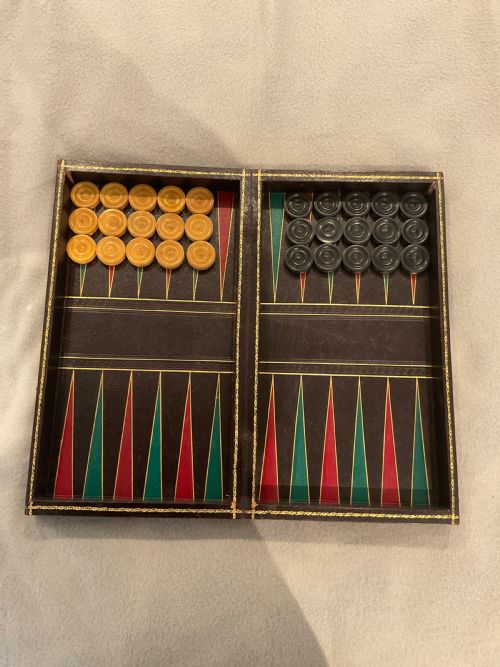
The selection ranges from Georgian histories and Victorian poetry sets to Edwardian translations and vellum-covered Shakespeare editions. Alongside standard reading copies, the category includes leather-bound faux book games boards and caskets designed to conceal storage compartments.
Origins stretch across traditional English publishing houses and French provincial binderies, reflecting both domestic library collections and continental craftsmanship. Sets vary from pairs of volumes to extensive multi-volume runs of novels and historical chronicles.
What varies in quality
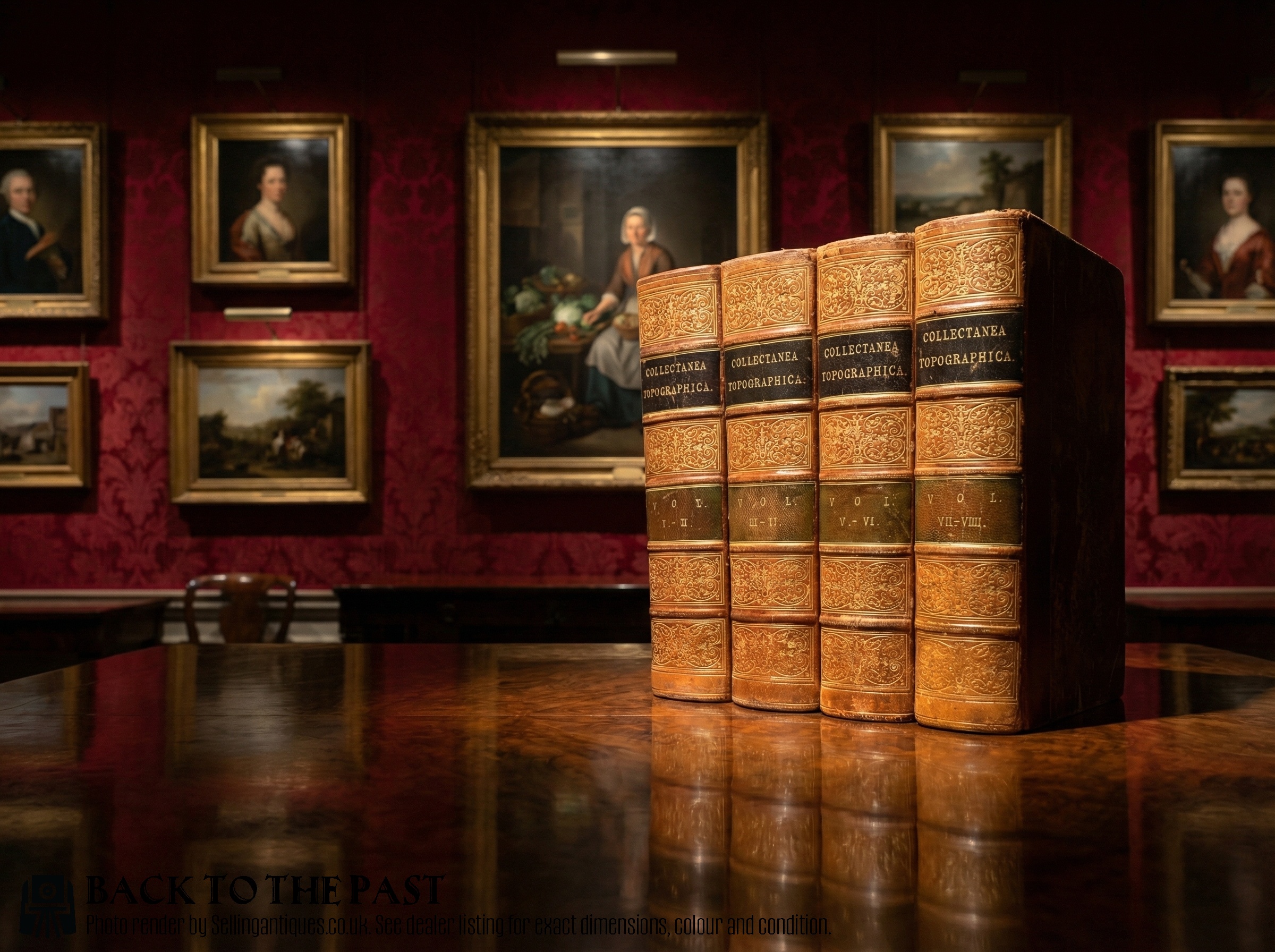
Quality depends on the uniformity of the binding across a set, where matching leather tones and consistent gilt spine tooling elevate multi-volume runs. Individual volumes show distinction through the crispness of blind stamping and the depth of hand-tooled gold leaf.
The integrity of the structural materials, from solid calfskin covers to tightly sewn text blocks, separates standard reading copies from superior collector examples. Provenance and the inclusion of original plates, illustrations, or first edition status further define the upper tier.
Decorative Leather Books Retail Price Guide 2026
Typical asking prices for decorative leather books among the pieces listed under this phrase on Sellingantiques today, from the lower quarter to the upper quarter. They describe what is for sale here now, not the wider market.
Secret storage hides inside leather bindings fashioned into games boards and safes.
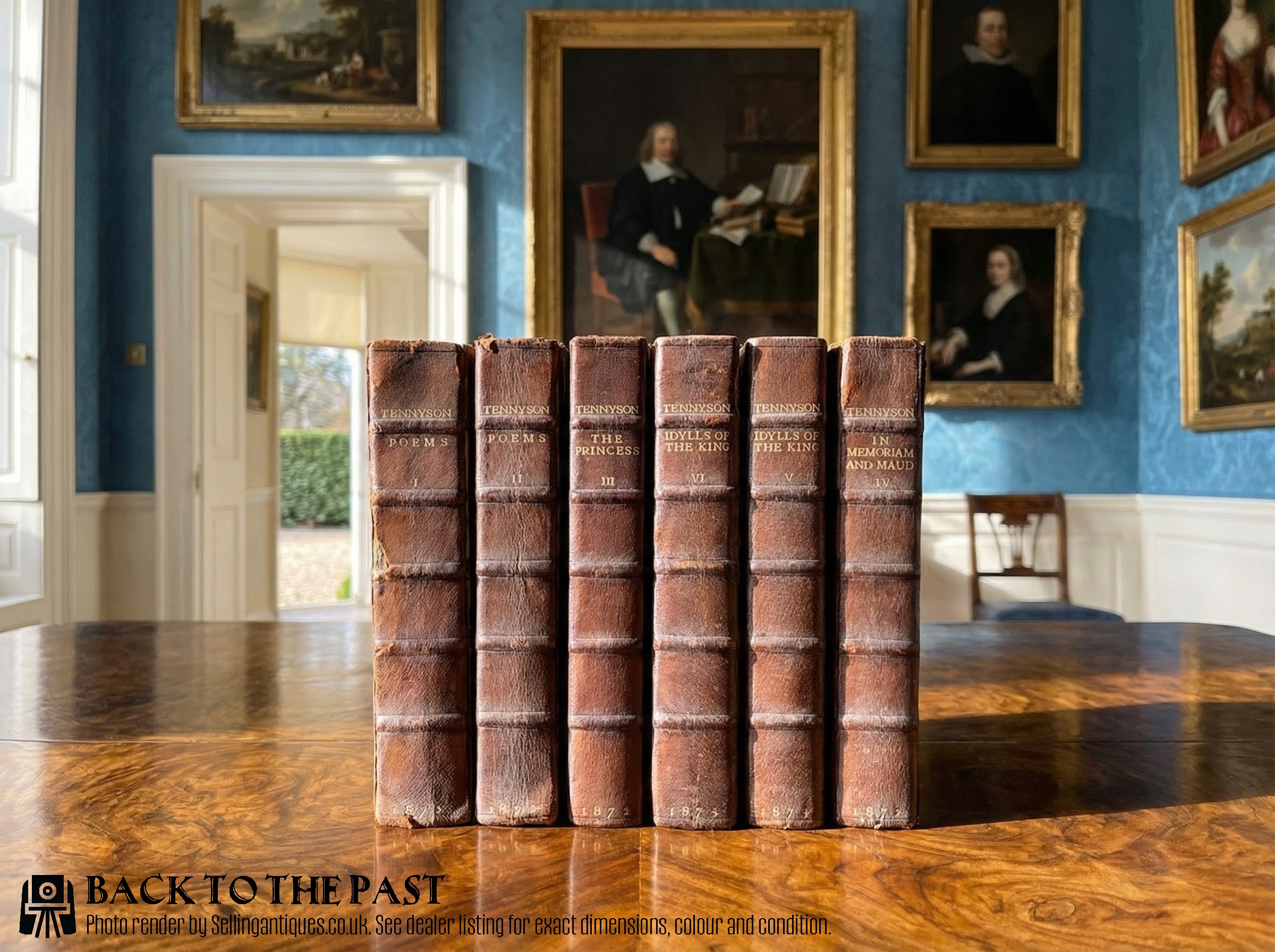
J. & R. Tonson·J. Wheble
The Decorative Leather Books Glossary
- Calfskin
- A fine, smooth leather derived from the skin of a calf, frequently used for high-end book bindings because it accepts tooling and polishing exceptionally well.
- Vellum
- A writing and binding material prepared from calf, kid, or lamb skin, prized for its pale, durable surface and historical use on complete sets.
- Gilt tooled
- A decorative technique where gold leaf is impressed into leather using heated metal tools to form lettering, borders, and ornamental patterns.
- Raised bands
- The horizontal ridges on a book spine formed by the underlying cords or tapes to which the paper sections are sewn during binding.
- Uniform run
- A series of books published or subsequently bound together in matching leather covers to present a cohesive appearance on a library shelf.
- Faux book
- A functional object, such as a games board, casket, or box, constructed to resemble a stack of leather-bound volumes with decorated spines.
Decorative Leather Books: Frequently Asked Questions
What are decorative leather books?
These pieces are historical volumes, sets, and functional objects bound in leather, vellum, or cloth, selected for their visual appeal in home interiors.
They combine historical literature, poetry, and reference texts with traditional bookbinding artistry from past centuries.
How were leather books used historically?
Owners displayed them in private libraries, studies, and drawing rooms as markers of education, social standing, and literary taste.
Multi-volume sets served both as working reference libraries and as unified decorative elements designed to complement interior joinery and furniture.
How should I live with leather books?
Keep them upright on sturdy shelving away from direct sunlight and excessive heat sources to prevent the leather from drying out and cracking.
Handle bindings with care when removing them from shelves, supporting the spine rather than pulling by the headcap.
How do I tell periods apart?
Eighteenth-century bindings often feature simpler panel designs and heavier calfskin, while Victorian sets frequently display elaborate gilt tooling and embossed boards.
Edwardian and early twentieth-century examples lean towards cleaner cloth and leather combinations, uniform publisher bindings, and specialised limited runs.