


Victorian Book Set
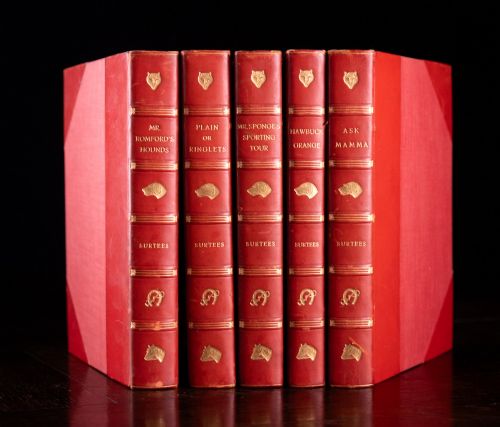
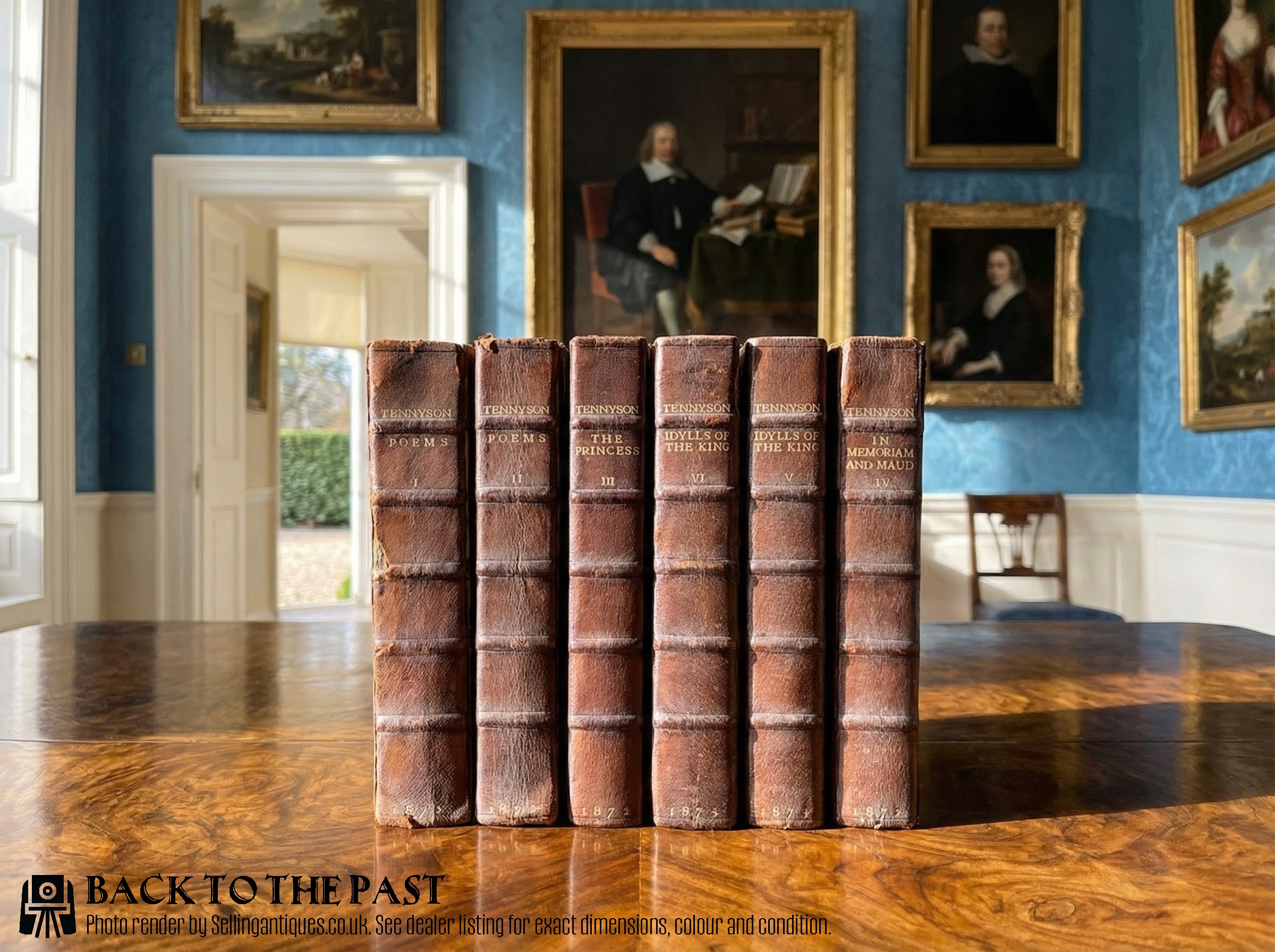
A victorian book set brings together literature and uniform leather, offering shelves immediate visual weight and a genuine sense of period study.
Victorian Book Set
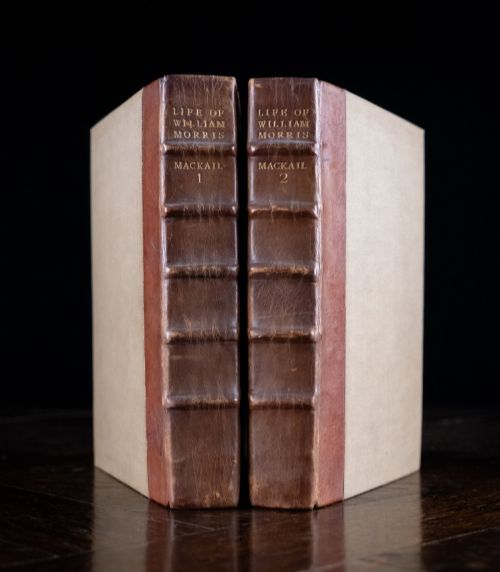
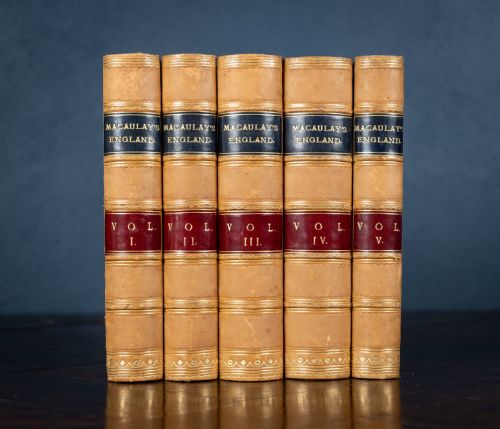
A victorian book set comprises multi-volume literary works, historical texts, or poetry collections unified by binding, author, or publisher. You will most frequently encounter multi-volume editions of classic authors, poetry, and historical surveys bound together during the nineteenth century.
These sets range from compact four-volume collections of drama to extensive multi-volume series of novels or natural history, often retaining their original publisher bindings or uniform rebinding from period workshops.
How They Were Made
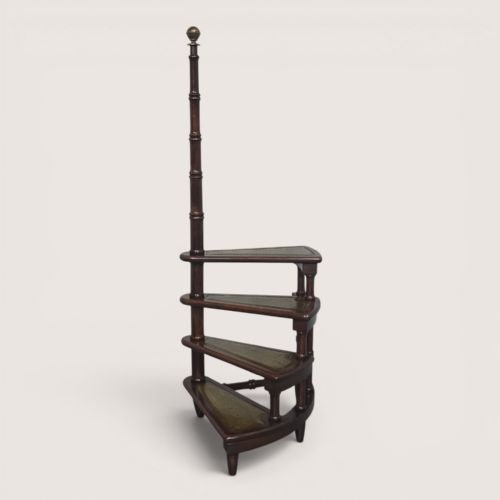
Binders utilised leather, cloth, and paper over rigid board cores, applying gold leaf tooling to spines and boards for titling and decoration. Materials such as brass, oak, and mahogany appear alongside paper and leather in related library furniture and specialised desk pieces.
Spines were typically sewn onto raised cords, allowing the volumes to open flat while maintaining structural integrity across repeated handling. Tooling techniques combined blind stamping with genuine gold leaf to create crisp lettering and ornamental borders.
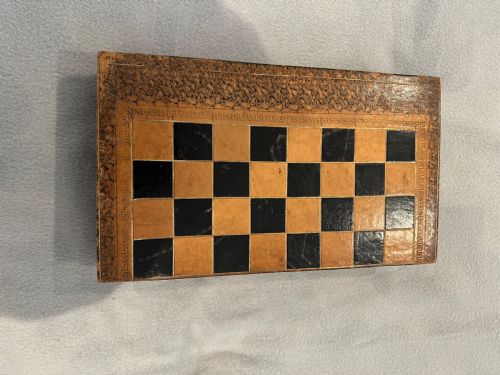
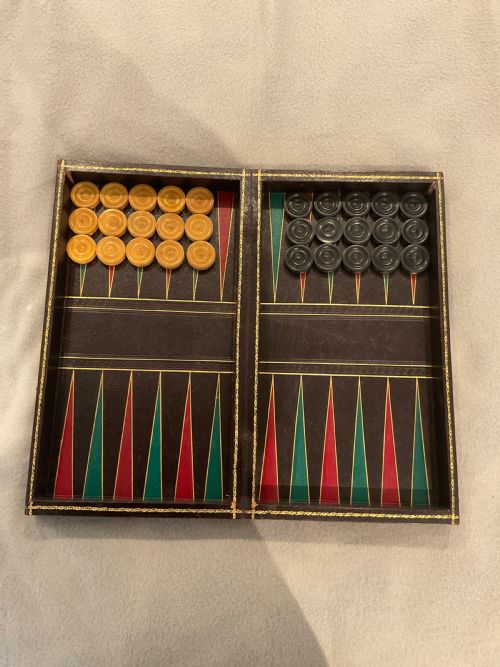
Surviving nineteenth-century faux book games boards hide actual gaming compartments inside dummy leather spines.
What Varies in Quality
The standard of a victorian book set rests upon the uniformity of the binding materials and the precision of the spine lettering and tooling. Sets bound uniformly by known binderies command greater attention than mismatched volumes thrown together later.
Condition of the leather, integrity of the internal hinges, and preservation of the original gold leaf finish dictate the standing of any individual set. Completeness of multi-volume runs remains vital, as missing volumes disrupt the historical and visual sequence.
Henry Young And Son
The Victorian Book Set Glossary
- Tree calf
- A type of calfskin leather treated with chemical agents to produce a branching, tree-like pattern on the cover. It was a popular choice for fine library bindings during the nineteenth century.
- Tooling
- The process of pressing decorative designs or lettering into book covers using heated metal tools. It is executed either with gold leaf or as blind tooling without colour.
- First edition
- The earliest printed appearance of a work issued from type set specifically for that edition. In multi-volume sets, identifying first printings often requires checking individual title pages.
- Rebound
- A book that has received new binding covers and spine repairs long after its initial publication. This practice was common when original bindings failed through heavy library use.
- Half binding
- A style where the spine and corners of a book are covered in leather, while the sides utilise cloth or marbled paper. It offered libraries a durable finish at a lower cost.
Victorian Book Set: Frequently Asked Questions
How do I care for leather bound books?
Keep leather bound volumes away from direct sunlight and excessive heat sources to prevent the material from drying out and cracking. Maintain a stable room temperature and dust tops of text blocks regularly with a soft brush.
Avoid applying modern chemical conditioners unless formulated specifically for antique leather, as improper substances can discolour historical bindings and paper fibres.
Are these sets complete?
Completeness varies by listing, ranging from single multi-volume works held within a uniform run to partial sequences of longer novel series. Check individual descriptions for volume counts and specific publication dates.
Matching bindings often indicate a publisher's uniform edition or a bespoke library order commissioned during the nineteenth century.
How do I identify a period binding?
Examine the spine construction, paper quality, and finishing techniques used on the boards. Nineteenth-century binders employed specific hand-tooling methods, marbled endpapers, and distinct leather treatments that differ from modern reproductions.
Look for period typographical styles on title pages and binder tickets pasted inside the covers when available.
Can I read these books regularly?
These volumes remain readable, but their age requires careful handling to preserve fragile paper and historical spine stitching. Open them gently and support the covers fully during use.
For daily reading, collectors often reserve antique sets for display and reference, utilising modern editions for regular study.