




Leather Bound Literature
Leather bound literature brings historical texts and classic novels into your study, bound in calfskin, vellum, and gold leaf.
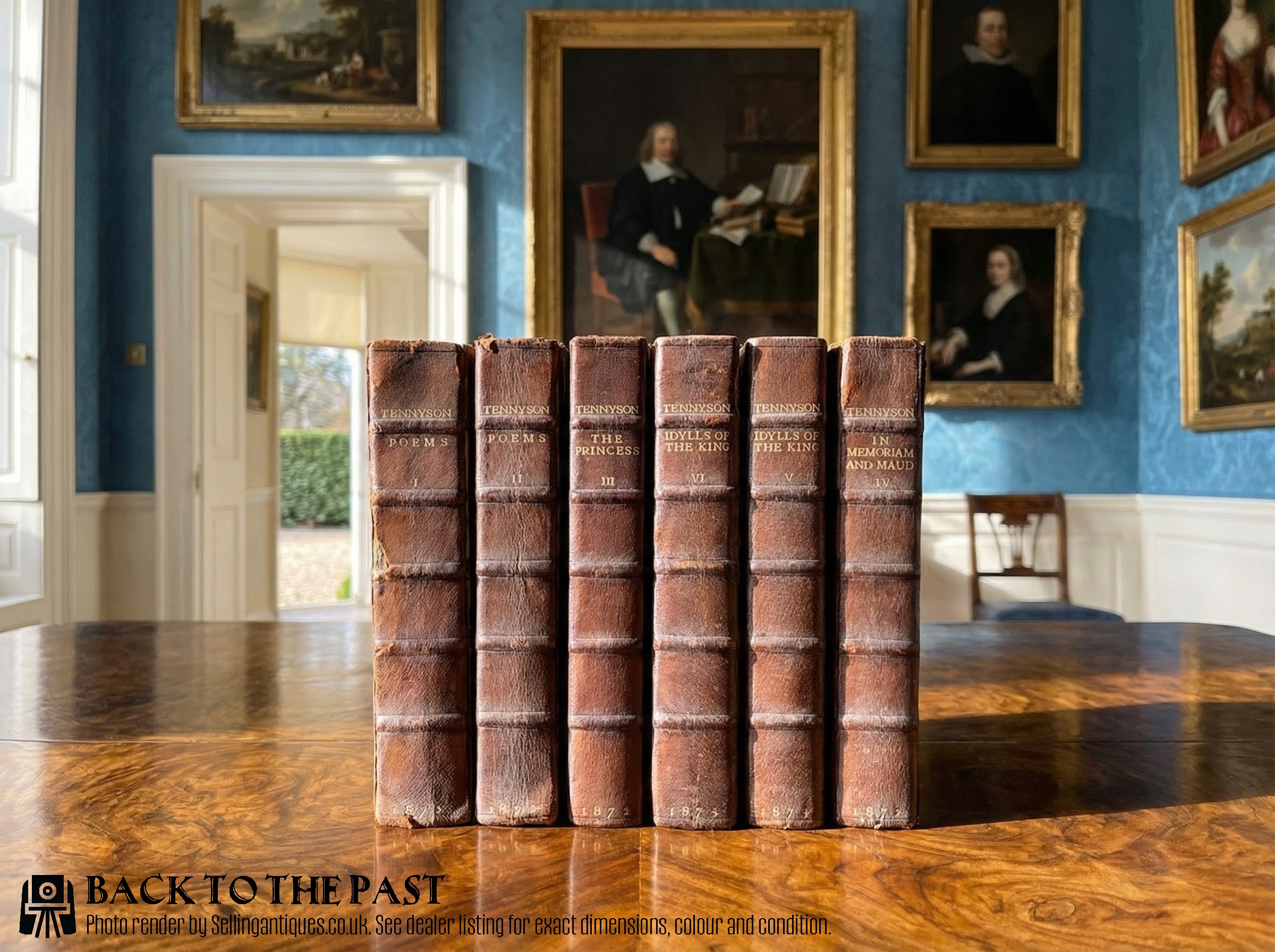
Leather Bound Literature
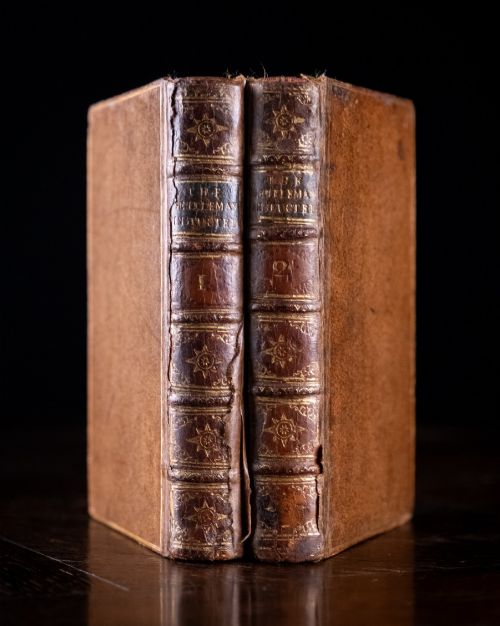
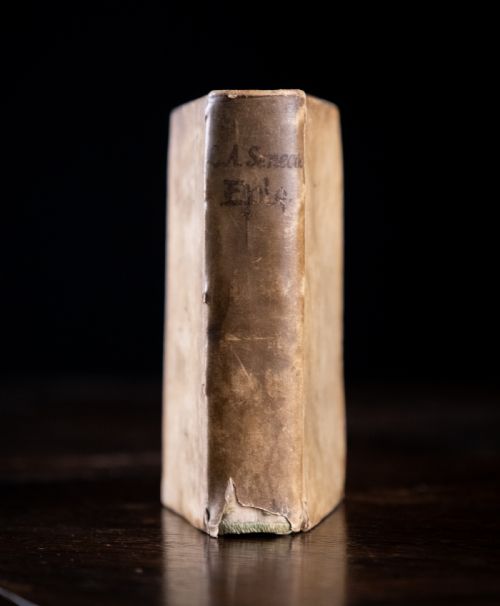
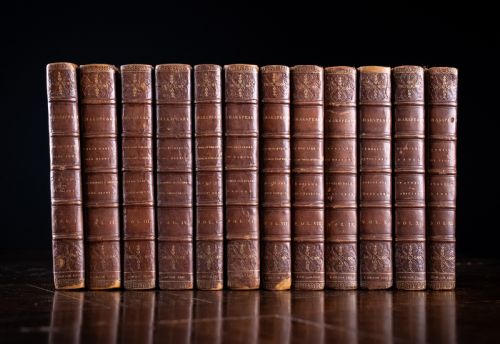
Leather bound literature comprises antique books, antiquarian volumes, and complete book sets spanning the seventeenth through the nineteenth centuries. These pieces encompass historical texts, philosophy, plays by William Shakespeare, and multivolume novel sets by authors such as Sir Walter Scott.
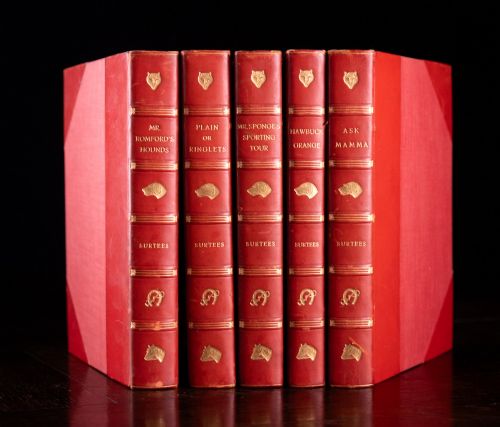
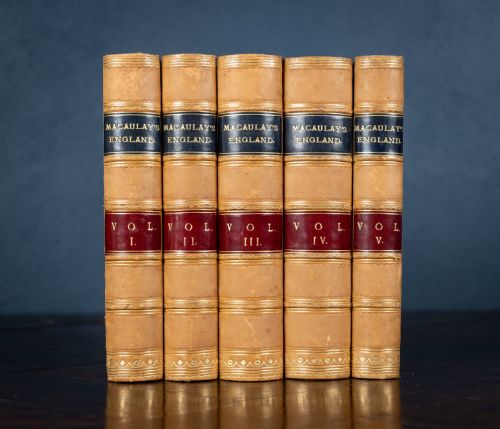
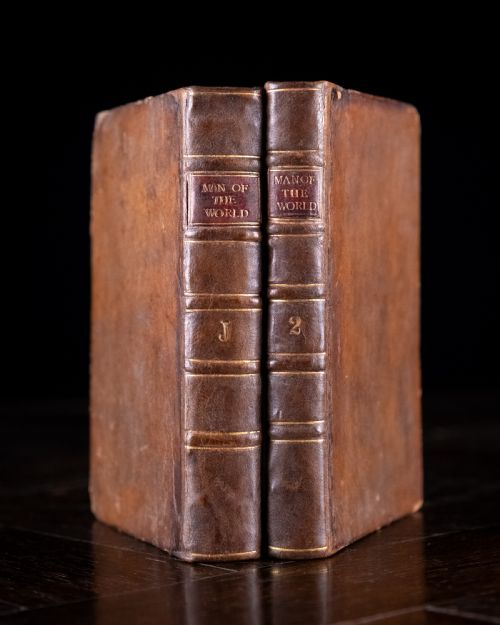
The most common versions on this page are nineteenth century Victorian and Regency multivolume sets, alongside eighteenth century philosophical and epistolary works. Individual volumes and large matching sets appear frequently in calfskin and marbled paper.
Collectors seek these editions for their tactile bindings, historical typography, and the presence of period illustrations by artists such as Gustave Dore. They serve as both readable literature and decorative library furnishings.
How leather bound literature was made
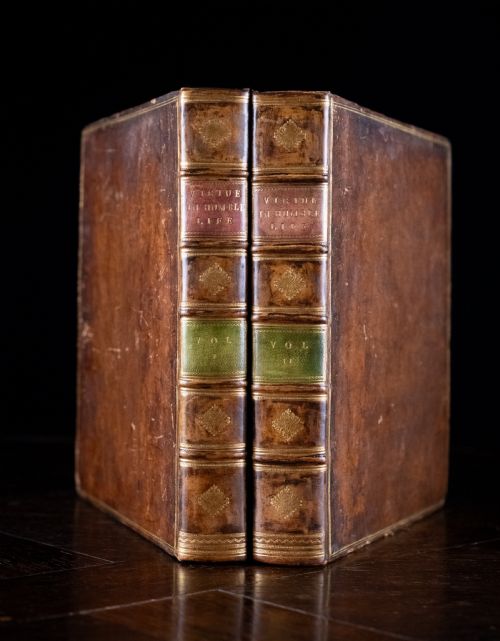
Binders used durable calfskin leather and vellum stretched over sturdy boards to protect the paper text blocks inside. Spines were often ribbed and impressed with gold leaf tooling to display titles and author names.
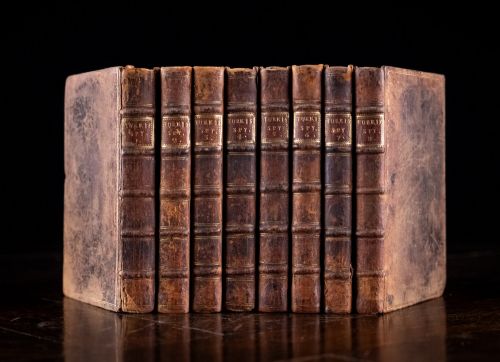
Pages were printed on handmade paper, sometimes accompanied by marbled paper endpapers. Sets were frequently bound uniformly to match library shelves during the Georgian and Victorian periods.
Listings feature paper, gold leaf, leather, calfskin, vellum, and marbled paper across the seventeenth, eighteenth, and nineteenth centuries.
What varies in quality
The degree of preservation in the leather and the integrity of the original binding dictate the standing of a volume. Uniform sets that retain their matching calfskin covers command greater interest than mismatched individual books.
The crispness of the gold leaf tooling on the spine and the clarity of the typography reflect the skill of the original bindery. Completeness across multivolume sets also determines how thoroughly a work represents its period.
Jean Dassier·Gustave Dore
The Leather Bound Literature Glossary
- Calfskin
- A fine, smooth leather derived from the skin of a calf, frequently used for durable bookbindings. It takes gold tooling exceptionally well.
- Vellum
- A fine parchment made from calf or kid skin, prized for its strength and pale, smooth surface. It was often utilised for durable historical bindings.
- Gold leaf
- Gold beaten into an extremely thin sheet, used for lettering and decorative tooling on book spines. It provides a lasting metallic sheen that resists tarnishing.
- Marbled paper
- Paper decorated with a colourful pattern resembling marble, traditionally used for endpapers inside book covers. It adds a decorative flourish to the opening of a volume.
- Antiquarian books
- Volumes valued for their age, rarity, or historical significance rather than simply their text. These books often date from the seventeenth and eighteenth centuries or earlier.
Leather Bound Literature: Frequently Asked Questions
How do I care for leather bound books?
Keep volumes away from direct sunlight and excessive humidity to prevent the leather from drying out or cracking. Handle the spines gently when removing books from a shelf.
Allow adequate air circulation around your library shelves and avoid sealing antique books in airtight plastic containers.
Are these book sets complete?
Many listings detail specific multivolume sets, such as twelve volume Shakespeare editions or twenty five volume Waverley novels. Read each description carefully to confirm the exact number of volumes included.
Some historical sets span multiple years or comprise specific numbered volumes from a larger published run.
What periods do these books represent?
The available literature spans from the seventeenth century through the nineteenth century, encompassing Georgian, Regency, and Victorian styles. Dates range from early seventeenth century philosophical epistles to late nineteenth century uniform sets.
Earlier eighteenth century editions often feature distinct neoclassical typography and binding styles characteristic of that era.
Can I read these antique books?
These volumes contain historical literature, plays, and novels intended for reading, though older bindings require gentle handling. The text blocks house centuries of printing history.
Support the spine properly when opening a volume to avoid placing stress on the historical calfskin or vellum joints.