




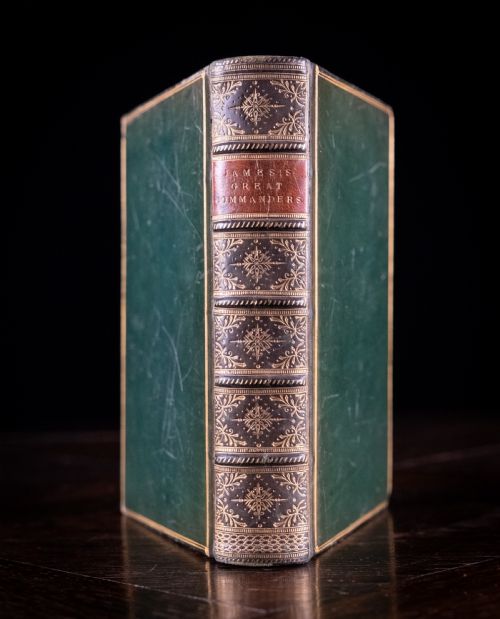


19th Century Leather Book
A 19th century leather book brings tactile history and classic literature directly to your shelf.
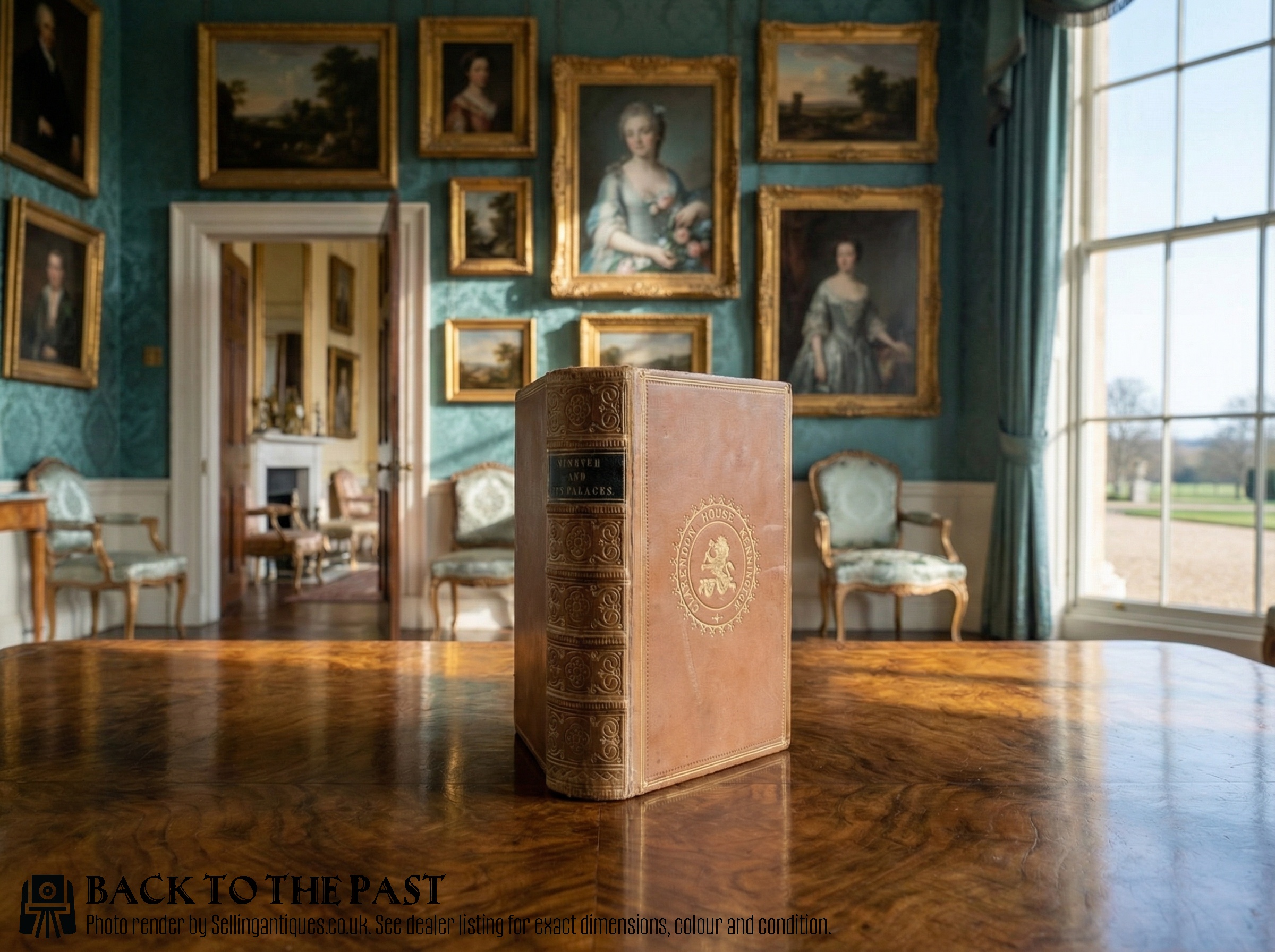
19th Century Leather Book
When you search for a 19th century leather book, you encounter a variety of antiquarian items spanning literature, poetry, and historical sets. The selections on this page range from single miniature notebooks to multi-volume sets of Waverley novels and Shakespeare plays.
Beyond standard reading volumes, the evidence shows these pieces taking alternative forms including decorative boxes, games boards, and cheroot cases styled to resemble stacked bindings. These objects reflect the Victorian and Regency fondness for disguising everyday items inside literary covers.
Most pieces date from the Regency era through to the late Victorian period, frequently retaining their original calfskin or calfskin leather bindings. Buyers find both single first editions and extensive uniform sets intended for display in period rooms.
Materials and Binding Techniques
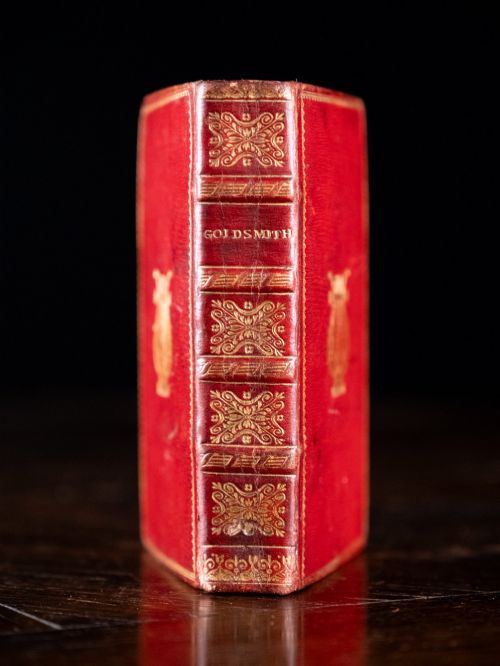
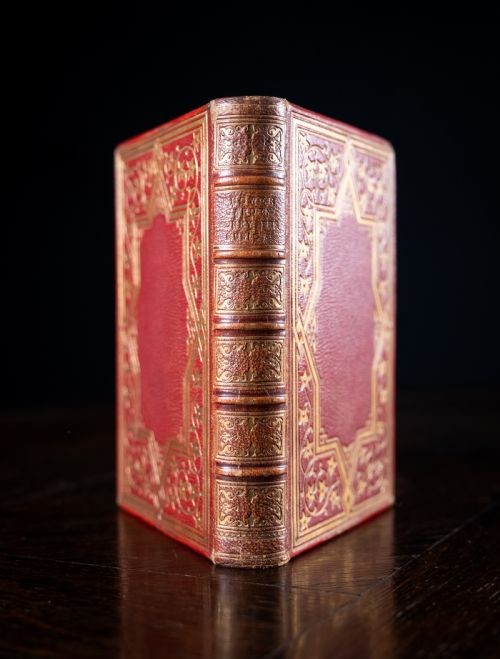
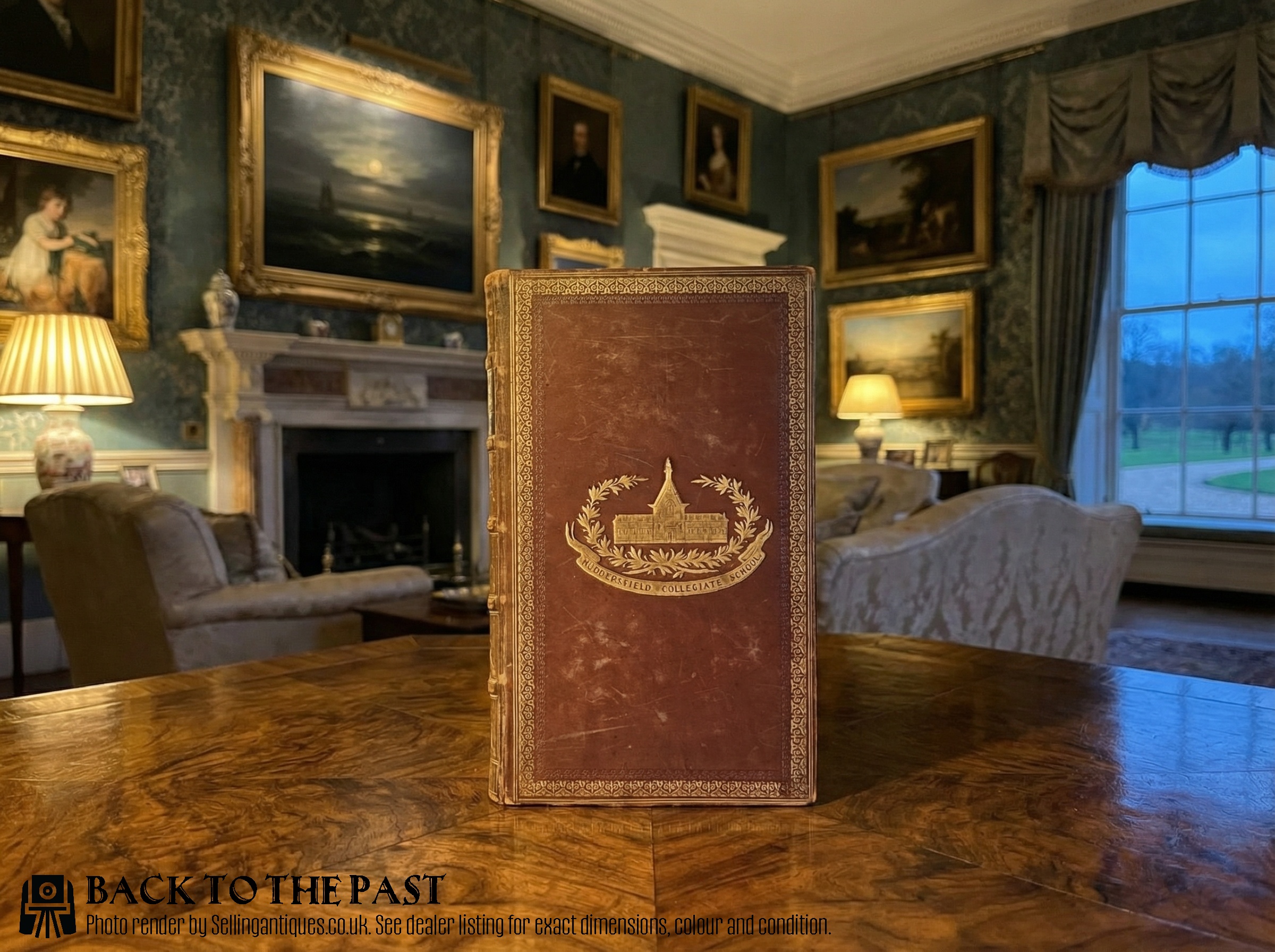
Binders constructed these volumes using sturdy paper blocks encased in calfskin leather, often complemented by marbled paper endpapers. Many bindings received detailed decoration through the application of gold leaf across the spines and boards.
Printers and binders incorporated brass hardware on specialty items like note books and desk stands, while others utilised cloth or vellum covers depending on the publisher and period. Illustrators added visual depth to the pages using engraved plates.
19th Century Leather Book Retail Price Guide 2026
Typical asking prices for 19th century leather book among the pieces listed under this phrase on Sellingantiques today, from the lower quarter to the upper quarter. They describe what is for sale here now, not the wider market.
Listings feature literary works by authors such as Sir Walter Scott, Charles Dickens, and William Shakespeare.
Factors Defining Quality
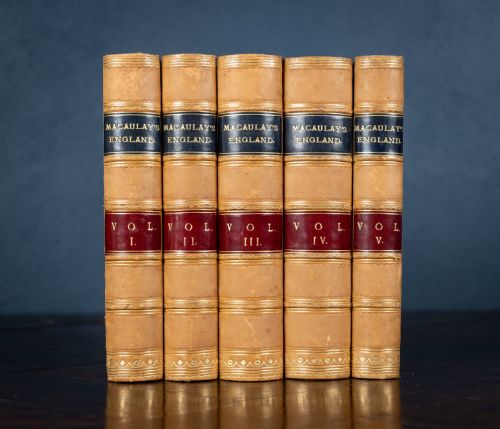
Quality rests on the integrity of the binding and the uniformity of multi-volume sets. Complete sets matching in colour and tooling command greater interest than mismatched individual volumes.
The crispness of the gold leaf tooling and the condition of the marbled paper linings indicate the standard of craftsmanship. Original publishers' bindings hold a distinct position compared to later rebound editions.
The 19th Century Leather Book Glossary
- Calfskin
- A fine leather derived from the skin of a calf, prized for its smooth texture and frequent use in nineteenth-century bookbindings. It takes gold tooling exceptionally well.
- First Edition
- The initial published appearance of a text, often sought by collectors for its priority of printing. These volumes represent the earliest form of a work released to the public.
- Marbled Paper
- Decorated paper featuring swirling colour patterns, commonly utilised for the endpapers inside the front and back covers of leather-bound books. It protects the inner hinge and adds visual decoration.
- Gold Leaf
- Extremely thin sheets of beaten gold applied to the leather covers and spine lettering during the finishing process. This material provides the bright metallic highlights seen on period bindings.
- Book Set
- A collection of multiple volumes sharing a uniform author, subject, and binding style. They were frequently produced to house complete novels or historical series.
19th Century Leather Book: Frequently Asked Questions
What periods do these books cover?
The listings encompass items produced during the Regency and Victorian eras, with specific dates ranging from 1800 through to the early 20th century.
Pieces frequently display stylistic influences from the Neoclassical and Gothic Revival movements.
Do multi-volume sets stay together?
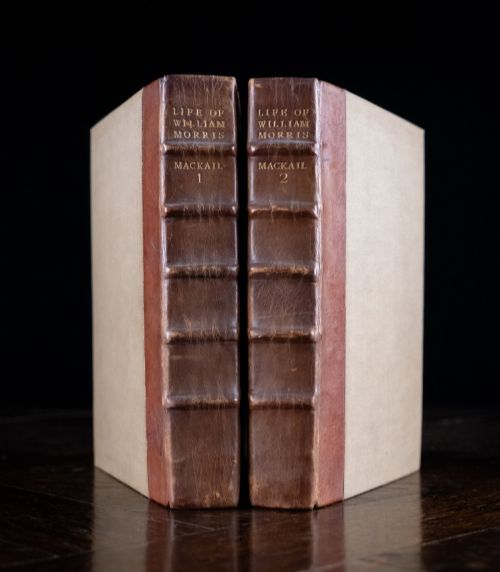
Yes, many listings offer complete multi-volume works, such as Shakespeare plays, historical accounts, and novel series bound uniformly.
These sets maintain their original grouping from the nineteenth century.
What materials are used for the covers?
The primary binding material recorded is calfskin leather, often decorated with gold leaf tooling on the spine and boards.
Some volumes feature vellum, cloth, or marbled paper components alongside brass hardware.