


Antiquarian History Book
An antiquarian history book brings centuries of scholarship, binding skill, and narrative right into your hands.
Antiquarian History Book
An antiquarian history book encompasses works ranging from seventeenth-century cathedral studies to eighteenth-century biographies, sets, and miniature volumes. Buyers searching this phrase seek tangible links to past eras through period print and historical texts.
The versions most commonly met on this page span the seventeenth, eighteenth, and nineteenth centuries, including Victorian publications, Regency county references, and early twentieth-century French volumes.
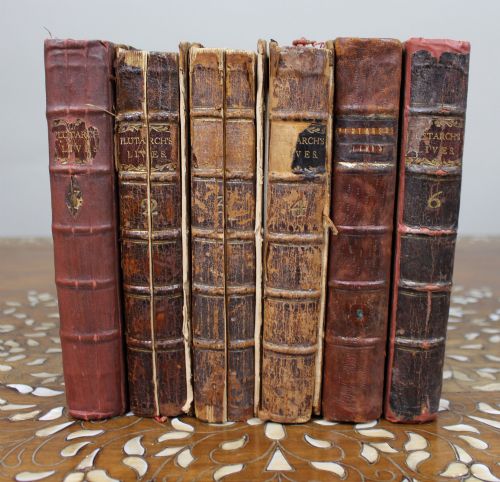
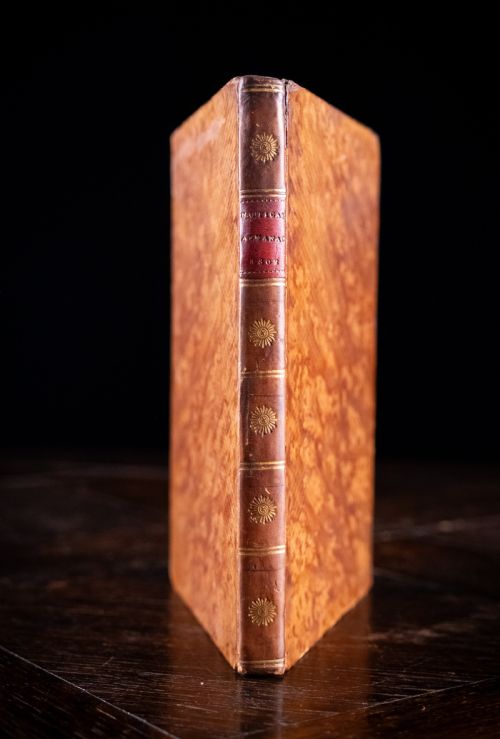
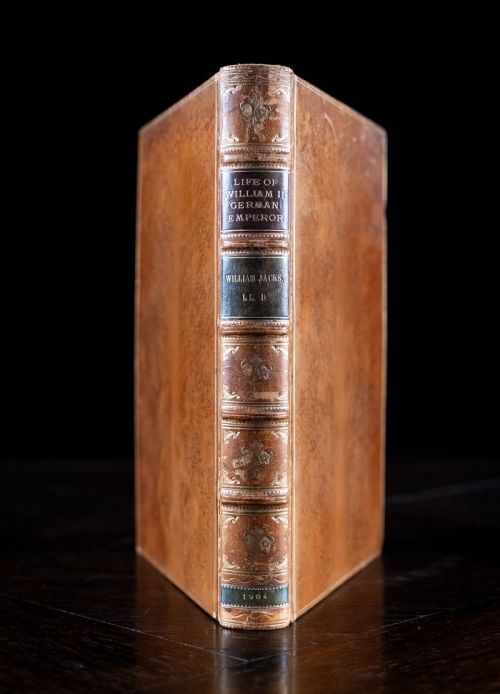
These books appear in various forms, from multi-volume biographical sets and nautical almanacs to miniature biblical histories and specialised architectural and regional accounts.
Materials and construction
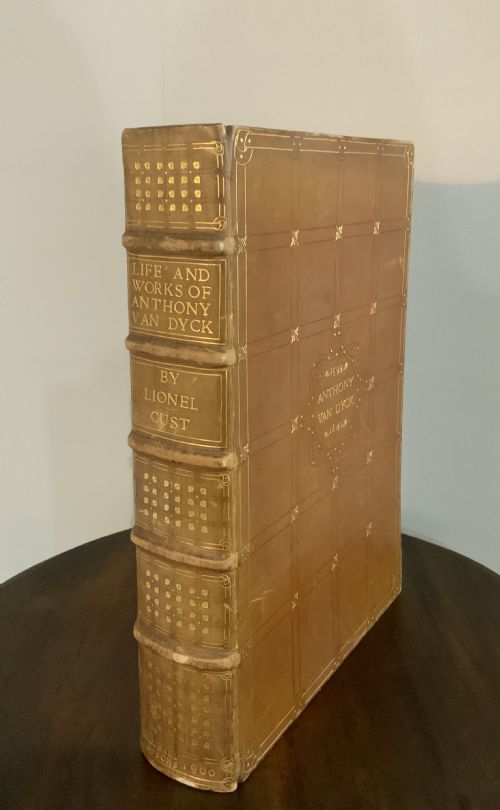
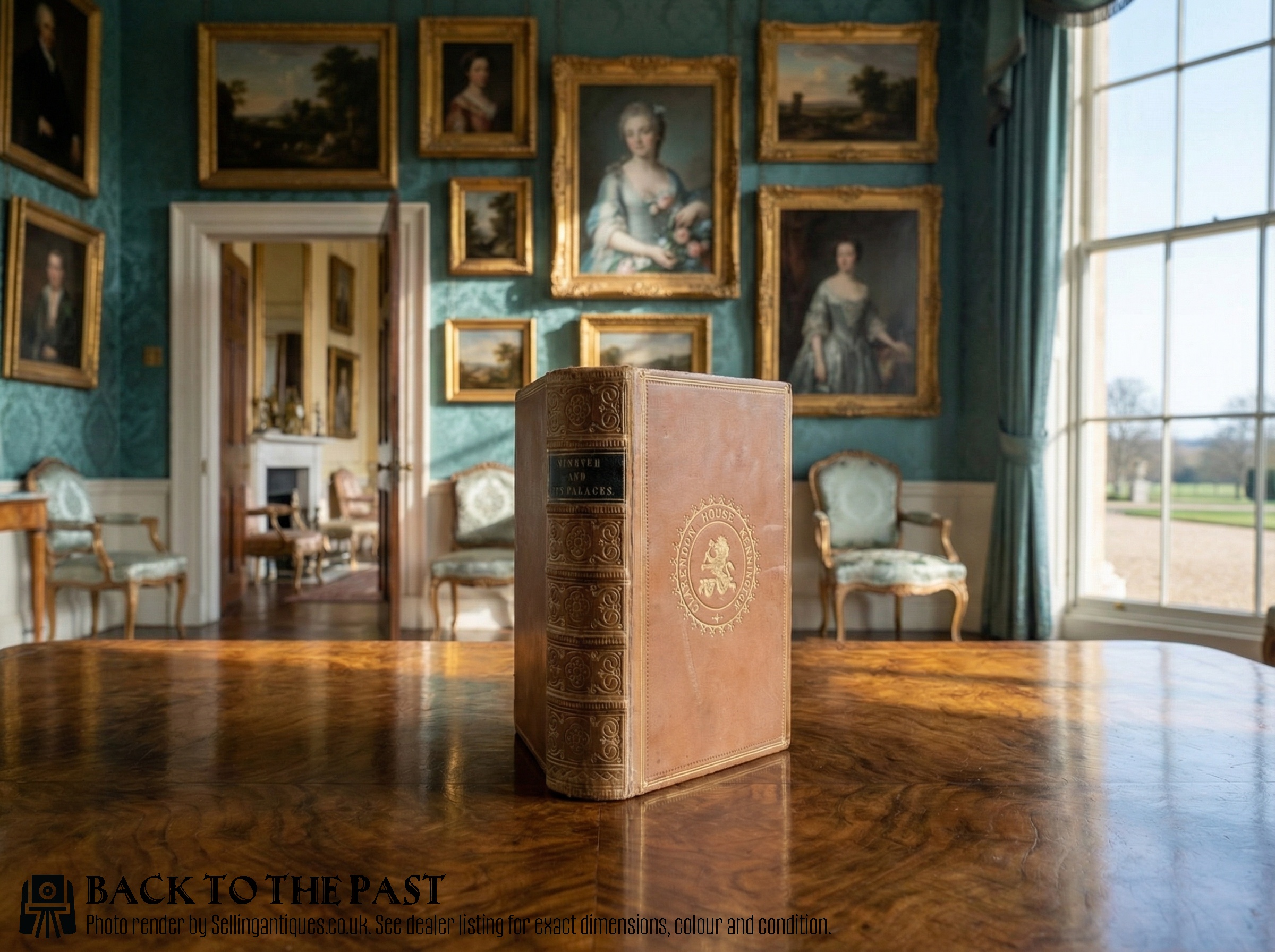
Binders utilised durable leather, calfskin, and paper, frequently embellishing spines and covers with gold leaf tooling. Pages were assembled using thread binding within protective wooden or card boards.
Text and illustrations relied on traditional ink printing techniques, sometimes accompanied by specialised bronze medals or detailed engravings set into the historical volumes.
Some past volumes are so delightfully tiny they manage to condense the entire Old and New Testaments into a miniature book.
Judging quality and condition
Quality rests upon the original integrity of the binding, the crispness of the gold leaf tooling, and the preservation of the internal paper leaves. Complete multi-volume sets hold a different presence compared to single surviving editions.
The distinction between standard nineteenth-century printings and scarce seventeenth-century first editions involves the survival of contemporary materials, contemporary provenance, and the overall craftsmanship invested by the original printer and binder.
The Antiquarian History Book Glossary
- Calfskin
- A fine, smooth leather commonly used for binding historical books. It provides a durable yet supple surface that accepts gold tooling particularly well.
- Gold leaf
- Extremely thin gold beaten into sheets, used for lettering and decorative tooling on leather bindings. It adds both distinction and lasting shine to the spine.
- Miniature book
- A tiny volume produced for portability or as a novelty, often containing condensed scriptural or historical texts.
- Marbled paper
- Paper decorated with a colourful patterned design resembling marble, frequently utilised for endpapers inside the cover.
Antiquarian History Book: Frequently Asked Questions
What is an antiquarian history book?
An antiquarian history book is a volume of historical text produced in earlier centuries, valued for its age, content, and traditional binding methods.
These books range from scholarly local histories and biographies to miniature religious texts spanning the seventeenth to the twentieth centuries.
How were leather book bindings decorated?
Binders decorated leather covers using gold leaf applied with heated metal tools to press intricate patterns and titles into the surface.
This technique, known as tool gilding, protected the leather while displaying the volume's title and author clearly along the spine.
How should I care for antique books?
Antique books require stable environmental conditions away from direct sunlight, excessive moisture, and fluctuating temperatures to preserve the leather and paper.
Handling them with clean hands and supporting the spine when opening prevents strain on the original thread and board attachments.
How can I tell the period of a book?
The period can often be identified through the title page date, typography style, paper texture, and the characteristics of the leather binding.
Specific historical figures, printing locations, and publisher details mentioned within the text or preliminaries also help confirm the era of production.