




Decorative Leather Spine Book
A decorative leather spine book brings tactile warmth and historic presence to shelves through enduring natural materials and time-honoured bindings.
Decorative Leather Spine Book
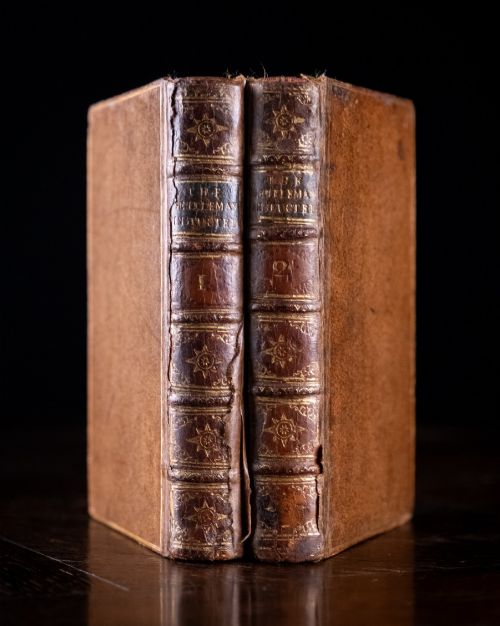
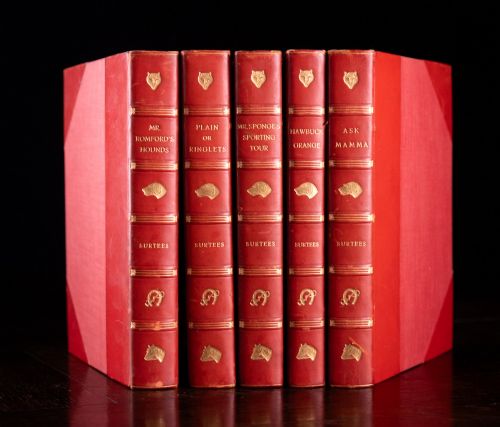
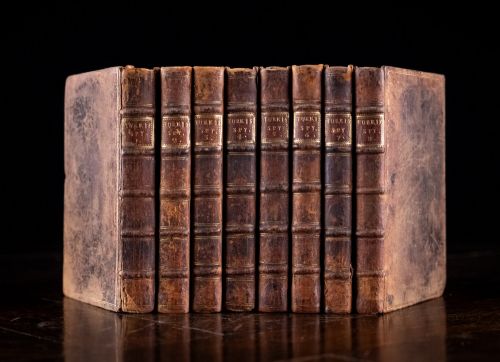
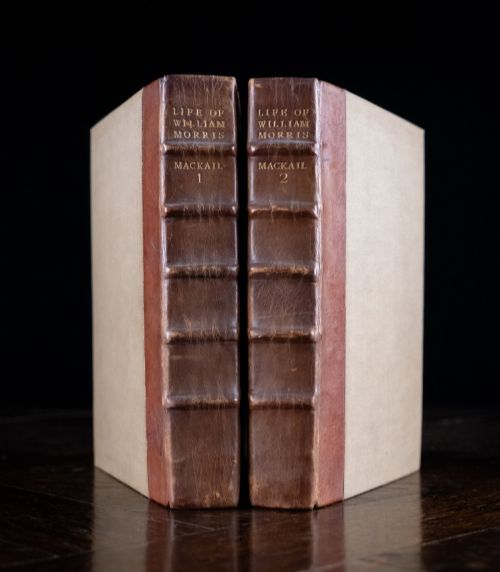
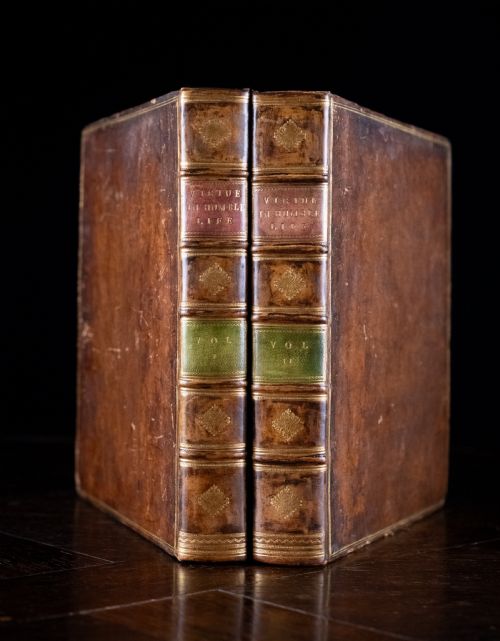
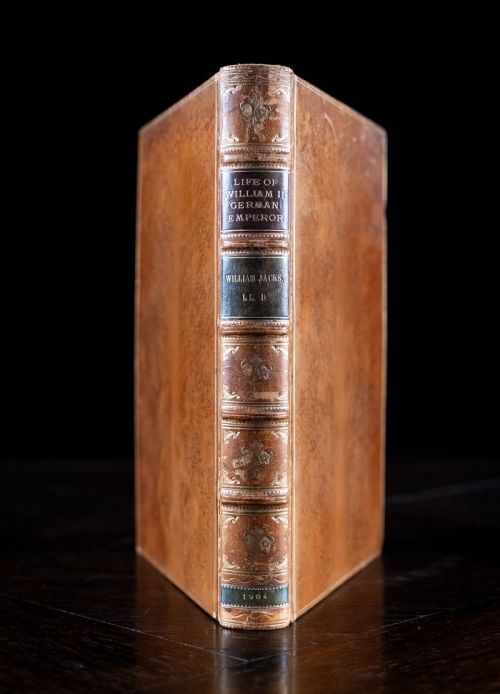
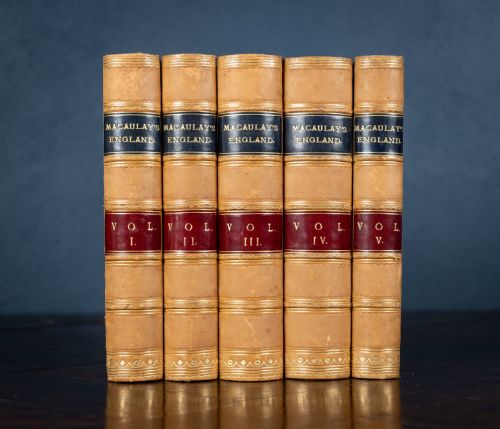
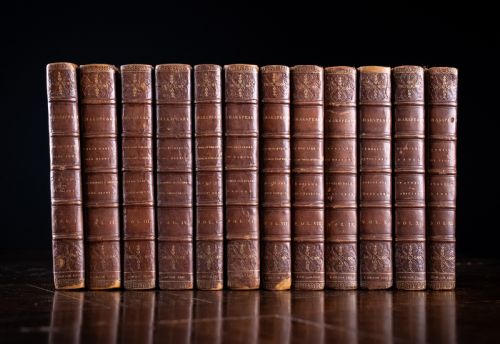
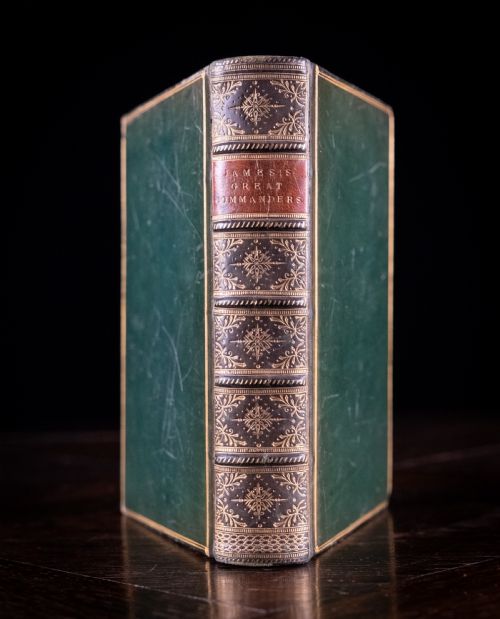
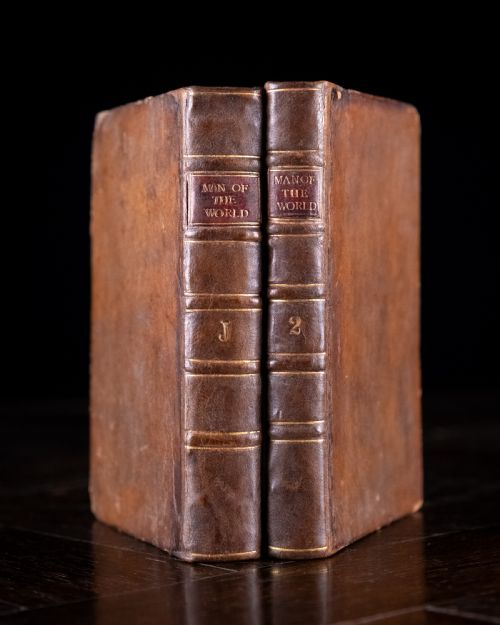
A decorative leather spine book serves as both a literary object and a visual element for interior display. When searching for a decorative leather spine book, buyers encounter single volumes, complete multi-volume sets, and curated groupings spanning the eighteenth, nineteenth, and early twentieth centuries. These volumes cover subjects ranging from classical literature and history to philosophy and sporting novels.
The pieces on this page originate from periods such as the Georgian, Regency, Victorian, and Edwardian eras. Many present uniform bindings created for libraries or private collections, including multi-volume sets of Shakespeare, histories, and novels. Vellum-covered books and calfskin bindings appear frequently among these antique and antiquarian selections.
Assessing quality in historical bindings
Quality in a decorative leather spine book rests upon the integrity of the binding materials and the precision of the hand-tooled decoration. Finer examples display crisp gold leaf lettering, well-preserved leather textures, and uniform sets that have remained intact through generations.
The distinction between standard volumes and superior pieces often lies in the depth of the craftsmanship and the completeness of multi-volume sets. Original bindings executed by notable binderies carry a greater uniformity and refinement in their decorative finishing compared to utilitarian library re-bindings.
Listings feature works translated into English alongside original English texts from the eighteenth and nineteenth centuries.
Henry Young & Son
The Decorative Leather Spine Book Glossary
- Vellum
- A fine parchment made from calfskin, often used for durable and pale book bindings. It provides a smooth surface that takes blind tooling well.
- Calfskin
- A soft and supple leather derived from the hide of a calf, frequently utilised for fine nineteenth-century book bindings. It accepts staining and polishing to a high sheen.
- First Edition
- The earliest printed iteration of a work released for public distribution. Collectors prize these initial printings for their textual authority.
- Blind Tooling
- An impressed decorative design on leather made with heated metal tools without the addition of gold leaf. This technique creates subtle textural patterns on the spine.
- Gilding
- The application of gold leaf onto leather bindings using heated tools. It highlights lettering and decorative motifs along the spine.
Decorative Leather Spine Book: Frequently Asked Questions
How do I date a leather bound book?
Dating typically relies on the printed title page within the volume or publisher inscriptions. Binding styles and typography styles also offer strong indicators of the period of production.
Secondary clues include paper watermarks, endpaper designs, and historical ownership bookplates pasted inside the front cover.
Are multi-volume sets always complete?
Not every multi-volume set survives in its entirety over the centuries. Many listings specify whether a set is complete, such as eight-volume or twelve-volume editions.
Checking the volume numbers printed on the spines helps verify if any individual books are missing from the sequence.
How should I care for antique leather books?
Antique leather requires stable environmental conditions away from direct sunlight and excessive humidity. Keeping the room temperature moderate prevents the leather from drying out and cracking.
Handling the volumes gently by supporting the spine rather than pulling them by the headcap preserves the structural integrity.
What is the difference between calfskin and vellum?
Calfskin is a soft, tanned leather derived from animal hide with a flexible and textured surface. It is commonly coloured brown, red, or black.
Vellum is an untanned or lightly treated parchment, usually made from calf or sheep skin, known for its smooth, pale, and rigid finish.