

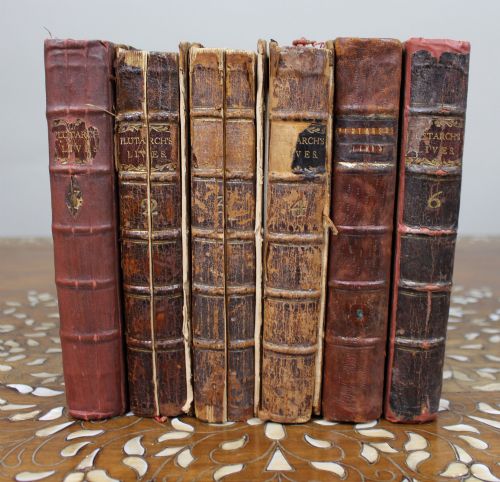
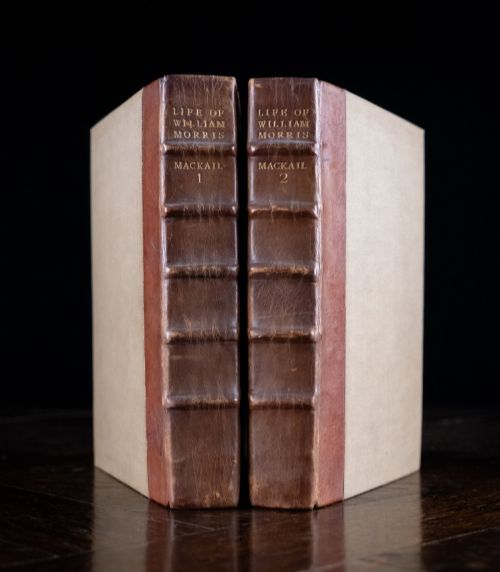
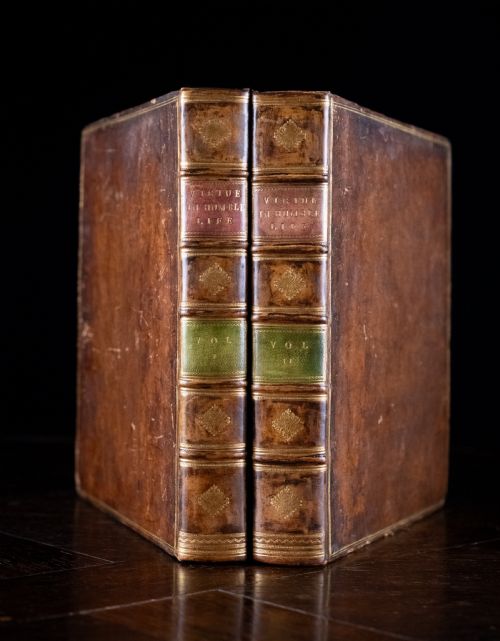
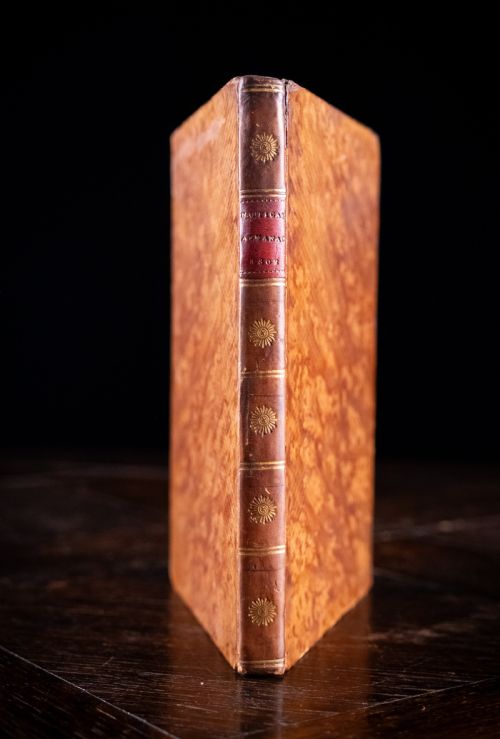
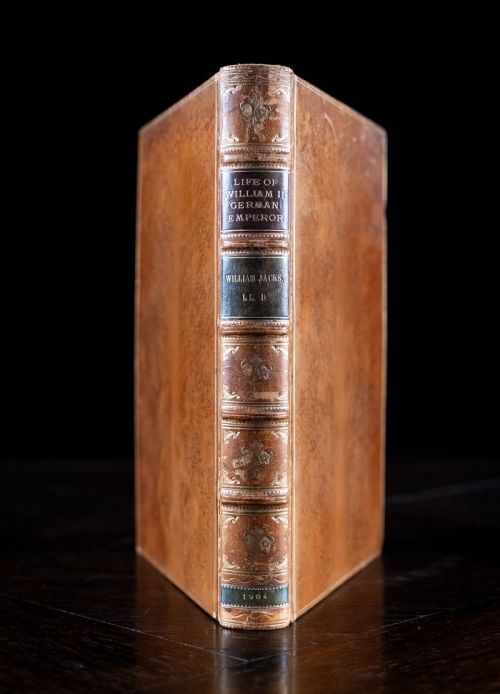
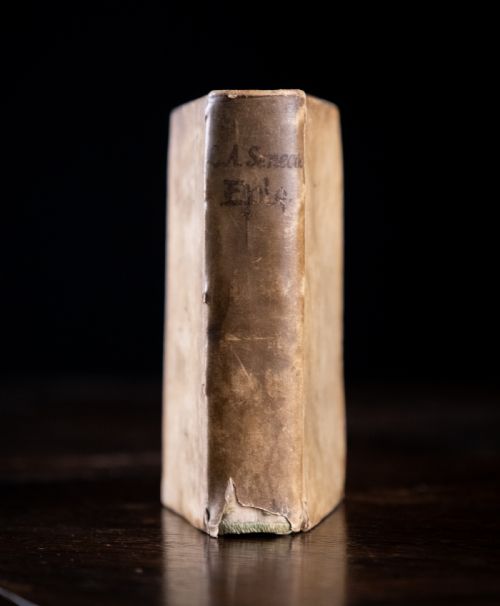
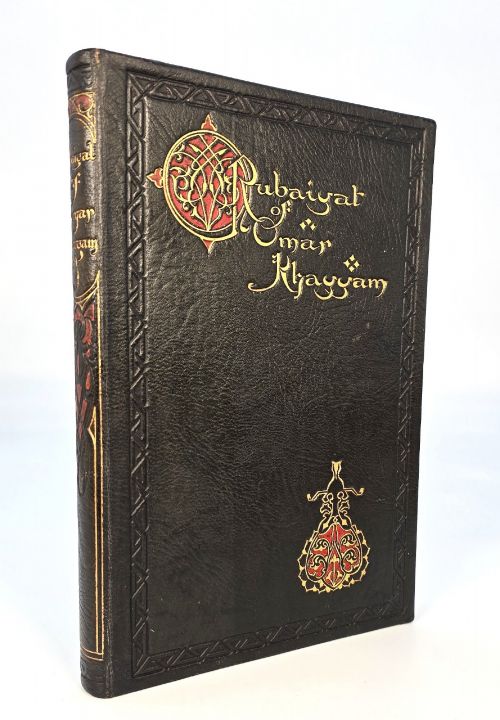
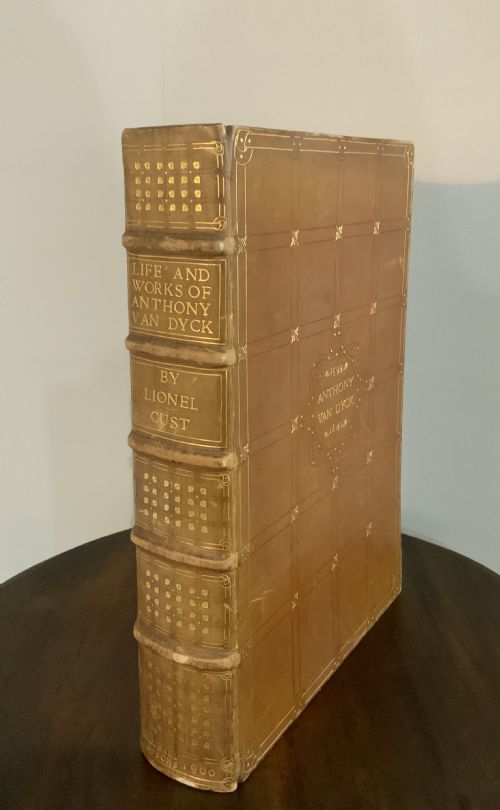
Antique Leather Bound Book
An antique leather bound book brings tactile warmth and historical weight to a room, offering tactile connection to centuries past through aged skins and printed paper.
Understanding the antique leather bound book
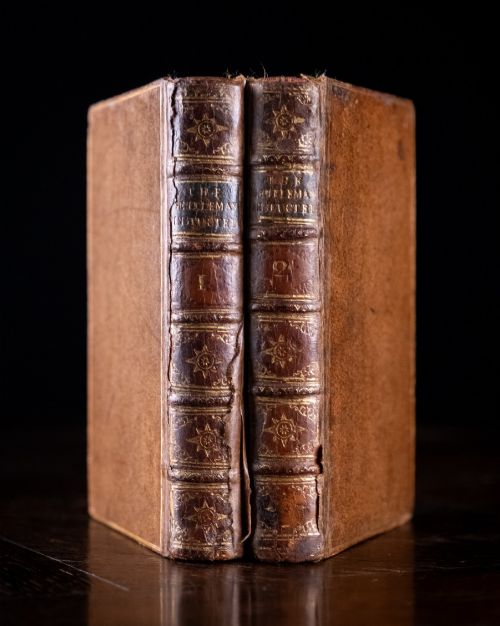
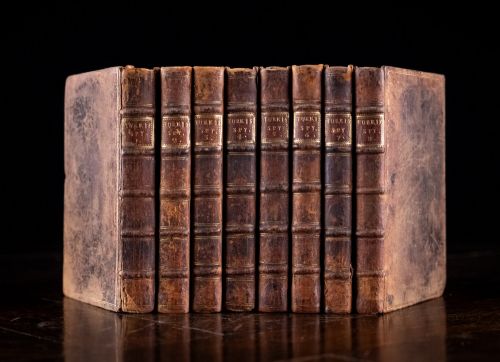
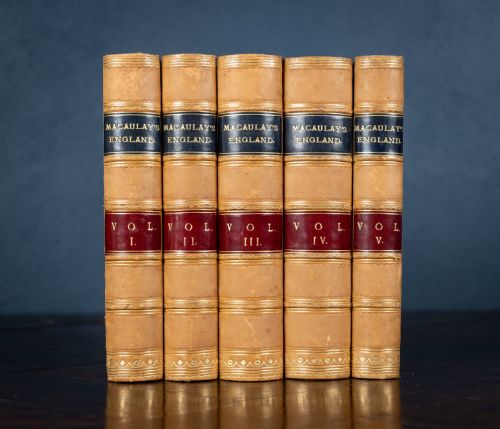
When searching for an antique leather bound book, you encounter volumes spanning the Victorian and Edwardian eras, alongside earlier Georgian and nineteenth-century examples. These pieces range from solitary biographical works and poetry to decorative French editions and religious texts.
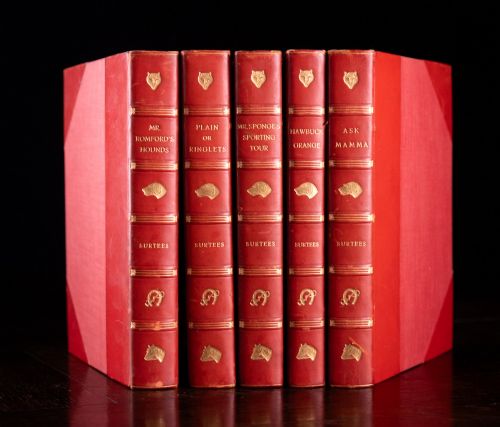
The selection frequently includes titles published in London and Paris, featuring distinct periods like 1860 and 1900. Alongside standard volumes, related items occasionally surface, such as bookends shaped like bound books, French communion books, and multi-volume literary sets.
Most volumes reflect standard publishing formats of their respective decades, utilising traditional bookbinding conventions of the period. Whether acquiring a single ecclesiastical text or a decorative run of fine bindings, each piece retains the distinct character of its original production.
Materials and construction methods
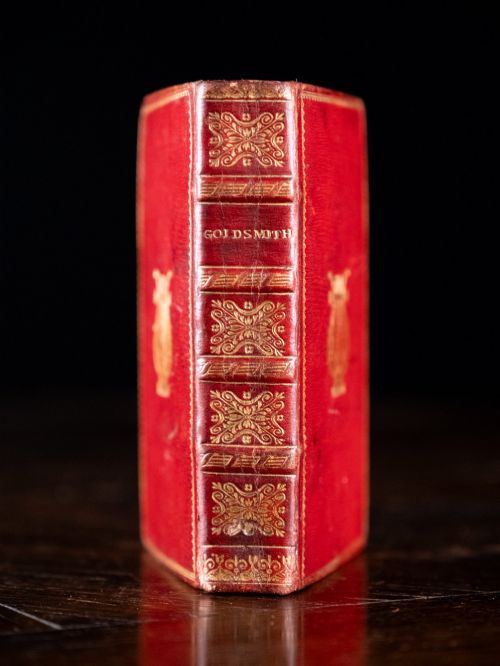
The construction relies heavily on organic materials, incorporating calfskin leather for the exterior covers alongside traditional paper and marbled paper for internal leaves. Bindings frequently feature applied gold leaf for titling and ornamentation, adding reflective contrast to the darker leather surfaces.
Bookbinders utilised durable stitching and specialised adhesives to secure the paper text blocks within their leather casings. Neoclassical and period stylistic influences guided the exterior tooling and lettering applied to the spines and boards during production.
Retail Price Guide 2026
Typical UK retail prices for leather bound book, calculated from the Sellingantiques database of over a million retail prices indexed since 2003. This retail price guide relies exclusively on Sellingantiques data; no external sources or auction records are used, so the figures do not describe the wider market.
Historical readers sometimes left pressed ferns and handwritten poetry inside the pages.
Distinguishing quality in bindings and texts
Quality separates volumes by the precision of the gold leaf tooling upon the spine and the suppleness of the calfskin leather. Superior examples retain crisp lettering and tight structural integration between the text block and the outer boards.
The presence of decorative marbled paper endpapers and complete plate illustrations enhances the depth of a volume. Fine uniform runs and well-preserved historical bindings distinguish higher-tier decorative editions from standard reading copies.
The Antique Leather Bound Book Glossary
- Calfskin leather
- A fine, smooth leather derived from the hide of a calf, frequently utilised for superior book bindings.
- Gold leaf
- Gold beaten into an extremely thin sheet, applied to spine lettering and cover decorations.
- Marbled paper
- Coloured paper featuring a patterned, multicoloured design resembling marble, commonly used for endpapers.
- Neoclassical
- A style drawing inspiration from classical antiquity, influencing decorative motifs on period bindings.
- Antiquarian books
- Volumes valued for their age, historical significance, or aesthetic qualities rather than purely contemporary utility.
Frequently Asked Questions
How are antique leather bound books dated?
Dating relies primarily on printed title pages, publisher imprints, and historical inscriptions left by previous owners within the volume.
Stylistic indicators such as neoclassical tooling and the specific grain of the calfskin leather also help align the piece with Victorian, Edwardian, or earlier production periods.
Are these books suitable for everyday reading?
While these volumes contain original text and paper, their age requires careful handling to preserve the integrity of the binding and spine.
Many collectors prefer to display them as decorative objects or consult them gently to protect the historical materials from excessive wear.
What subjects appear in these historical editions?
The available volumes cover a diverse range of subjects, including biographies, poetry, literature, and French communion or church services.
This variety reflects the reading habits and cultural interests of households during the nineteenth and early twentieth centuries.
How do French and English bindings differ?
French editions often exhibit distinct decorative runs and specific local publishing styles, such as Parisian imprints from the early nineteenth century.
English volumes from the same eras typically follow London publication traditions, utilising distinct calfskin treatments and titling conventions.