

19th Century Book
A 19th century book and associated library furniture bring period craftsmanship and practicality into a modern interior.
19th Century Book
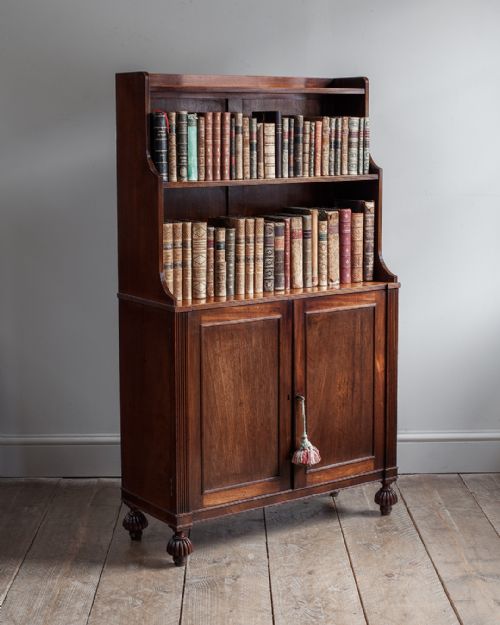
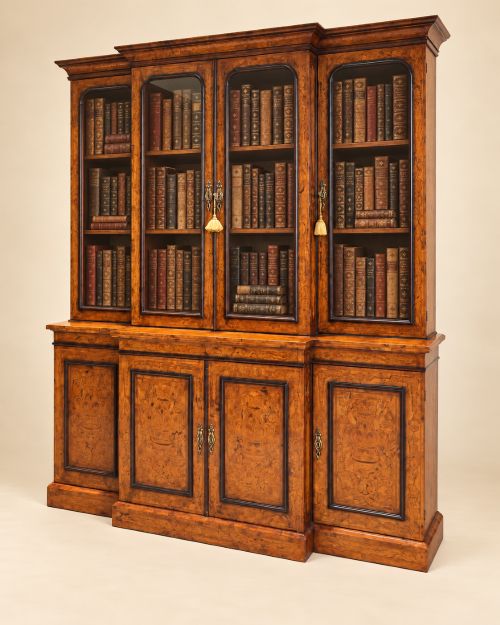
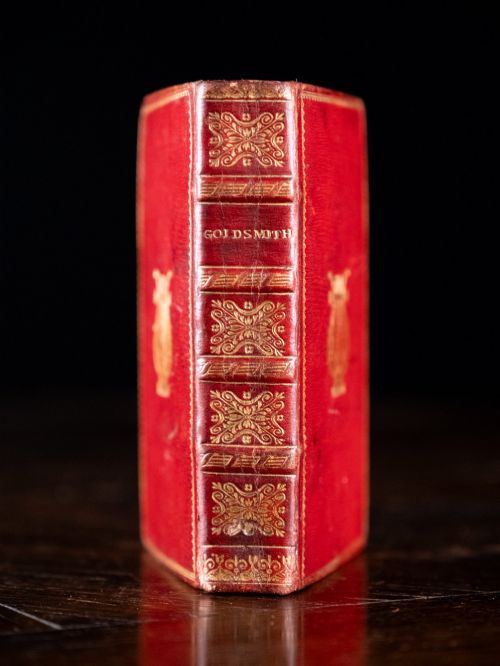
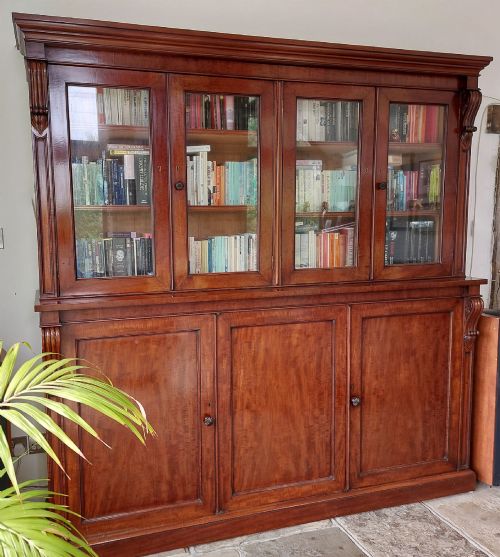
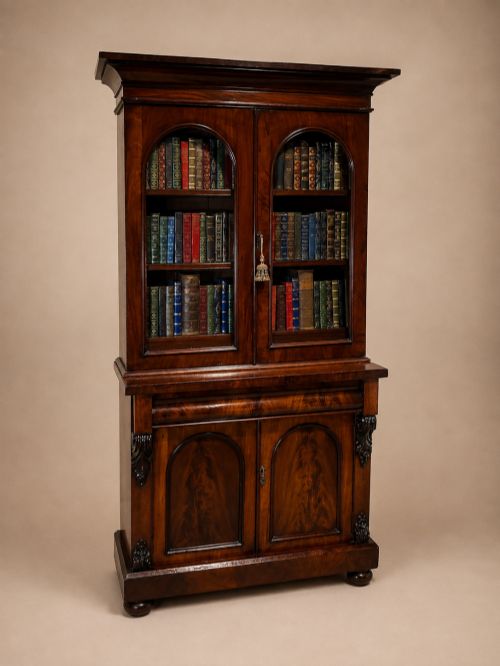
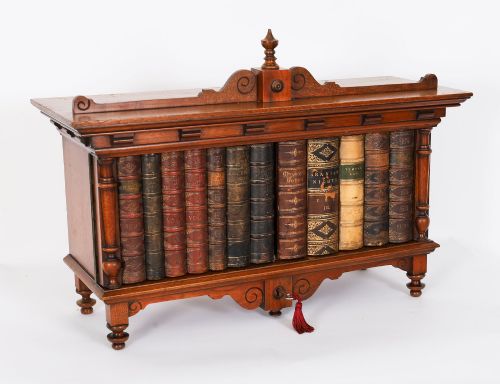
When you search for a 19th century book or related library furnishing, you encounter a varied selection of antique volumes, architectural bookcases, revolving stands, and tiered whatnots. These items originate predominantly from the Regency, William IV, and Victorian eras, reflecting the domestic reading habits of the period.
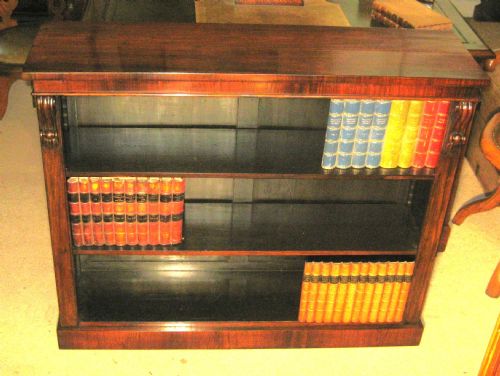
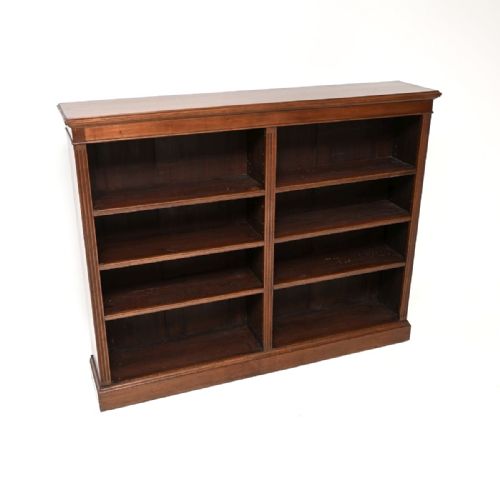
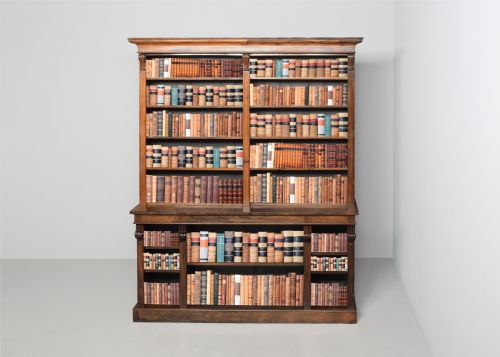
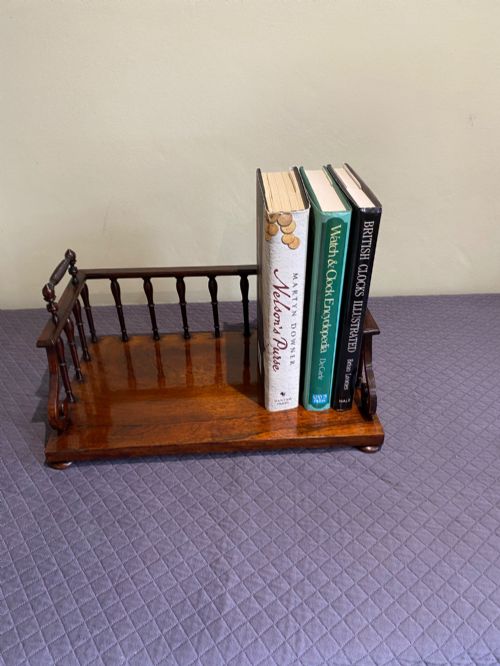
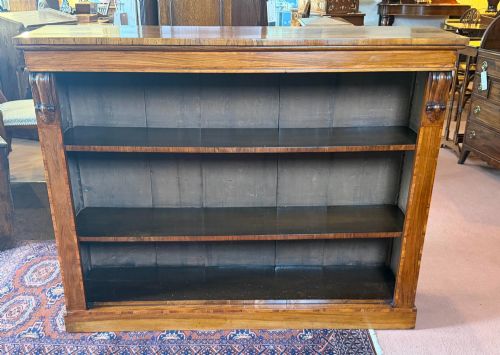
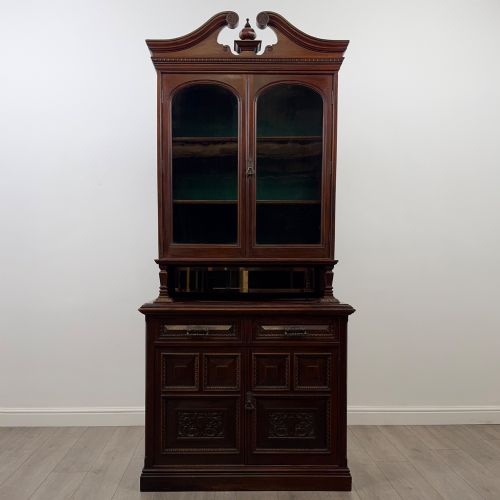
The most common formats on this page include mahogany open bookcases, walnut display cabinets, and smaller tabletop book rests or stands. Larger architectural breakfront libraries and multi-tiered revolving designs also appear alongside individual leather-bound volumes and poetry collections.
Beyond standard shelving, the category extends to specialised reading furniture such as adjustable podiums, library armchairs with integrated stands, and bamboo magazine racks. Each object served a specific function in the Victorian or Regency study, salon, or drawing room.
Indicators of quality
Quality in these pieces rests on the selection of timber, the precision of the cabinet work, and the integrity of the original hardware and mechanisms. Pieces featuring figured timbers, balanced proportions, and careful carving stand apart from utilitarian storage.
The sophistication of internal detailing, such as adjustable wooden shelving systems, fine brass inlays, and well-executed glazing bars, distinguishes workshop production from standard commercial output.
19th Century Book Retail Price Guide 2026
Typical asking prices for 19th century book among the pieces listed under this phrase on Sellingantiques today, from the lower quarter to the upper quarter. They describe what is for sale here now, not the wider market.
Some nineteenth-century readers required rotating bookcases to save them from getting up during heated philosophical debates.
Gillows·James Shoolbred·Trubner and Co
The 19th Century Book Glossary
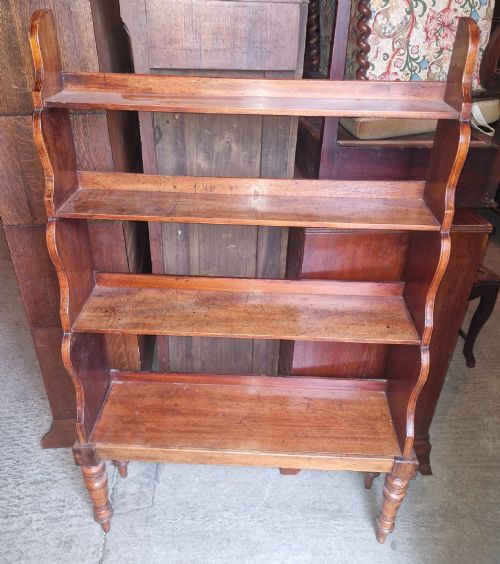
- Waterfall bookcase
- A set of open shelves diminishing in depth from bottom to top, creating a stepped profile.
- Breakfront
- A large piece of furniture where the central section projects forward from the flanking cabinets.
- Revolving bookcase
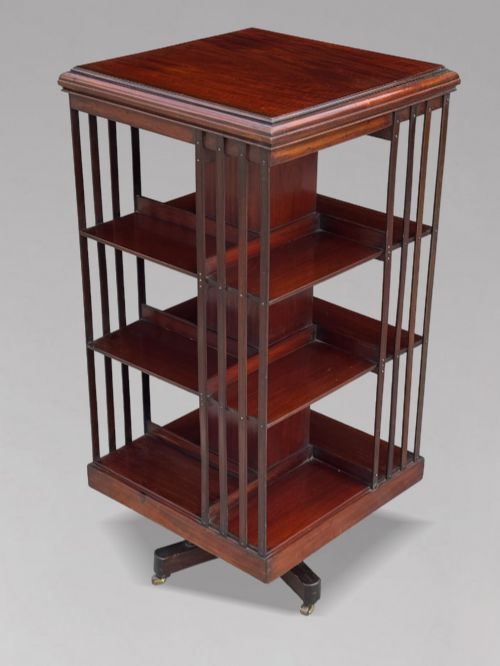
- A freestanding tabletop or floor-standing unit mounted on a pivot mechanism for rotational access to volumes.
- Whatnot
- A multi-tiered set of open shelves used for displaying books and decorative objects.
- Vellum
- A fine parchment prepared from calfskin, frequently utilised for durable book bindings.
19th Century Book: Frequently Asked Questions
How do I identify a Regency bookcase?
Regency bookcases typically exhibit classical proportions, dark mahogany or rosewood timbers, and understated brass mounts. They often feature open shelving or brass gallery rails reflecting early nineteenth-century design.
Later Victorian interpretations tend to be heavier in scale, frequently incorporating carved walnut or oak with more elaborate architectural mouldings.
Were revolving bookcases common in the nineteenth century?
Revolving bookcases gained popularity during the latter half of the nineteenth century as studies and libraries demanded more accessible storage for reference volumes. They utilised concealed ball-bearing or pivot mechanisms beneath small table-top or large floor-standing units.
These pieces allowed readers to access a large collection of books from a seated position without occupying excessive floor space.
How should I care for antique leather and paper?
Antique leather bindings and paper volumes require stable humidity levels away from direct sunlight and heat sources. Gentle dusting with a soft, dry cloth prevents particulate accumulation without introducing moisture.
Avoid chemical cleaning agents on historic bindings and paper to preserve the original material integrity.