

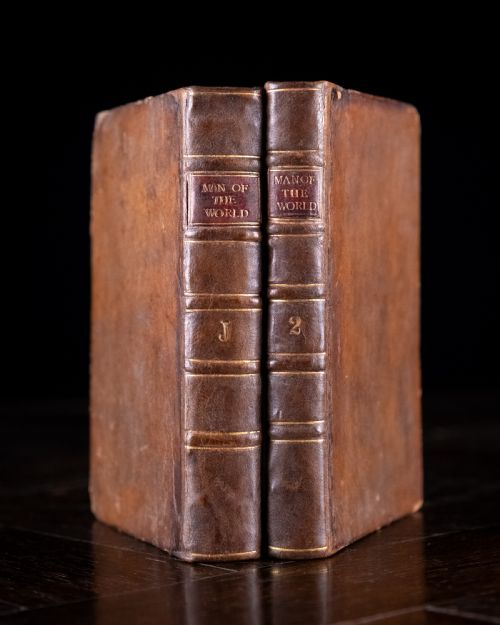


Antiquarian Literature Volume
An antiquarian literature volume brings centuries of history and binding craftsmanship directly to your shelves, offering tangible links to past centuries.
Antiquarian Literature Volume
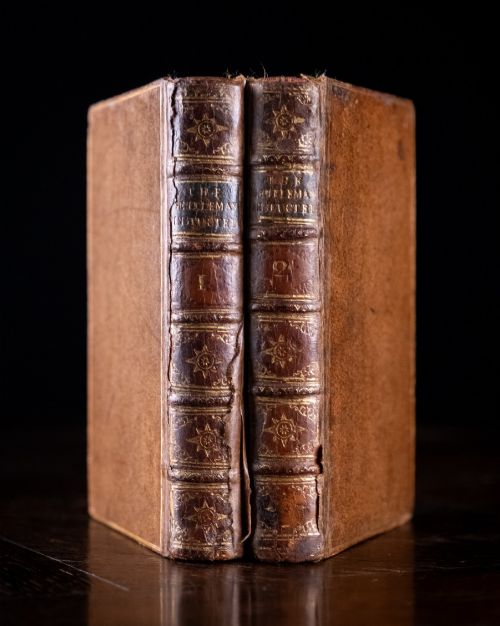
When you search for an antiquarian literature volume, you seek historical books that preserve past writings in bindings forged from paper, leather, and vellum. The pieces gathered here span from the seventeenth century through the Victorian era, encompassing single works and multi-volume sets.
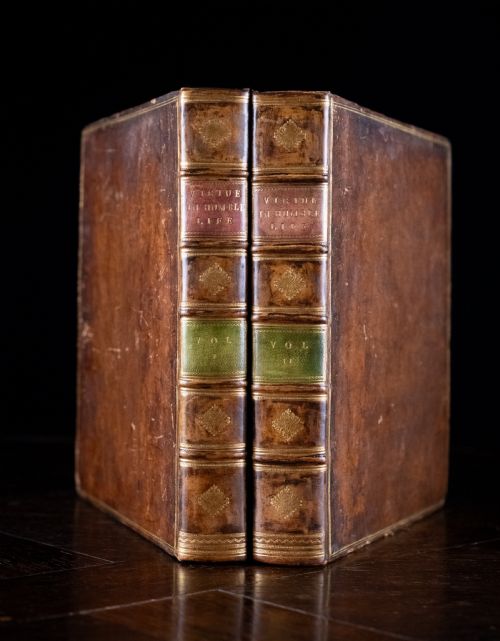
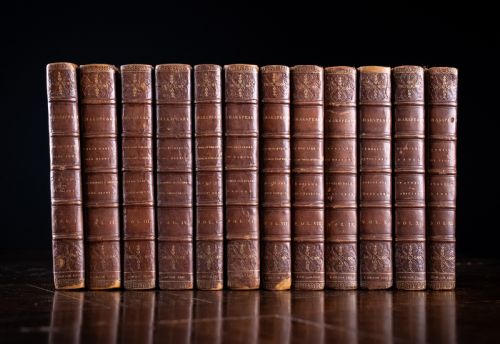
Most items you encounter on this page are eighteenth and nineteenth-century editions, including works by William Shakespeare, Jonas Hanway, and Henry Mackenzie. These volumes reflect the literary tastes of the Georgian and Victorian periods, alongside French language texts and historical works.
Buyers will find individual books alongside complete multi-volume sets, ranging from mid-eighteenth-century philosophical and instructional texts to nineteenth-century travel accounts and drama. Each volume records the physical characteristics of its era through typography, paper quality, and historical rebinding.
Materials and binding techniques
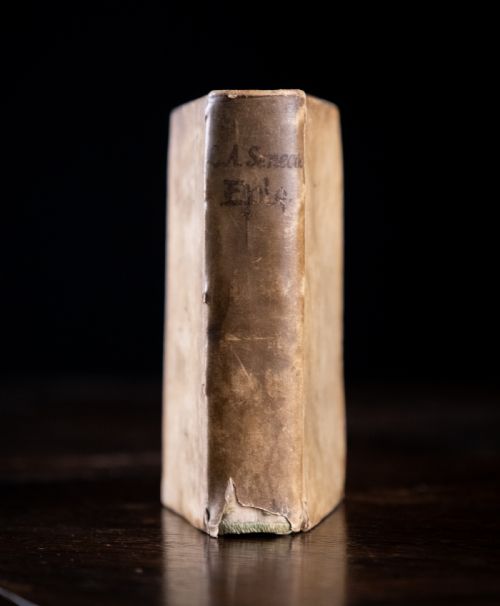
Binders constructed these books using sturdy organic materials such as calfskin leather, calf leather, and vellum over board cores. Printers pressed text onto handmade paper stocks, sometimes incorporating marbled paper for endpapers and accents.
Finishing techniques frequently involved the application of gold leaf to spine tooling and lettering, creating enduring titles and decorative bands. These traditional methods ensure the physical survival of texts across hundreds of years.
Some historical volumes quietly preserve dried botanical specimens pressed between their pages centuries ago by anonymous readers.
Factors influencing quality and preservation
Quality in an antiquarian literature volume rests upon the integrity of the original binding and the preservation of the text block. Books retaining their contemporary calfskin or vellum bindings demonstrate higher structural integrity than those rebound in later periods.
The clarity of the typography, the completeness of multi-volume sets, and the crisp application of gold leaf tooling distinguish superior examples. Condition issues such as leather degradation or paper loss directly impact the physical stability of the volume.
The Antiquarian Literature Volume Glossary
- Vellum
- A fine parchment prepared from calfskin, utilised for durable historical book bindings. It offers a smooth, pale surface that resists wear over centuries.
- Calfskin
- A soft yet resilient leather derived from the skin of a calf, commonly employed for nineteenth-century and Georgian book bindings. It accepts tooling and gold leaf application exceptionally well.
- Marbled paper
- Decorated paper featuring colourful swirling patterns, traditionally used for book endpapers and cover sides. Binders created these designs by floating pigments on a liquid bath before transferring them.
- Tooling
- The decorative impressing of designs and lettering into book leather, often executed using heated metal tools. When combined with gold leaf, this technique creates brilliant spine lettering.
- Text block
- The assembled and sewn pages of a book before the outer covers are attached. Its sewing structure determines how flat the volume opens.
Antiquarian Literature Volume: Frequently Asked Questions
How do I care for leather bound books?
Keep antiquarian volumes away from direct sunlight and excessive humidity to prevent the leather from drying and cracking.
Ensure adequate air circulation around your shelves and handle the spines with care when removing books.
Are multi-volume sets complete?
Completeness varies by listing, with many offerings presenting full sets such as twelve-volume Shakespeare editions or two-volume novels.
Check the specific title description to confirm the exact number of volumes included in the set.
What is the difference between calfskin and vellum?
Calfskin is a tanned leather offering flexibility and rich texture, while vellum is an untanned animal skin known for its stiffness and durability.
Vellum bindings often appear on earlier European works, whereas calfskin predominates in eighteenth and nineteenth-century British publishing.
How can I tell the age of a volume?
Look for printed publication dates on the title page, alongside typographic styles and paper characteristics typical of specific centuries.
Contemporary bindings and historical inscriptions also provide reliable clues to a book's true age.